
Brazil’s Senate halted a plan that would have forced secret votes before investigating or arresting federal lawmakers. The Constitution and Justice Committee rejected the “Shielding” amendment unanimously, 26–0, restoring transparency and equal rule of law.
Just days earlier, the lower house approved the amendment, reviving a privilege scrapped in 2001. That old system blocked almost 300 investigations, allowing figures like Deputy Hildebrando Pascoal to avoid charges.

Lawmakers aimed to shield themselves again, extend special judicial rights to party leaders, and turn inviolability into absolute immunity.
A leading analytics firm tracked more than two million social-media mentions in four days. Analysts found 83 percent negative sentiment and an average reach of 44 million profiles per hour. Outrage peaked as users blamed the Chamber president for pushing the bill.
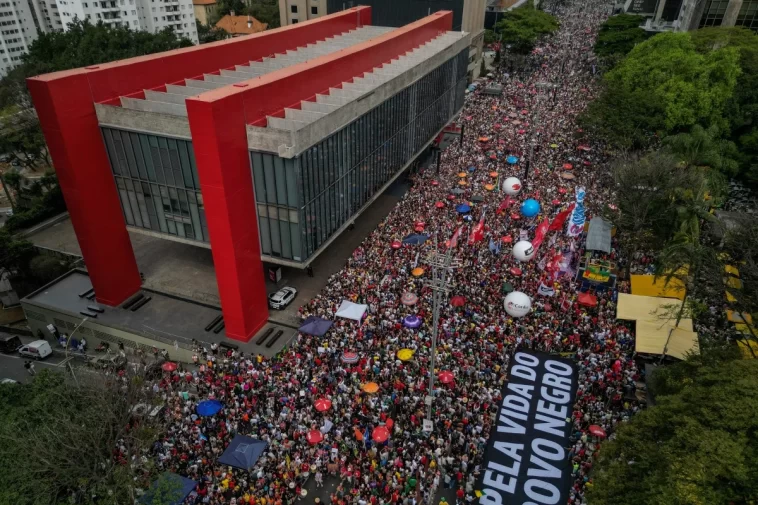
Protests erupted in over 30 cities, from Brasília to Rio de Janeiro. Thousands filled public squares and musicians led concerts on Copacabana beach. Citizens demanded that lawmakers face the same laws as everyone else.
 Unanimous Rejection: How Brazilians Defeated Lawmaker Immunity. (Photo Internet reproduction)
Under intense pressure, some deputies and senators reversed their support. They cited poor information but faced looming elections. Senators argued that shielding politicians would erode public trust and weaken democratic checks.
This episode exposed a battle between legislative privilege and judicial oversight. Critics warn that organized-crime networks could exploit any broadened immunity to infiltrate politics.
Brazil’s citizens proved their power to defend democracy. They reminded lawmakers that no one stands above the law. Now, watchdog groups plan to hold amendment sponsors accountable and push for stronger safeguards against future immunity schemes.



GIPHY App Key not set. Please check settings