
This report provides a concise overview of the most significant religious and Christian developments worldwide for the period of September 22–25, 2025.
Ranked by significance to global Christianity, based on potential impacts to faith communities, persecution risks, church unity, and involvement of major denominations or leaders.

It highlights major global events—including new state restrictions, church–state clashes, ecumenical initiatives, and humanitarian appeals—as well as governance, accountability, and formation efforts shaping Christian witness.
Designed for faith leaders, analysts, and readers seeking a clear understanding of current religious trends, this summary delivers timely insights into a rapidly changing landscape.
1. UN experts detail Nicaragua’s transnational repression affecting church voices
A UN report says the Ortega government is extending surveillance and intimidation of exiles abroad, part of a broader campaign that has also targeted Catholic institutions and clergy since 2018. The findings underscore risks for Nicaraguan Christian leaders in diaspora networks.
Summary: Internationalized repression complicates church advocacy and pastoral support for Nicaraguan Catholics.
Why it matters: Cross-border targeting chills religious speech and raises protection needs for clergy and lay workers abroad.
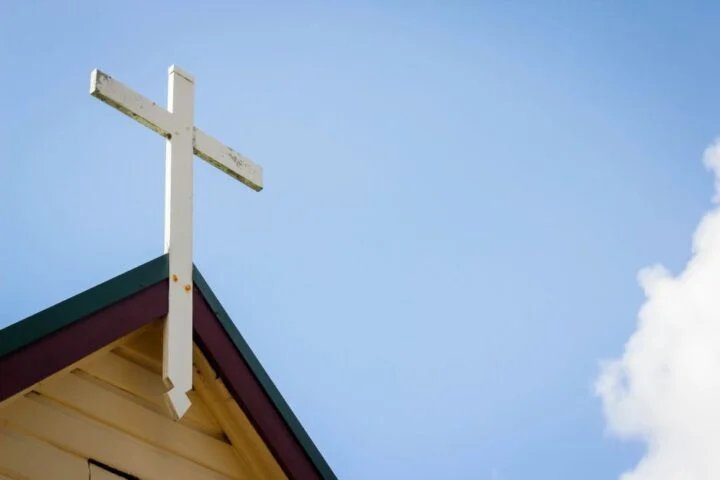
 10 Key Religious and Christian Developments (September 22–25, 2025). (Photo Internet reproduction)
2. China: mass detentions in eastern provinces amid church crackdown
More than 70 Christians were reportedly detained or interrogated in a coordinated police sweep against unregistered congregations in east China; a prominent digital-persecution case figure is reported missing.
Summary: Authorities intensified pressure on house churches with large-scale arrests.
Why it matters: Expanding enforcement tightens space for worship, discipleship, and leadership training.
3. US bishops express solidarity with Africa’s church in conflict zones
The USCCB’s international justice chair reaffirmed solidarity with African bishops and faithful facing violence and instability, urging prayer and concrete support.
Summary: A major episcopal conference spotlights Africa’s crises and the church’s witness.
Why it matters: Public alignment can mobilize US diocesan resources and policy engagement for African partners.
4. After ICE-facility shooting, US bishops and officials call for prayer, de-escalation
Following a deadly attack at a Dallas ICE facility, Catholic leaders and politicians urged prayer and an end to political violence, highlighting pastoral care for victims and communities.
Summary: Church leaders respond pastorally to a high-profile act of violence.
Why it matters: Faith voices shape civic discourse on dignity, public safety, and nonviolence.
5. Study raises concerns over psychological screening of priesthood candidates
A new study flagged gaps in evaluations used by dioceses and seminaries, prompting discussion about best practices for formation and safeguarding.
Summary: Formation protocols face scrutiny as dioceses review assessment standards.
Why it matters: Stronger screening can enhance vocation health, prevention, and public trust.
6. Holy See at UN: defend women’s equality without “false solutions”
At the UN, the Vatican’s foreign minister reiterated support for women’s dignity while rejecting abortion as a proposed remedy to inequality, outlining areas for constructive cooperation.
Summary: The Holy See positions pro-life advocacy within a broader women’s-rights agenda.
Why it matters: The stance shapes Catholic engagement in multilateral policy debates.
7. UK faith leaders issue joint statement on common good
Senior Christian and other faith leaders in Britain released a shared message on social cohesion and moral foundations for the public square.
Summary: Cross-denominational cooperation emphasizes faith’s role in national well-being.
Why it matters: Unified witness can increase credibility with policymakers and the public.
8. International Lutheran Council adopts statements on Nicene Creed and unity
At its world conference in the Philippines, the ILC approved doctrinal and unity texts, reaffirming confessional commitments amid global ecumenical conversations.
Summary: Lutheran leaders consolidate theological positions for member churches worldwide.
Why it matters: Clear confessional markers guide catechesis, mission, and ecumenical engagement.
9. World Council of Churches highlights protection of children in war
The WCC urged churches and states to address root causes of conflict that harm children, tying advocacy to commemorations and ongoing peace efforts.
Summary: Ecumenical bodies elevate child protection as a gospel imperative in conflict settings.
Why it matters: Coordinated advocacy can unlock humanitarian access and influence policy.
10. South Sudan Council of Churches pleads for dialogue and peace
Amid stalled implementation of the Revitalized Peace Agreement, the SSCC appealed for renewed talks and reconciliation, warning of a perilous national crossroads.
Summary: Churches act as moral brokers in a fragile peace process.
Why it matters: Faith-led mediation remains pivotal for stability and protection of vulnerable communities.



GIPHY App Key not set. Please check settings