
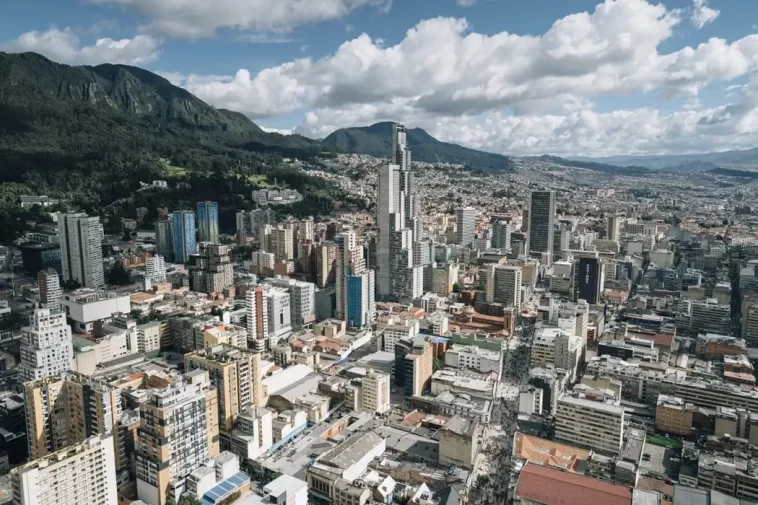
The latest cross-city snapshot puts Montevideo at the top of Latin America’s housing market by average asking price per square meter ($3,209), followed by Mexico City ($2,909), Monterrey ($2,787), Guadalajara ($2,717), and Buenos Aires ($2,622).
At the other end, Quito sits lowest ($1,200), with Rosario ($1,733), Córdoba ($1,750), Panama City ($1,881), and Lima ($2,243) among the more affordable large markets.

Prices are quoted in dollars because most listings across the region are dollarized, which lets us compare cities on the same scale. Two quick takeaways from the ranking itself.
First, Buenos Aires isn’t overheating; its dollar price rose only modestly since March, so its fifth-place finish signals steadiness more than a surge.
Second, Brazil’s giants—São Paulo and Rio—moved up briskly this year but still sit just outside the top five; their vast supply pipelines and larger footprints pull down average price-per-meter readings even as premium neighborhoods command strong values.
 Latin America’s Housing Price Map: Who’s Most Expensive, Who’s Not—And Why Mexico Packs The Top Five. (Photo Internet reproduction)
The deeper story is why three Mexican (and non-Brazilian) cities crowd the top tier. Three forces are working in tandem. Industry-led growth. Mexico’s big metros are plugged into North American supply chains.
Mexico’s housing thrives on jobs and predictability
Manufacturing, logistics, and tech investment concentrate jobs and higher wages around Monterrey’s industrial belt, Guadalajara’s tech corridor, and Mexico City’s service and corporate core.
Those paychecks translate into real purchasing power and steady demand for well-located homes. Thick buyer demand. Formal employment and broad access to mortgages support predictable absorption of new projects.
Remittance-supported households add to down-payment capacity, widening the pool of qualified buyers beyond a handful of speculators. Rules that reward planning.
Where permits are clearer, contracts hold, and policies change gradually, developers accept lower risk premiums and lenders price credit with confidence.
That means project pipelines keep moving—even when costs rise—so markets can expand without chaos. In places prone to abrupt controls or tax swings, projects stall, choice shrinks, and families face higher hurdles.
Why this matters for expats and investors: the top-five list is a shortcut to a city’s operating climate.
Expect
firmer prices near job hubs, transit, and good schools in Mexico’s trio;
selective buys and patient renting can make sense in Buenos Aires; and
In Brazil’s largest metros, depth of supply can temper price-per-meter averages while still offering prime pockets of value. In regional housing, trust and predictability remain the quiet premium.
Five Most Expensive Cities
City
Price per m²
Montevideo
$3,209
Mexico City
$2,909
Monterrey
$2,787
Guadalajara
$2,717
Buenos Aires
$2,622
Cities with Lowest Prices in the Region
City
Price per m²
Quito
$1,200
Córdoba
$1,750
Rosario
$1,733
Panama City
$1,881
Lima
$2,243




GIPHY App Key not set. Please check settings