
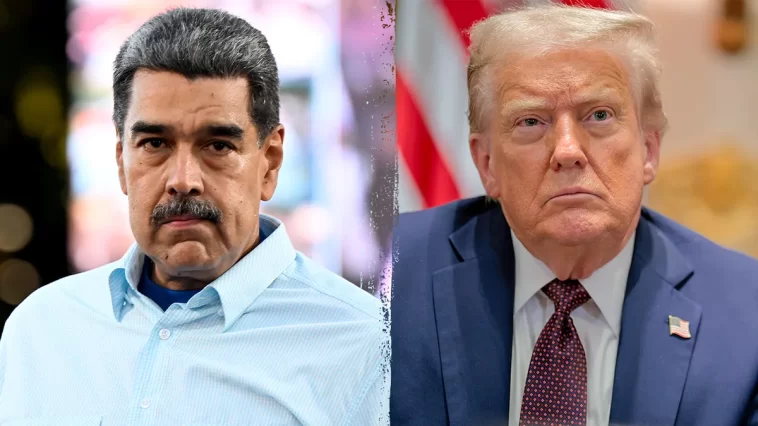
Donald Trump is weighing a direct phone call with Venezuela’s Nicolás Maduro just as a shadow war unfolds across the Caribbean.
No date is set, but the goal is to see whether a negotiated exit from the crisis is still possible before the United States slides into open conflict with a regime Washington now brands “narco-terrorist.”

Since early September, the Pentagon’s “Lanza del Sur” operation has sent warships, aircraft and drones to hunt the boats that ferry cocaine north.
U.S. forces say they have struck at least 21 vessels and killed more than 80 suspected traffickers. Rights groups and several Latin American leaders argue that many of these strikes look less like policing and more like summary executions, carried out far from cameras or courts.
At the legal level, Washington has escalated too. The so-called Cartel of the Suns – a loose label for Venezuelan officials and officers accused of using state structures to move drugs – has been placed on the U.S. list of foreign terrorist organizations, with Maduro described as its de facto leader.
 Trump’s Planned Call To Maduro Amid U.S. Strikes On Venezuelan Drug Routes. (Photo Internet reproduction)
That designation frees the White House to use the tools of counter-terrorism, not just counter-narcotics, and to press allies to fall into line.
Rising Risks in U.S.-Venezuela Standoff
Trump has also quietly given the CIA new authority to run covert operations inside Venezuela, even as he flirts in public with the idea of talks.
In back-channel contacts, Maduro has reportedly floated leaving power in a few years, only to see U.S. officials dismiss that offer as a stalling tactic from an entrenched strongman.
Three points matter. First, the risk of miscalculation is rising as an aircraft carrier, thousands of U.S. troops and a cornered Venezuelan leadership share the same waters; much of that firepower is staged through Puerto Rico, where memories of past U.S. training ranges fuel unease.
Second, redefining parts of a foreign government as “terrorist” lowers the threshold for force in future crises.
Third, the way this confrontation is handled will show whether Washington still prefers clear rules and institutions – or is drifting toward a more improvised, personality-driven foreign policy in its own backyard.




GIPHY App Key not set. Please check settings