
Raízen is supposed to be one of Brazil’s showcase “green energy” stories. It is a joint venture between Shell and Cosan, built on vast sugarcane fields, ethanol plants and fuel stations that stretch across the country.
On paper, it links climate-friendly fuel, big global capital and Brazil’s natural advantages. But Moody’s latest move shows another side of the story: the numbers no longer add up. The rating agency has cut Raízen’s debt to “junk” level and warned that more downgrades may follow.

For non-specialists, that means this: Raízen borrowed heavily to grow fast and now struggles to pay for that ambition. The company carries a very large pile of debt and, after recent weak results, is not generating enough spare cash to make investors feel safe.
Its business also depends on things nobody controls. Sugar and ethanol prices swing. Weather can destroy a harvest. When that happens, mills still need maintenance, fields still need replanting, workers still need to be paid.
The downgrade does not mean Raízen will fail. It means the margin for error is thin. Management has already started to cut costs, delay investments and sell non-core assets to reduce debt.
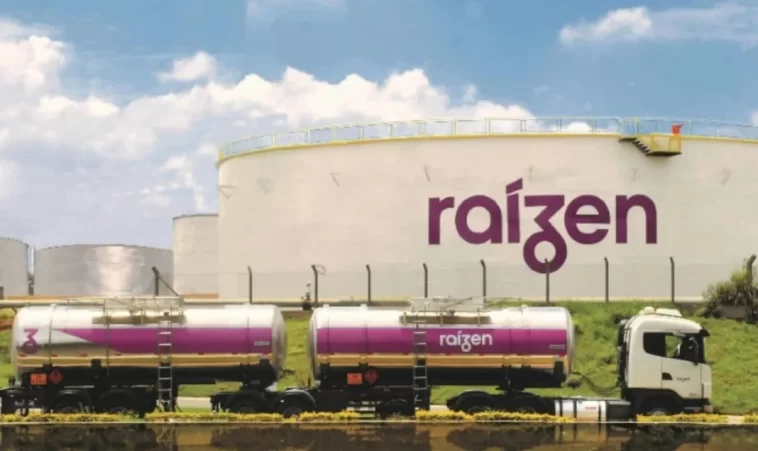
 Junk Rating For Raízen Sends A Warning Signal On Brazil’s Energy Transition. (Photo Internet reproduction)
Shareholders Shell and Cosan are under pressure to inject fresh capital and show that they still believe in the project.
Raízen’s Debt Woes Test Brazil’s Green Ambitions
There has been talk of bringing in a new partner, but potential state-linked investors keep a cautious distance, aware that stepping in would also mean taking on a large, complex risk.
The case matters beyond one stock ticker. It is a real-time test of whether Brazil’s energy transition is being funded with discipline or with wishful thinking.
A junk rating can make borrowing more expensive, push some funds to dump Raízen’s bonds and tighten credit for farmers and suppliers tied to its network.
It also sends a clear message to other ambitious projects in the region. Green labels and big promises are not enough. In the end, investors still demand something very old-fashioned: solid cash flow, clear limits on debt and managers who respect both.




GIPHY App Key not set. Please check settings