
IDC x AC

(Image credit: Android Central)
This is an exclusive column featuring expert analysts from International Data Corporation (IDC)who provide insights into the latest products, news, and more.
The holiday season is here, and while most people are making wish lists filled with gadgets, I have just one request: Google, please give us a Fitbit smart ring. We know you’re launching new Fitbit hardware in 2026, but for my sake, and for the millions of health-conscious consumers who crave simplicity, style, and cutting-edge tracking, please let that hardware be a smart ring.
The form factor perfectly aligns with Fitbit’s DNA: long battery life, accurate tracking, and simplicity. These are the pillars that made Fitbit a household name. While smartwatches have become feature-packed mini-computers, many consumers still crave a device that “just works” without constant charging or complicated interfaces. A ring delivers that promise.
Unlike a wristband or watch, a ring sits stationary on the finger, offering superior conditions for heart rate and other biometric measurements. Less movement means more accurate readings, a critical differentiator in a market where precision matters. Rings also feel less intrusive, blending seamlessly into daily life. For the simplicity-loving Fitbit user, this is a dream come true.
You may like
Today’s best smart ring deals
A premium play in a K-shaped economy
(Image credit: Android Central)
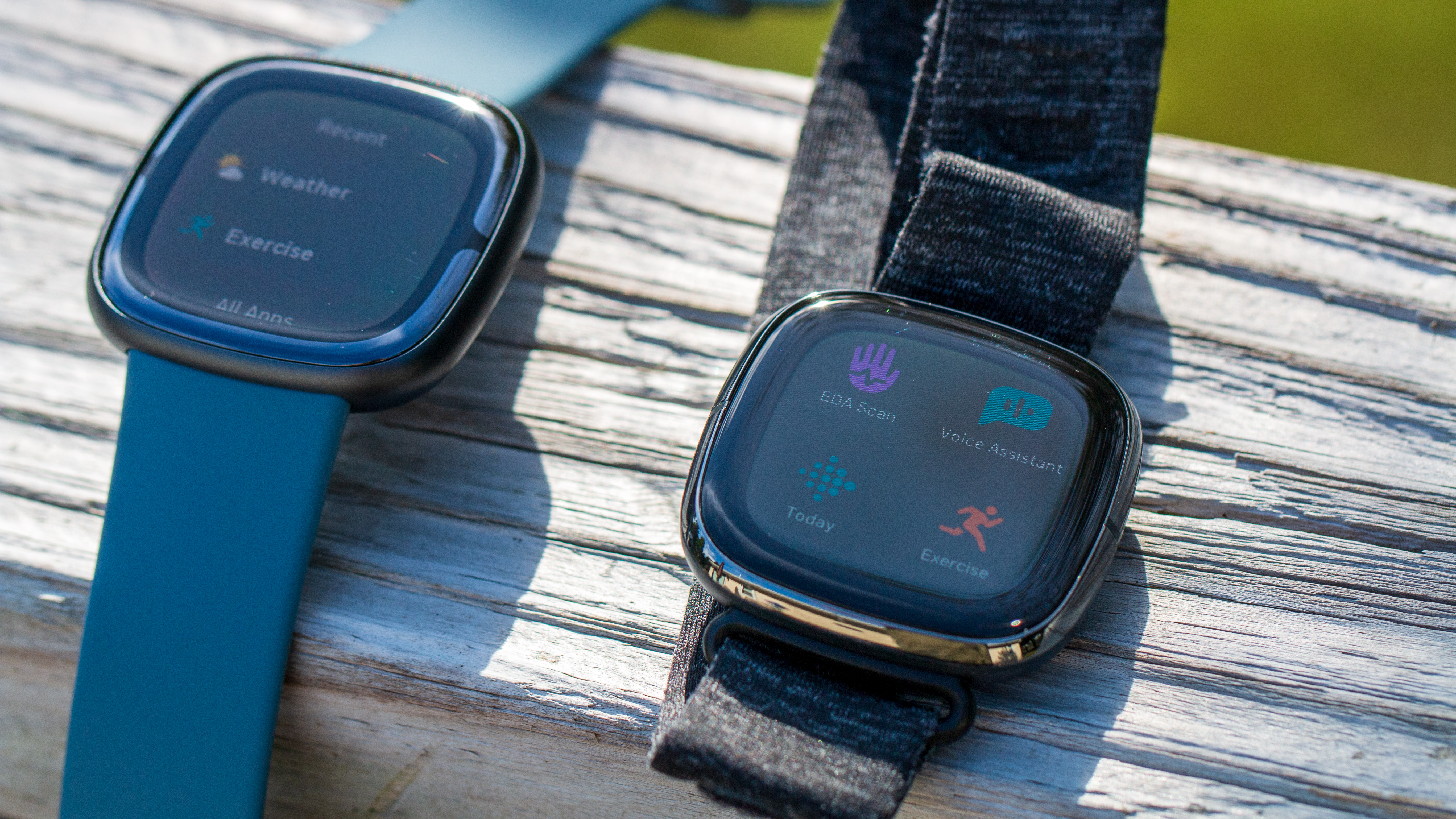
Here’s the hard truth: Fitbit was once a premium product, but today it’s largely catering towards the mid-market and value-conscious customers. That segment is under pressure. As we head into 2026, macroeconomic trends point to a K-shaped recovery, where affluent consumers continue to spend while value buyers tighten their belts. Your current lineup caters to the latter, which is a risky bet.
Smart rings, on the other hand, command higher average selling prices (ASP). This is your chance to move Fitbit upstream, reclaim its premium status, and tap into a segment that’s resilient and aspirational. Think of the consumer who wears a luxury watch but still slips on an Oura Ring because health matters. Fitbit deserves to be in that conversation.
Market signals
Consider the numbers: Oura has shipped 5.5 million rings in its lifetime with virtually no serious competition. Ultrahuman? Roughly 1 million. Samsung? Under 500,000. Meanwhile, Fitbit — despite aging hardware — shipped over 2 million devices in the first three quarters of 2025, according to IDC. At its peak, Fitbit moved tens of millions annually. With Google’s reach, that scale is achievable again — if you let Fitbit stretch its wings.
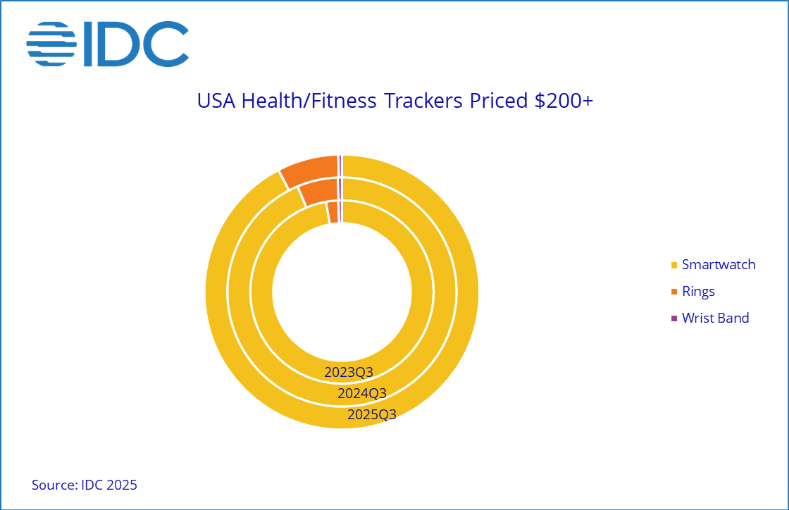
And the trend is undeniable. Rings are gaining traction in the U.S. health and fitness tracker market with an ASP of over $200. Just look at the chart below:
(Image credit: IDC)
Notice how the orange slice representing rings has grown steadily from 2023 to 2025. This isn’t a fad; it’s a shift.
Corporate wellness: Fitbit’s secret weapon
Fitbit pioneered corporate wellness programs, partnering with insurers and employers to integrate health tracking into benefits packages. Oura has also capitalized on this playbook, but Fitbit wrote it first. A smart ring would supercharge Fitbit’s ability to re-enter this lucrative segment, offering a discreet, stylish device that employees actually want to wear.
Fashion meets function
Health tech is no longer just about utility; it’s about identity. Consumers flaunt luxury watches and designer clothes, yet they still seek cutting-edge health insights — that market is currently served by the likes of Oura and Whoop. But a Fitbit ring bridges that gap, elevating the brand into a space where fashion and wellness intersect. Done right, this product could sit comfortably next to a Cartier bracelet or a Rolex watch.
XR: The hidden opportunity
(Image credit: Michael Hicks / Android Central)
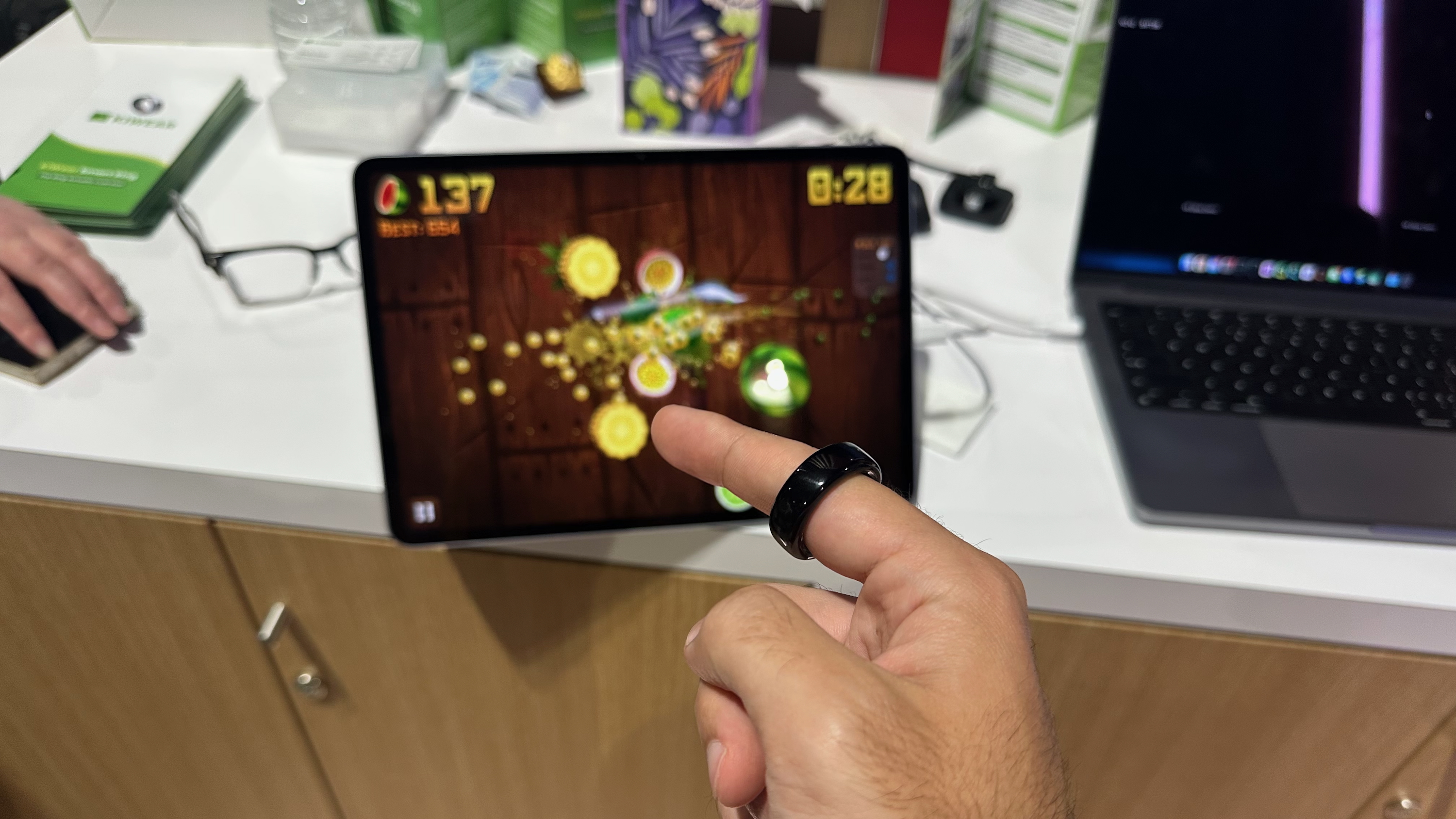
The smart ring isn’t just about health; it’s about the future of interaction. With Android XR glasses and headsets expected in 2026 and beyond, the ring form factor is perfectly poised to become a discreet, intuitive input method.
Remember Focals by North, one of Google’s own acquisitions? They used a ring as a controller, and it was brilliant. Other brands have since replicated this approach, proving its viability. A Fitbit ring could serve double duty: health tracker and XR controller, making it indispensable in Google’s ecosystem.
Why Google needs this win
Let’s be honest: Google’s hardware ambitions have been uneven. Pixel phones are gaining traction, but wearables remain a battleground dominated by Apple and Samsung. A Fitbit smart ring isn’t just another SKU — it’s a statement. It says Google understands where the market is headed and is willing to lead, not follow.
And let’s not forget, Valentine’s Day is not far off. What better time to seal the deal with Fitbit fans than by launching a product that symbolizes commitment to health and wellness? A ring isn’t just a device; it’s a statement. Imagine the marketing possibilities: “Show your heart some love.” It practically writes itself.
About IDC
IDC is a leading global provider of technology research, insights, and events. With a network of more than 1,000 analysts across over 100 countries, IDC delivers trusted intelligence on tech markets, trends, and opportunities to help businesses and IT leaders make informed decisions. Learn more today at IDC.com




GIPHY App Key not set. Please check settings