
Key Points
1. Bolivia’s once-stable prices have jumped to nearly 20% inflation this year, after more than a decade of calm.
2. A model built on cheap fuel, strict controls and a frozen exchange rate is cracking as gas money dries up.

3. Without clearer rules and tighter budgets, Bolivia risks lasting inflation, shortages and falling investment.
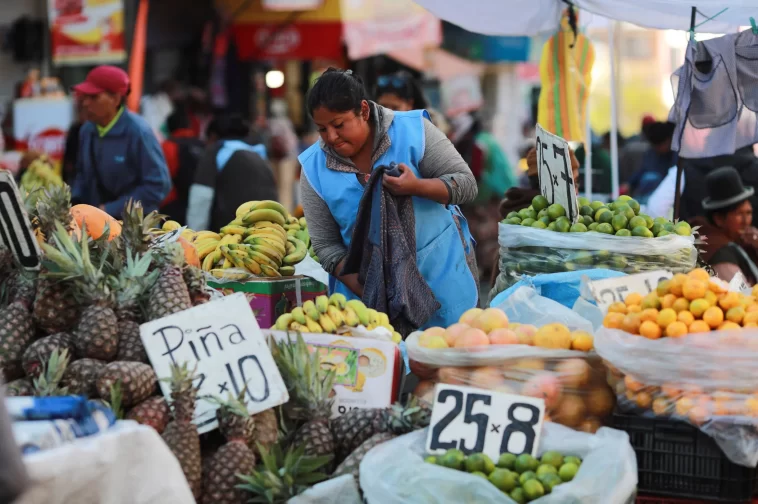
Bolivia has slipped into one of the worst price shocks in its recent history. After years when inflation rarely crossed 5% a year, consumer prices so far in 2025 are up close to 20%.
For families who built their lives on the promise of cheap food and fuel, it feels like the ground has moved.
To understand what is happening now, look at what came before. During the gas boom, the state earned large export revenues and used them to freeze the exchange rate, subsidise petrol and diesel, and keep a tight grip on key food prices.
The formula looked like a success story: stable prices, a calm currency and the feeling that the country had escaped the wild swings seen elsewhere in the region.
 Bolivia’s 20% Inflation Shock: How Cheap Fuel Politics Finally Broke The Model
Bolivia’s 20% Inflation Shock: How Cheap Fuel Politics Finally Broke The Model
Then the bill arrived. Gas production started to fall, export income shrank and international reserves dropped from comfortable levels to under three billion dollars.
At the same time, the government had to import more fuel at world prices but sell it cheaply at home. A growing gap opened between official prices and economic reality.
That gap now shows up everywhere. A parallel exchange rate offers more bolivianos per dollar than the official one.
Importers complain their costs have jumped. Fuel queues, protests by transport workers and reports of smuggling across borders all tell the same story: a system that no longer adds up.
For investors and neighbours, this is more than a domestic headache. A country that once looked predictable is now struggling to finance itself, honour fuel deliveries and reassure savers.
The new authorities have begun to adjust subsidies and send more market-friendly signals, but the room for mistakes is small.
The choice facing Bolivia is whether to rebuild a rules-based, sustainable economy now, or slide into a slow erosion of purchasing power, trust and opportunity.



GIPHY App Key not set. Please check settings