
Key Points
Ecuador’s central bank chief quit more than a year before his fixed, supposedly apolitical term ended.
His tenure focused on protecting dollarization with higher reserves, cleaner governance and modern payment systems.
An interim insider now holds the fort as politicians gain more say over who runs the bank.
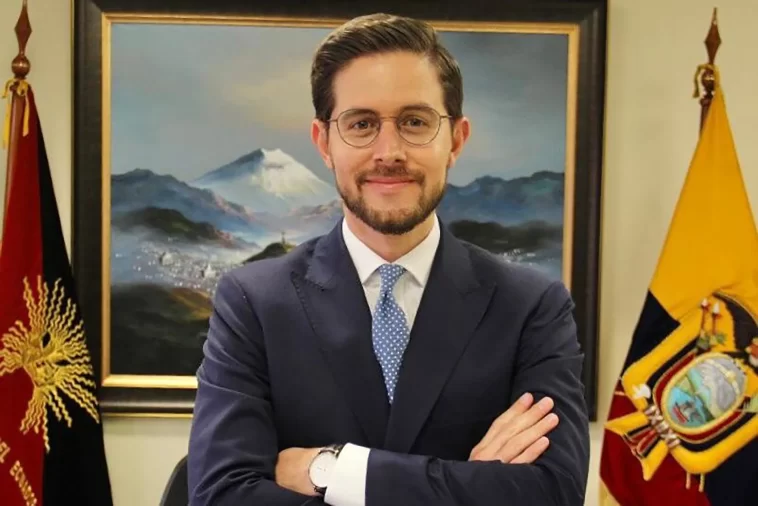
Guillermo Avellán, the 39-year-old head of Ecuador’s Central Bankhas walked away from a job designed to outlast governments.

After four and a half years in the post, he announced on social media that it was time for “new professional challenges” and resigned well before his six-year term was due to expire.
That term was created in 2021, when then-president Guillermo Lasso pushed through reforms to restore the bank’s independence with backing from the IMF.
The idea was simple: lock in long mandates so the person guarding the vault would not change every time politics moved in Quito.
During his tenure, Avellán turned himself into a public defender of Ecuador’s dollarization. He highlighted international reserves of around $8.3 billion, enough to cover deposits that public and private banks hold at the institution.
He backed QR-code payments, pushed efforts to reduce the use of physical cash and promoted anti-bribery standards. Days before leaving, he unveiled a new monthly indicator to show how the real economy is moving in near-real time.
 Ecuador’s Central Bank Exit Puts Dollarization’s Quiet Guardianship To The Test. (Photo Internet reproduction)
He is being replaced on an interim basis by Juan Ponce, a career official who joined the bank in 1988 and knows its plumbing inside out. A new Monetary and Financial Policy and Regulation Board, created by law last year, will now pick a permanent chief.
For outsiders, this may sound like remote technocracy. In a dollarized country, it is not. Since Ecuador scrapped its own currency in 2000, the central bank cannot print money to finance big experiments. Its job is to protect reserves, keep payments working and publish credible data.
If the new leadership keeps that mission intact, this will look like a simple career move. If it opens the door to looser discipline and short-term fixes, Ecuador’s most important economic safety belt could quietly start to fray.




GIPHY App Key not set. Please check settings