
It often takes a while to truly understand the long-term health risks associated with something new. When social media became prevalent on smartphones and in schools, we didn’t know how it would affect young people. Now, it’s clear that social media use does negatively affect kids, with an advisory from the U.S. Surgeon General stating that “types of use and content children and adolescents are exposed to pose mental health concerns.”
Although experts and regulators are beginning to acknowledge that social media use at a young age poses risks, no one can agree on what to do about it. Some countries, like Australia, are enacting outright social media bans. In the U.S., individual states and school districts are banning cell phones in schools while legislators mull what to do at the national level.

You may like
What the research study found
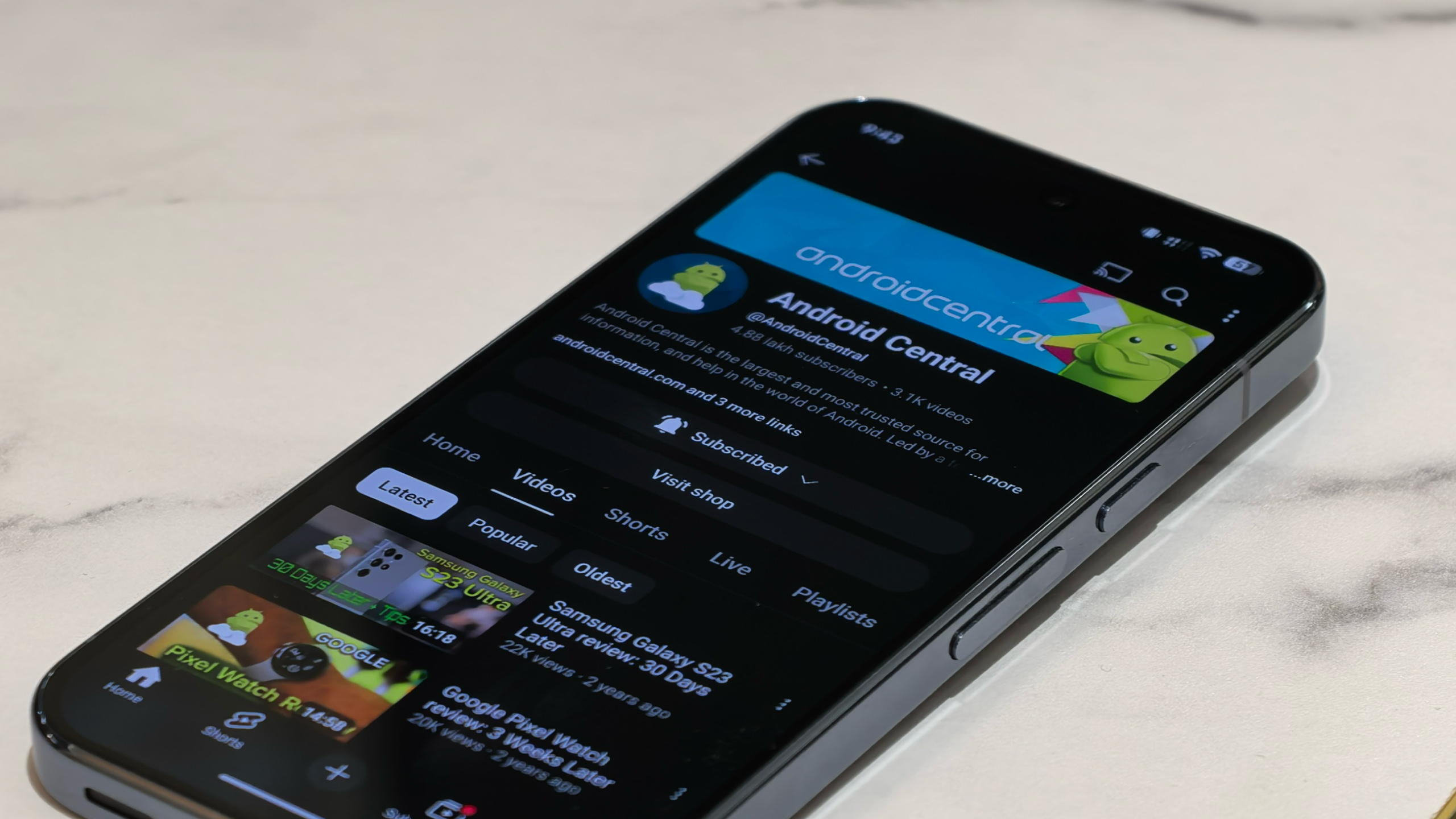
(Image credit: Sanuj Bhatia / Android Central)
Google’s study asked over 7,000 teenagers from across Europe what they want to get out of technology, and what they see as its future. Although the study was commissioned by Google, it was conducted separately by youth consultancy group Livity. It found that most teenagers already use social media and technology for learning. In the case of AI, students think they should be learning more about using it responsibly.
Australia’s social media ban now covers YouTube, posing a problem for teens who have grown up using the platform for learning. The research study found that 74% of polled European teenagers have watched YouTube videos to learn something new for school. On a broader scale, nearly 84% of respondents said they watch educational or how-to videos at least a few times per week, and over a third say they watch these types of videos daily.
The study paints a picture of social media being a genuine learning tool for teenagers, and outright bans remove that element completely. “The point is not that feeds are not without their pitfalls and challenges, but that for the majority of teens, feeds are where they learn,” writes DeMarco, the forensic psychologist who leads the Safer Digital Childhood program for Save The Children. “They are their classrooms, and they are asking for smarter, safer ones.”
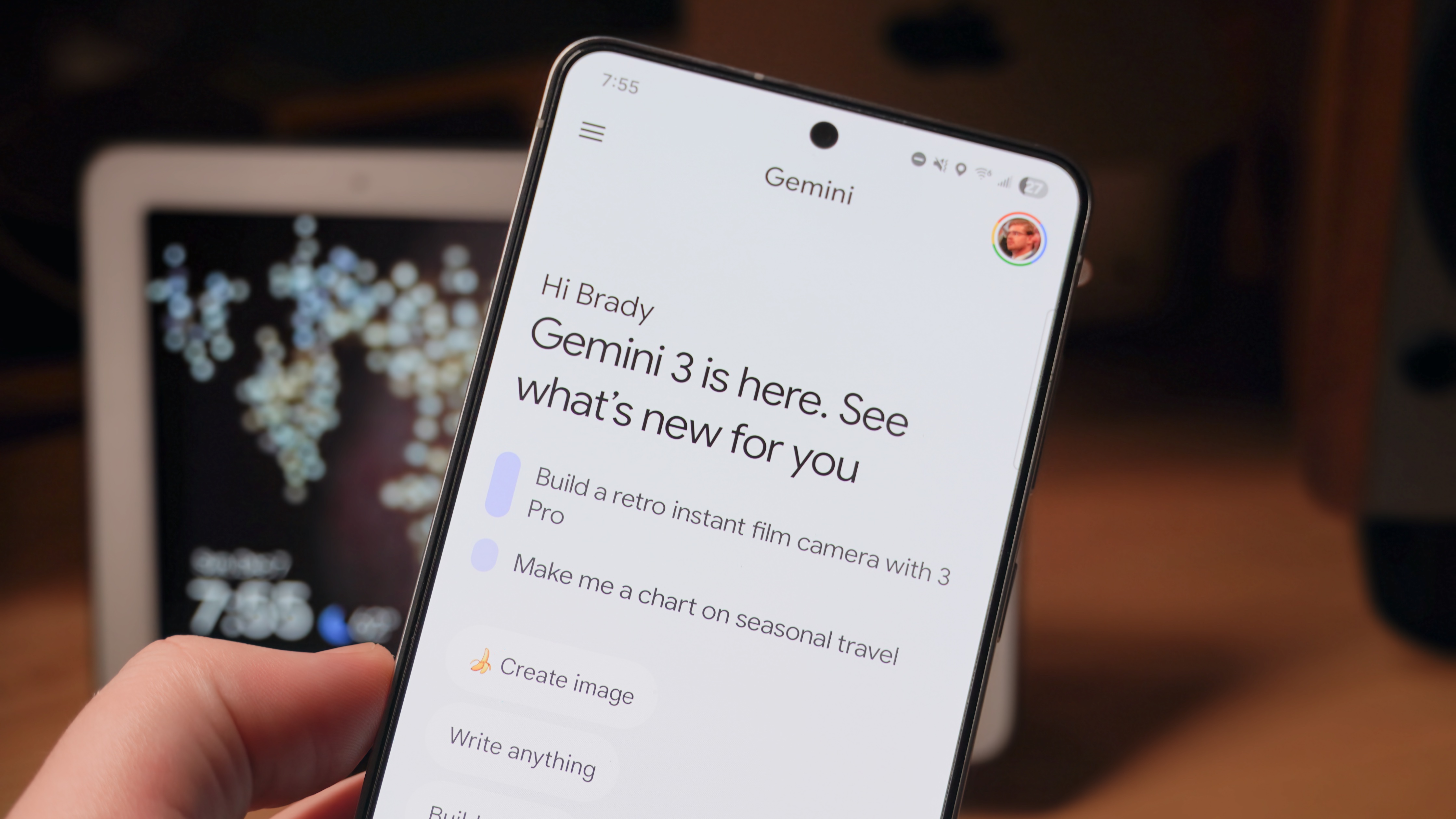
(Image credit: Brady Snyder / Android Central)
If social media is banned and AI use is neglected in schools, kids risk being left behind. The research study revealed that 96% of older European teens used AI in the past year, and 40% of teenagers use it daily or almost daily. Young people are recognizing AI’s value as a learning tool while also recognizing its risks. They’d rather see “clear, age-appropriate guardrails” instead of outright bans.
“That means spelling out what is OK, what is not, how to cite, how to verify,” writes DeMarco. “That is what the teens are implicitly asking for, and the report’s recommendations explicitly call for through curriculum-level AI and media literacy, age-appropriate experiences and harmonized standards that preserve access to information while protecting younger users.”
It’s worth acknowledging that teens may be better at understanding the risks of AI and misinformation than adults. This particular study revealed that 55% of teens consider whether content is trustworthy, and 46% look for multiple sources for verification. Anecdotally, I’ve had to explain to my parents what “parody” accounts are on X and the realism of deepfakes, but the younger people in my life are already tuned into the situation.
Another factor to consider is whether limiting social media and AI use among adolescents could hold them back in the future. In a November 2025 commentary by the Federal Reserve Bank of Clevelandeconomic experts acknowledged “some of the long-standing job market advantages offered by having a college degree may be eroding.” As artificial intelligence continues to impact the job market, recent Bureau of Labor Statistics data reveals that young college graduates are having a harder time finding jobs than those with only a high school degree.
The commentary notes that there are “concerns about AI automation of entry-level positions traditionally filled by college graduates,” underscoring the importance of AI education. Young people need to learn to harness AI as part of their secondary education to make thoughtful decisions about college and their careers.
Ban predatory practices, not the apps themselves

(Shemage of criti: Jasa Bonggollo / Android Center)
Whether we’re discussing social media use or AI use in schools, DeMarco’s analysis of the research study argues “the real work is making those environments safer by default and raising the floor of digital literacy.”
This study shows that young people are optimistic about technology, from social media to AI. Although there are risks associated with these technologies, restricting them entirely is likely not the answer. Instead, we should regulate big tech, ensuring that the companies behind platforms like Instagram and YouTube take steps to protect children and their data.



GIPHY App Key not set. Please check settings