
Key Points
69% say 2026 will be better for them than 2025; 11% expect worse.
60% expect Brazil to improve in 2026, up from 47% previously.
The uplift is strongest among women, lower-income Brazilians, and government supporters.
Brazil is ending 2025 more confident. In a Datafolha survey of 2,002 people aged 16 and older across 113 municipalities, conducted December 2–4, 2025, 69% said 2026 will be better for them personally.

Another 16% said it will be the same, 11% said worse, and 3% did not answer. The margin of error is 2 percentage points. In late 2024, 60% expected their personal situation to improve in the year that became 2025.
Now the share looking ahead to a better 2026 is nine points higher. On Brazil as a whole, 60% think 2026 will be better than 2025, compared with 47% in the earlier reading.
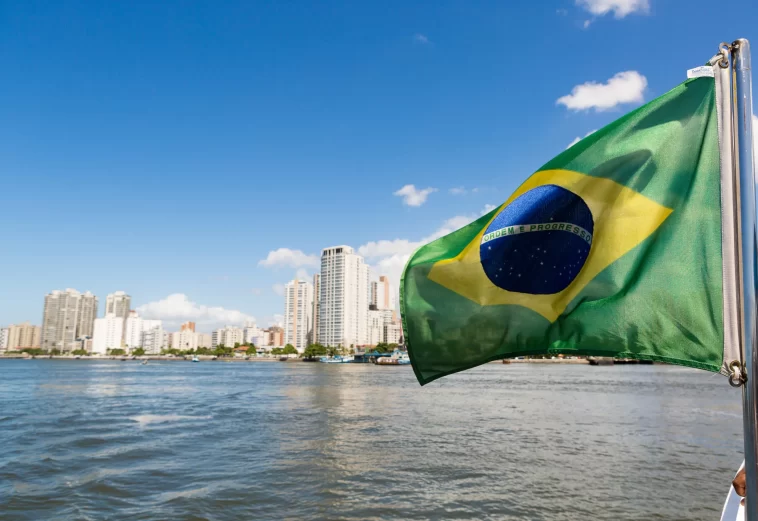
 Brazil’s Mood Brightens Before 2026, And Politics Rushes To Claim It. (Photo Internet reproduction)
Datafolha noted that this confidence matches what it recorded after the 2022 election that returned Luiz Inácio Lula da Silva to office. That backdrop matters because Brazil holds general elections in 2026, and Lula has said he intends to seek re-election.
Confidence Surges Despite Political and Legal Tensions
Outside Brazil, the key question is whether today’s optimism rests on lasting reforms—or on election-season promises that later strain budgets. Women are more optimistic than men (74% versus 65%).
Among those earning up to two minimum wages, 72% expect improvement, versus 61% among those earning more than ten. Regionally, optimism is highest in the Northeast and lowest in the South.
Approval of the government tracks closely with hope. Among those who approve, 79% expect improvement; among those who disapprove, 59% do. Among Lula’s 2022 runoff voters, 78% expect a better 2026, compared with 61% among voters of former president Jair Bolsonaro.
Bolsonaro is serving a 27-year, 3-month sentence linked to an alleged coup-plot case, forcing his camp to reorganize and keeping the election framed as a test of institutions as well as living standards.
Why it matters abroad: shifts in Brazilian confidence can move spending, credit appetite, and investment planning—and affect the currency, rates, and regional business expectations.



GIPHY App Key not set. Please check settings