
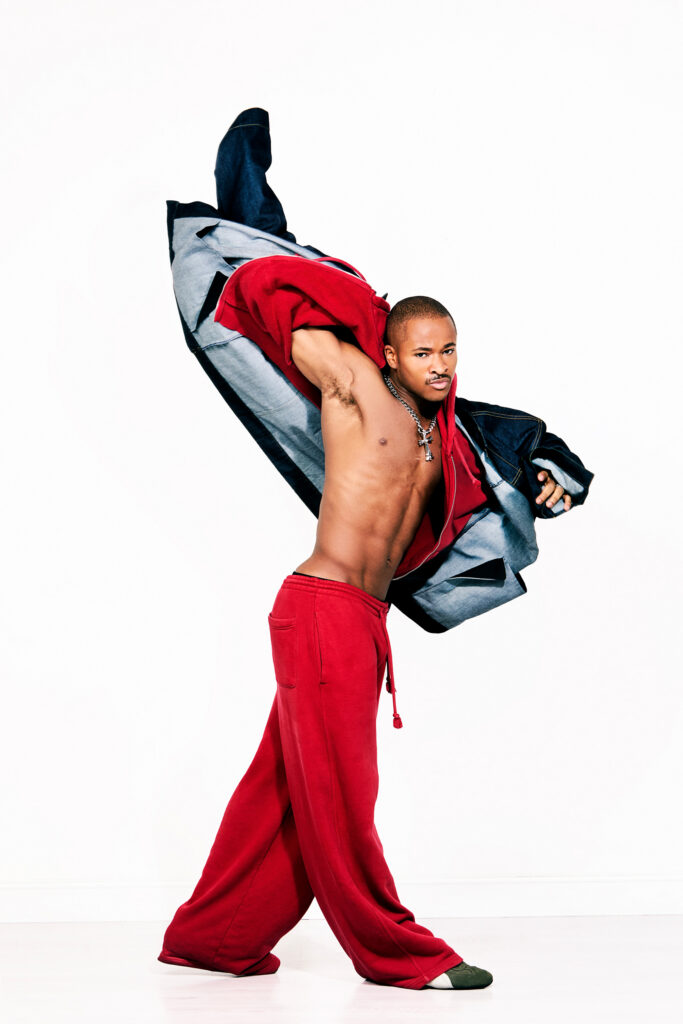
You’ve been training for this audition for months. But on the big day, the seamless performance you’ve been hoping for doesn’t come. Instead, you make a mistake that sends your confidence careening off a cliff. For the rest of the audition, you’re second-guessing every choice.
While some lucky dancers are excited and motivated by the pressures of the audition room, for many others, auditions lead to nervousness and self-doubt. And a “bad” audition can be deeply upsetting. Mental performance coach Chelsea Pierotti says dancers often tie their identity to their craft, which makes audition losses even harder. So how can dancers better prepare themselves for the stresses of auditions and increase their odds of success?

Audition Anxieties
One of the reasons auditions are so stressful, according to Pierotti, is that they’re often spaces where dancers don’t know what to expect. It’s impossible to guess exactly what evaluators are looking for. “Not having a sense of control or road map to follow can make it feel very nerve-racking,” she says.
The sheer number of dancers present at auditions can also create anxiety, says commercial dancer Devin Neal—it’s a constant reminder of how steep the competition is. Charlotte Anub, a company dancer with Orlando Ballet, adds that in that crowded setting, it can feel natural to shrink yourself. “There are so many people in the room. It’s easy to think, Nobody can see me, and go inward,” she says.
Auditions often push dancers beyond their natural comfort zones, another source of strain. For Broadway dancer Carissa Fiorillo, singing was a pain point at musical theater auditions for years. She wasn’t confident in her abilities, and the high-stakes environment exacerbated her anxieties. “I had to work through the fear,” she says.
Neal recommends establishing a freestyle dance practice so you’re prepared for the unexpected at commercial auditions. Photo by Courtney Phillip, Courtesy Neal.
Preparation Is Power
Working through that fear requires preparation—not just physical training but mental preparation, as well. Pierotti recommends starting months in advance by doing a brief mental warm-up each time you train. This could be anything from deep breathing to hearing a specific song to smelling a calming scent—as long as it’s consistent and helps you relax. Completing the same warm-up in the audition space will signal to your body and mind that it’s time to dance, says Pierotti. “It’s calming to think, I’m just doing the same thing I’ve always done,” she says. (For Fiorillo, listening to her hype song, Don Henley’s “The Boys of Summer,” does the trick.)
To prepare yourself for unexpected audition situations where you’re asked to showcase your individuality, Neal suggests establishing a freestyle dance practice—and knowing your strengths. Through freestyling, he says, he’s become more in tune with his body and its limits. In the audition room, judges might ask you to improvise or move in an unfamiliar style. “You never know what they’re going to throw at you,” says Neal. “If you don’t know what your body can do, you will psych yourself out.”
If you’re already aware of your audition sore spots, address them directly during your preparations. To help stand out in a crowded audition room, Anub has worked on projecting her energy up and out. After Fiorillo struggled with singing at auditions, she focused on singing lessons and prep classes for vocal auditions and began to see better results.
 Anub (second from right) in Orlando Ballet’s Nutcracker. Photo by Michael Cairns Photography, Courtesy Anub.
In the Room
Once you’re at the audition, focusing on grounding yourself will help you manage mistakes and unforeseen stressors. Anub does this by connecting with her musicality. “I listen to the music and find pockets where I can play with it and experiment,” she says. Shifting her mindset from nervousness to playfulness helps her remain present in her dancing. And by showing her personality, she says, she feels more likely to catch the evaluators’ eyes.
If something does go awry during an audition, try not to let it derail your confidence. “Get out of the rumination about the mistake,” advises Pierotti. She recommends a sports psychology approach called the “three Rs”: release, reset, and refocus. When negative self-talk creeps in, release it by literally shaking it off, reset your system with deep breathing, and refocus your energy on the next part of the audition. Similarly, Fiorillo mentally repeats the phrase “Swipe, delete” to brush off missteps.
After the Audition
 At auditions, Broadway dancer Carissa Fiorillo mentally repeats the phrase “Swipe, delete” to refocus after missteps. Courtesy Fiorillo.
Once you’ve unpinned the number from your dancewear, make time to reflect. Fiorillo writes notes in her phone or records herself speaking about what went well and what didn’t. At the next audition, she tries to address a specific area of weakness from the previous one. Pierotti especially encourages dancers to celebrate the high moments from auditions. “Reflect on what you did well, so that if it is a rejection, you’re able to say, ‘I did everything in my control and I’m proud of what I did,’ ” she says.
Taking time to disconnect from dance can also help put audition stress in perspective. Engaging with another hobby or talking to a nondancer loved one can help you fully decompress, Pierotti says. “Connecting to who you are outside of dance is a valuable piece to all of this,” she says.
Despite dancers’ best efforts, some auditions will still end in disappointment. Keep in mind that the outcome of one event doesn’t determine your worth as a performer. “An audition only holds as much power as you give it,” says Anub. Neal reminds himself that dance is an art form and therefore inherently subjective. “Sometimes the way you present your art isn’t the way they want it, but it doesn’t mean it’s wrong,” he says.
A New Take on Nerves
Dance clients often ask mental performance coach Chelsea Pierotti how to stop being nervous at auditions. “That’s not the question,” she says. Completely shutting out the stress of a high-stakes, competitive environment may not be a realistic goal. Instead, she recommends reframing nervous feelings, thinking about working with your nerves so that you’re prepared to handle them when they come.
Pierotti encourages dancers to “sublimate” their feelings of nervousness into excitement. “Your body does the same thing when you’re excited and ready and when you’re nervous,” she says, using a pounding heart as an example. Often seen as a negative sign of nervousness, a pounding heart is also pumping blood to your limbs, preparing them to dance. “Take that pounding heart and say, ‘No, my body is ready to go,’ ” she says.
Incorporating this mindset shift will take time and repetition. But you can work on it beyond the audition room. Test it out in similarly challenging but lower-stakes situations, like taking class from a new teacher or trying out an unfamiliar style. Through these kinds of experiences, “you learn that you can be uncomfy and nervous and that you’ve got this,” Pierotti says. “That’s really where confidence comes from: not telling yourself to be confident, but the action of doing things that make you a little nervous and handling it well.”
 Courtesy Getty Images.
The post How to Become a Better Auditioner appeared first on Dance Magazine.




GIPHY App Key not set. Please check settings