
Most of my tablet use is on the iPad Pro M4, and that’s because of two things: the tandem OLED panel, and the software. The OLED on the iPad Pro is a joy to use, and it’s just great to play games or read content. I dabble in music production, and it’s easy to use the iPad to load a drum machine or synthesizer — most of these utilities just aren’t available on Android.
That said, I always have an Android tablet on hand to use as a general media device and smart home controller. I used the Xiaomi Pad Mini in the last six months, and it did a masterful job in this regard. So when Xiaomi sent the Pad 8 over, I just switched out the Pad Mini with the Pad 8, and after a month of use, I’m convinced that this is the best mid-range Android tablet you can buy. There’s a lot that the Pad 8 gets right, and I’m highlighting the four features I like the most.

The 11.2-inch LCD panel is great in daily use
(Image credit: Apoorva Bhardwaj / Android Central)
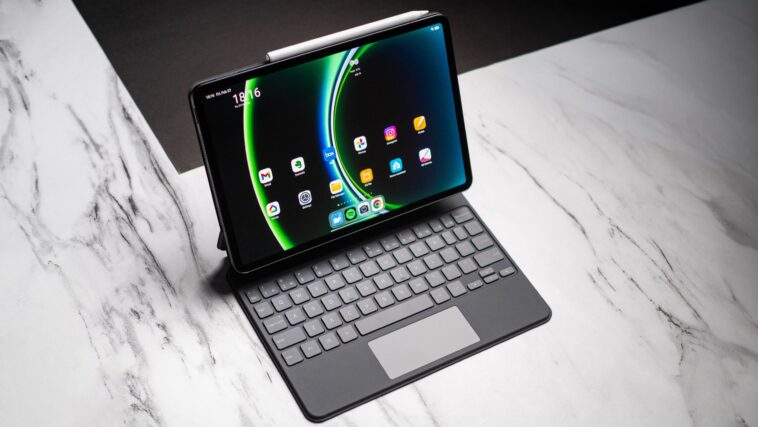
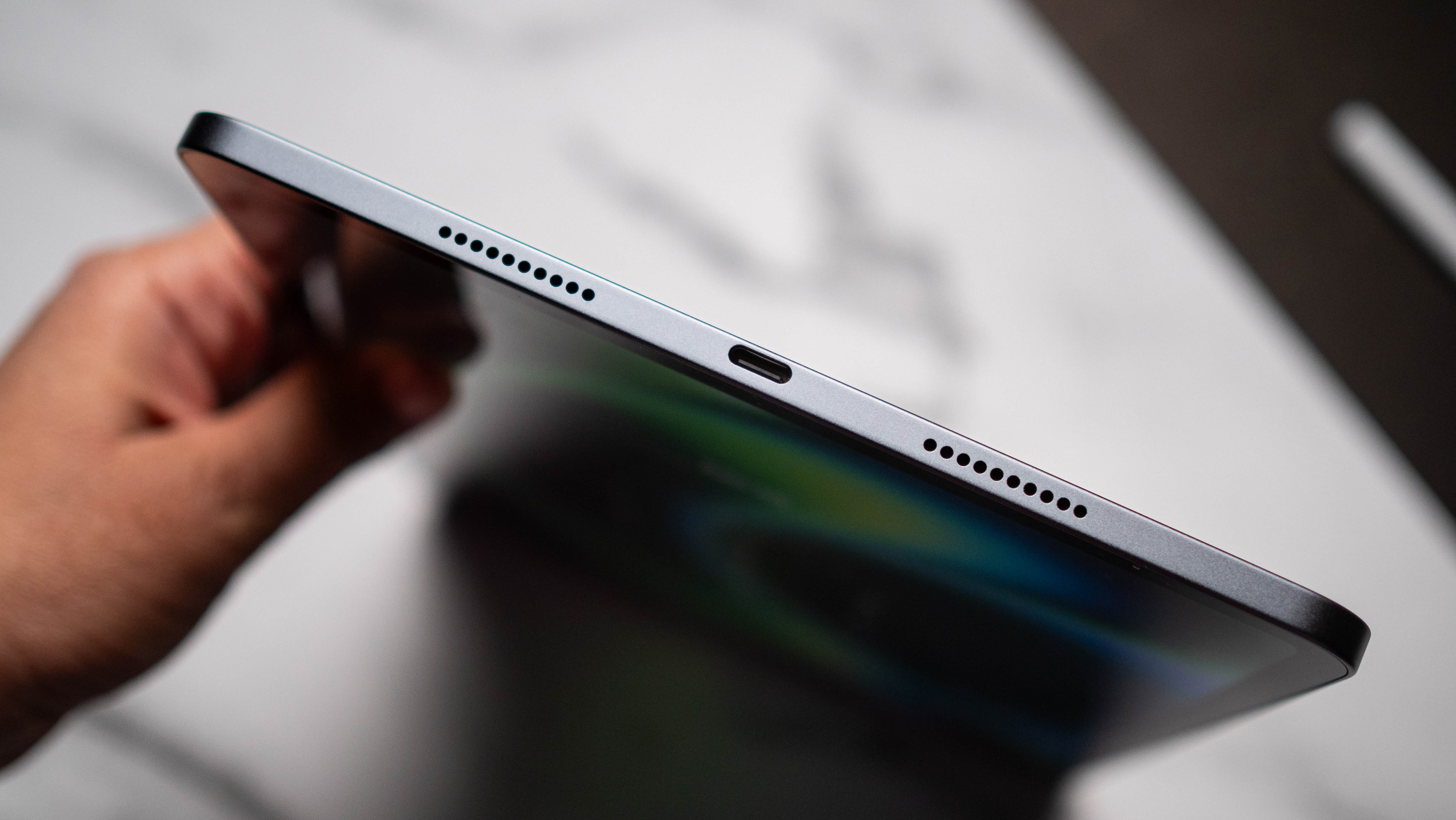
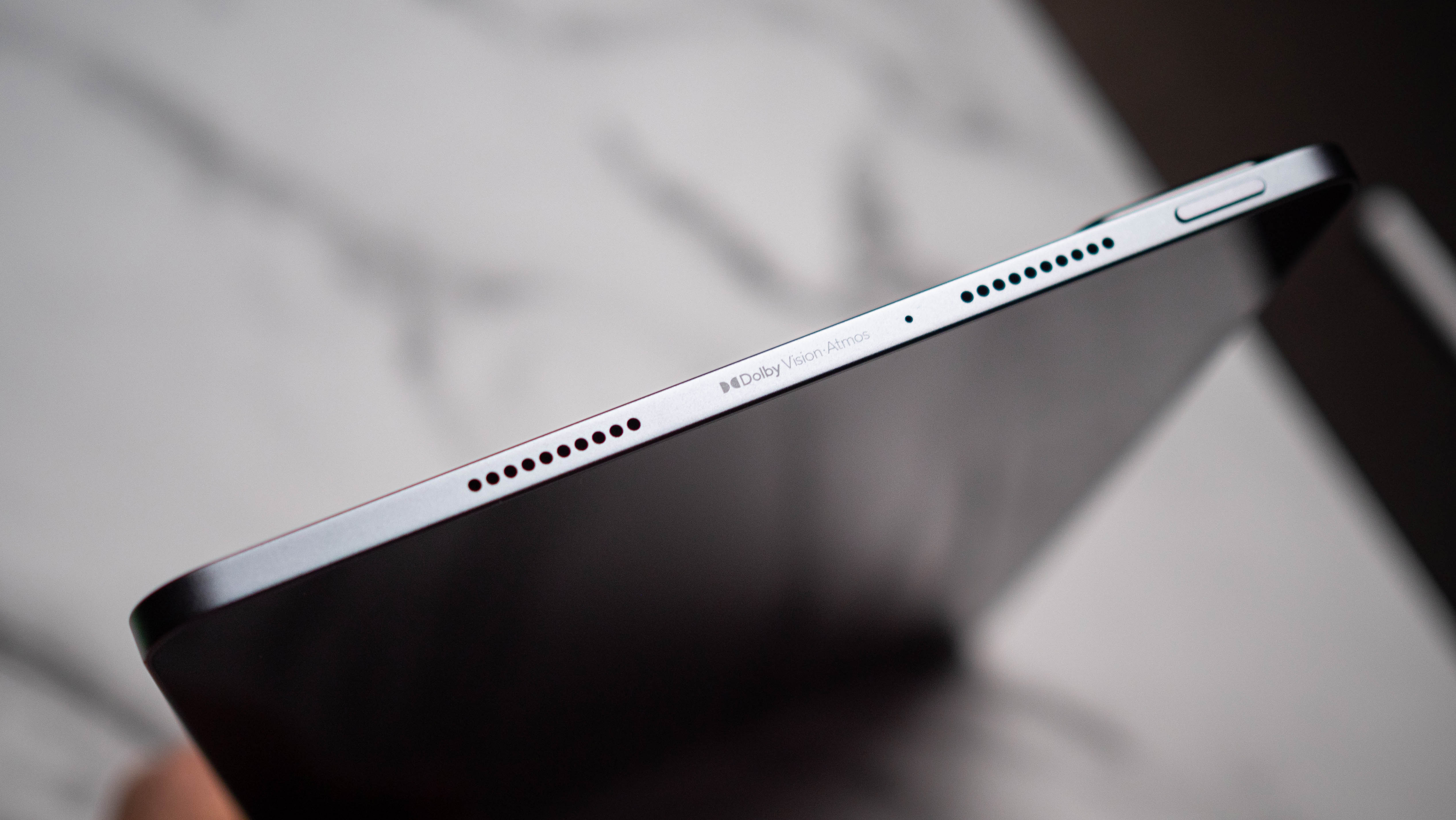
Xiaomi didn’t change the 11.2-inch LCD panel, and while it’s not anywhere as good as the iPad Pro, it is the best option you’ll find in this category. The 11.2-inch size is ideal, and the color vibrancy makes the tablet a great choice if you just need a multimedia device to stream content. Xiaomi did a good job with the onboard sound as well, and the four built-in audio drivers produce a decent amount of volume.
Article continues below
You may like
I have the standard Pad 8, but Xiaomi sells a model with a nano-texture coating, and I highly recommend getting this model. The anti-glare tech makes a big difference, and it gives the Pad 8 a definite edge in this category. The 3:2 ratio is ideal if you’re interested in reading ebooks, and Xiaomi has the best Reading Mode of any brand, allowing you to turn the entire panel monochrome.
The Pad 8 is one of the most powerful tablets around
(Image credit: Apoorva Bhardwaj / Android Central)
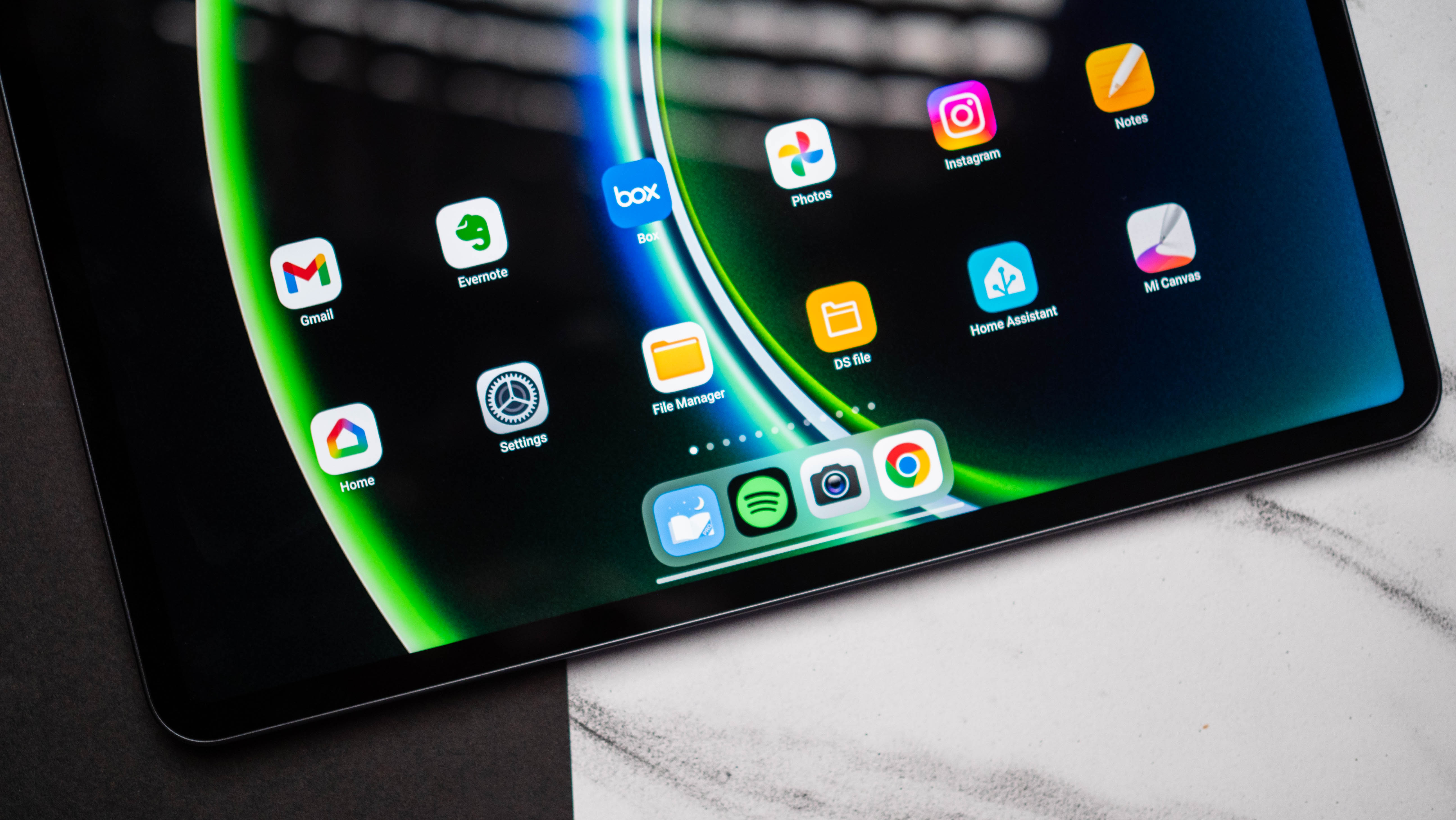
The Pad 8 is powered by the Snapdragon 8s Gen 4, and it handled everything I threw at it with relative ease. I didn’t see any issues with slowdowns, and gaming was enjoyable on the tablet with a Bluetooth controller. The model I’m using is the 8GB/128GB configuration, and I recommend getting the 12GB/256GB model. The 256GB variant gets UFS 4.1 storage — the 128GB model has UFS 3.1 — and the additional memory just gives you a little better headroom.
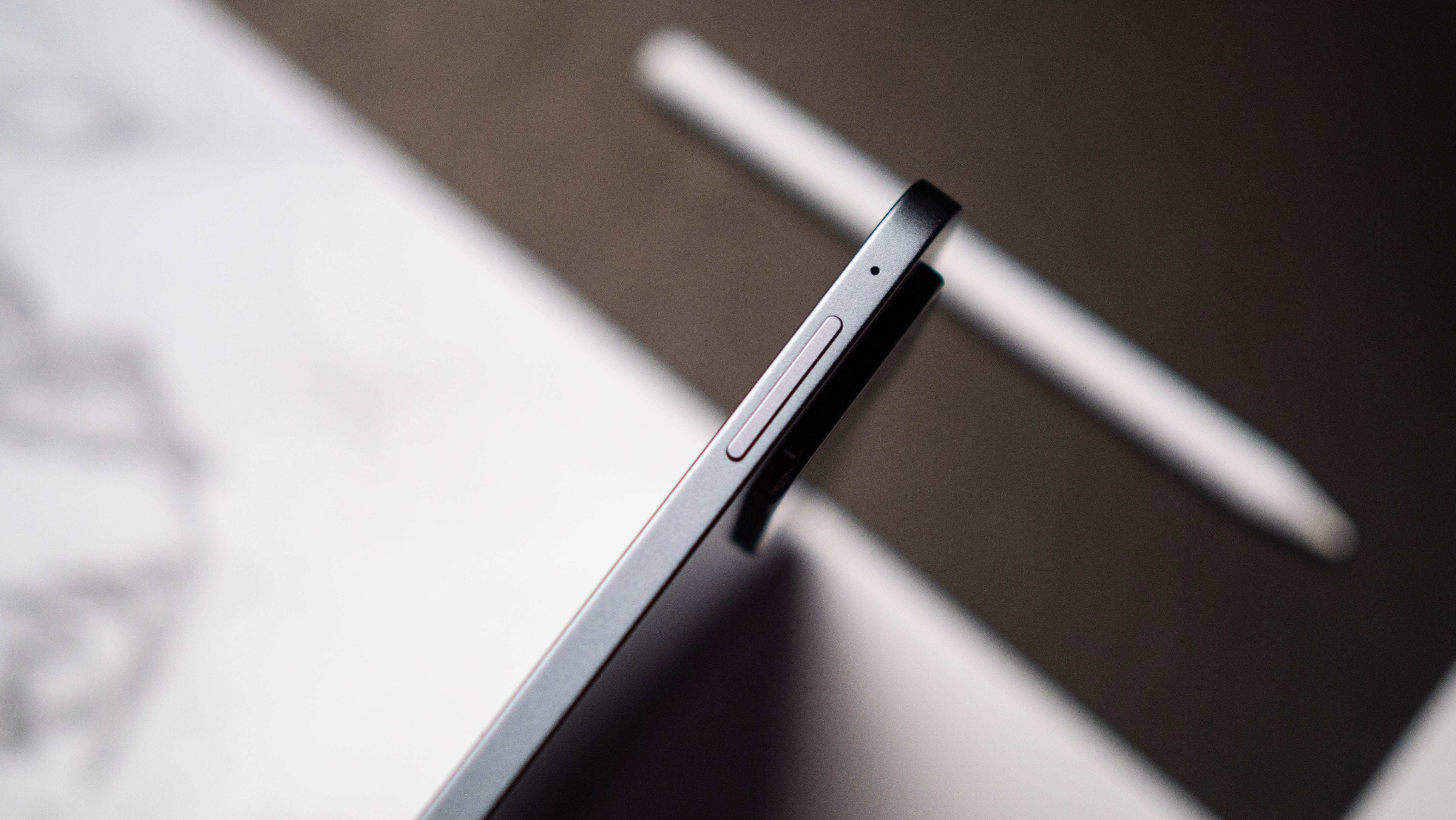
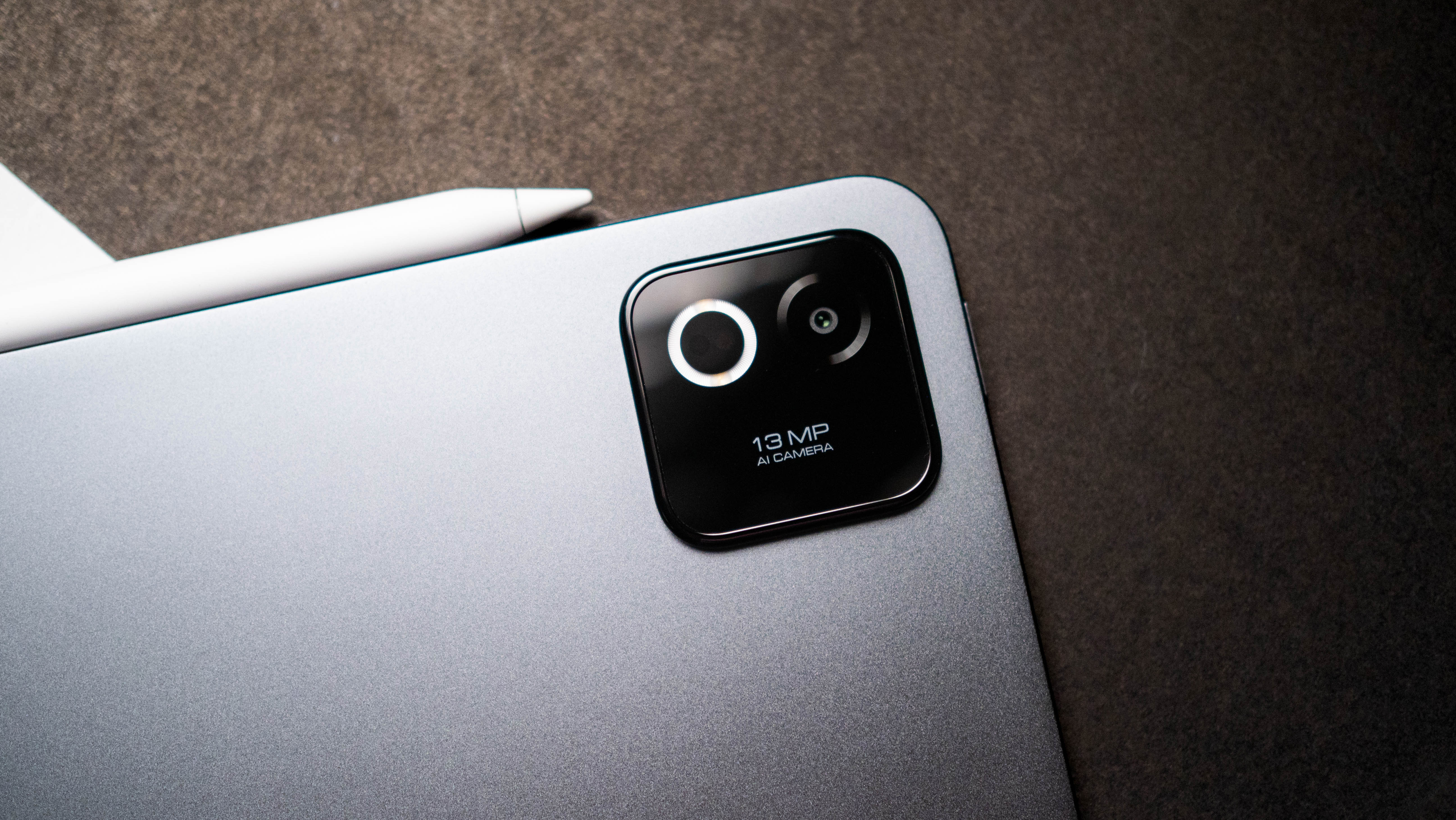
Although the tablet has similar dimensions as last year, it is a smidgen thinner, and the difference is only noticeable when using the Pad 8 alongside the Pad 7. If anything, I think the Pad 8 is a better choice than the Pad 8 Pro; both tablets are basically identical, with the Pro model getting a faster platform, better camera (pointless on a tablet), and faster 67W charging tech.
Image 1 of 5
 (Image credit: Apoorva Bhardwaj / Android Central)
 (Image credit: Apoorva Bhardwaj / Android Central)
 (Image credit: Apoorva Bhardwaj / Android Central)
 (Image credit: Apoorva Bhardwaj / Android Central)
 (Image credit: Apoorva Bhardwaj / Android Central)
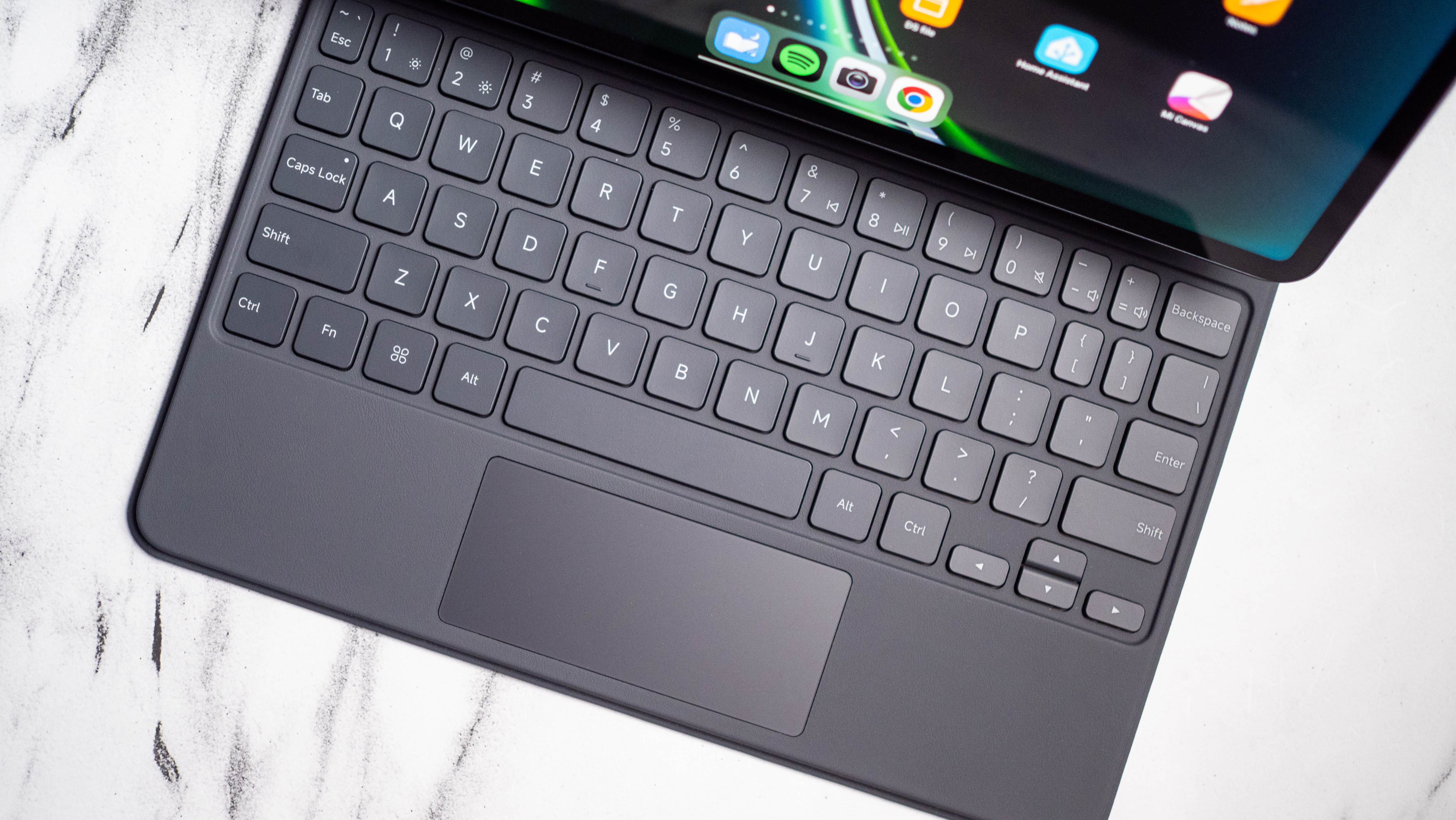
Xiaomi is leaning into productivity, with the Pad 8 sold with two keyboard cases and a stylus that’s better than previous year. I like the Focus Keyboard quite a bit, and it has backlit keys with good tactility, all without taking up too much room. Oh, and unlike the Redmi Note 15 Pro+, the Pad 8 isn’t hobbled by poor software choices — it runs Android 16 out of the box.
You get class-leading battery life
(Image credit: Apoorva Bhardwaj / Android Central)
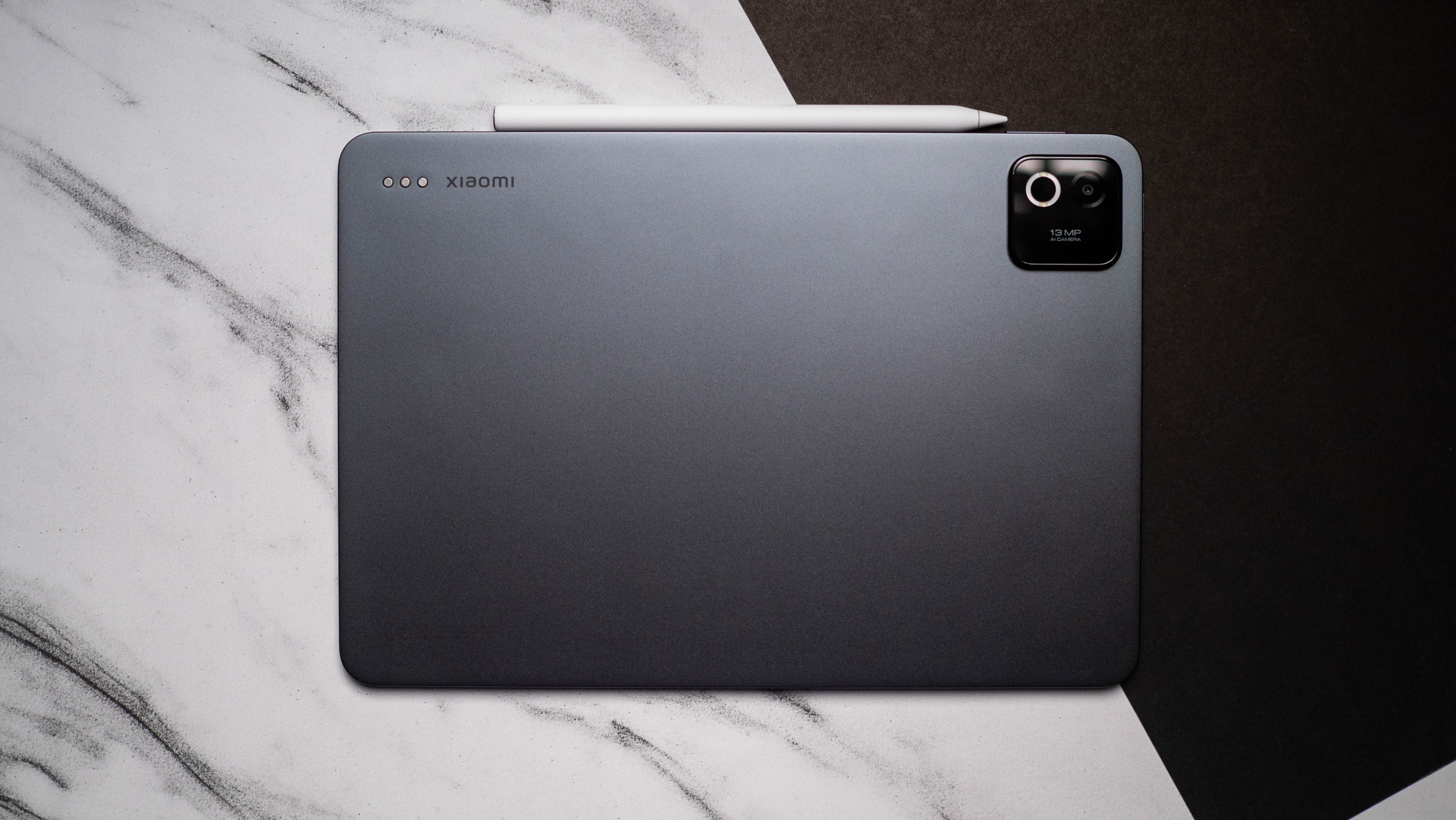
Xiaomi’s tablets always have good battery life, and the Pad 8 does even better in this area. The bigger 9,200mAh battery ensures the tablet has enough juice to power through productivity tasks, or if you’re binge-watching an entire season of a TV show.
In fact, the battery life is the main reason I’m now using the Pad 8 as my smart home dashboard. It’s great to not have to charge the tablet daily, and it lasts better than other mid-range tablets I used in recent years.
The Pad 8 has unmatched value
(Image credit: Apoorva Bhardwaj / Android Central)
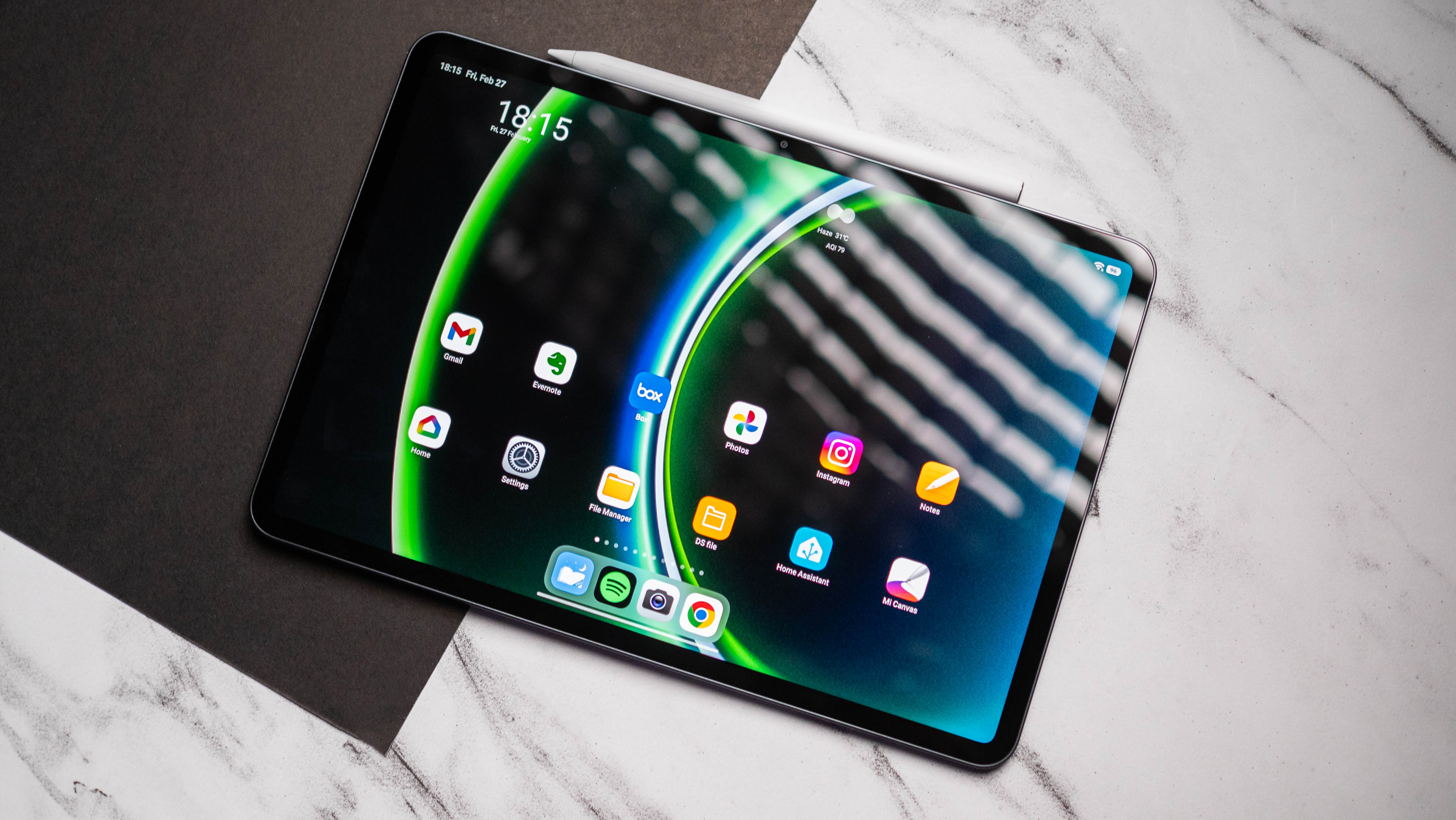
A big selling point of Android tablets is the value, and Xiaomi has once again demonstrated that it understands this category better than its rivals. Just like the Pad 6 and Pad 7, the Pad 8 is an incredibly good value, particularly in India, where the tablet starts at just ₹33,999 ($364). It isn’t quite as good a bargain in the U.K. at £399 ($535), but it’s still better than most tablets in the segment.
Xiaomi is also being sensible with its accessory pricing, and that makes the Pad 8 a good choice if you’re looking at a mid-range productivity tablet. On the whole, Xiaomi did all the right things with the Pad 8, and the tablet is a great upgrade if you’re on an older device or are considering a switch.
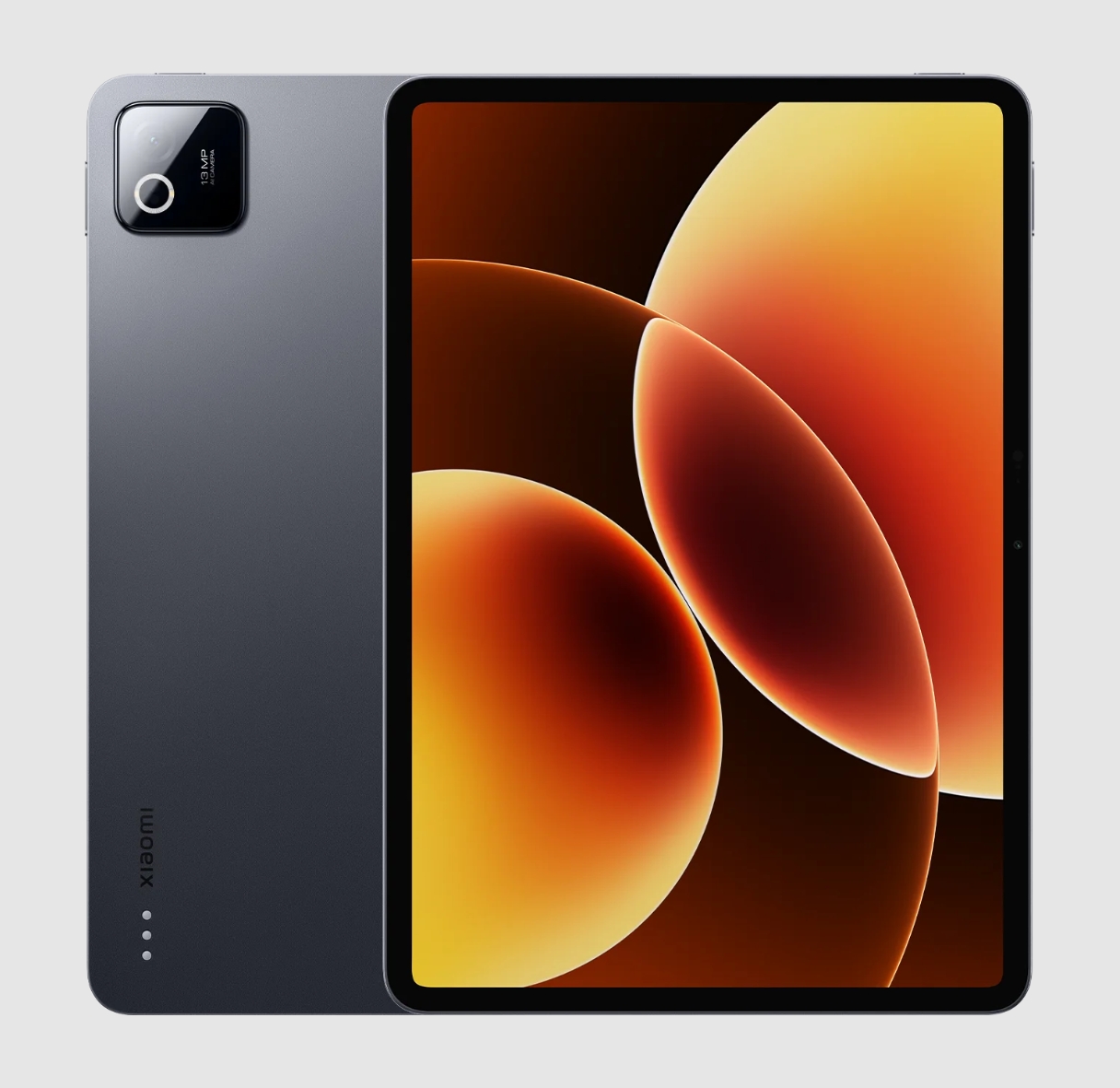
With powerful internals, a huge battery, vibrant 11.2-inch panel, and useful software features, the Pad 8 is the ideal mid-range tablet in 2026.




GIPHY App Key not set. Please check settings