
If you’re an Android user, you know the deal. Every year, Apple takes the stage to announce a bunch of “new” features that you’ve been using for years. It might be annoying if it weren’t so predictable, but it gives Android users a sense of pride, knowing they’re always on the cutting edge when compared to their iPhone-toting friends.
Apple’s iOS 27 update is no exception to this, and I w̶a̶s̶t̶e̶d̶ spent a solid 2 hours of my life watching Apple’s WWDC 2026 on June 8 to see which updates you can now ̶b̶r̶a̶g̶ ̶a̶b̶o̶u̶t̶ celebrate with your friends.

There are plenty of times every year when my mind is blown by one of Apple’s announcements, but it’s never for the reason they’re hoping. Rather, I’m constantly blown away by what features iPhone users didn’t have, and it reminds me that I regularly take my favorite Android features for granted. Here are all the iOS 27 features already on Android.

Today’s best AI phone deals
Animations and transparency
(Image credit: Nicholas Sutrich / Android Central)
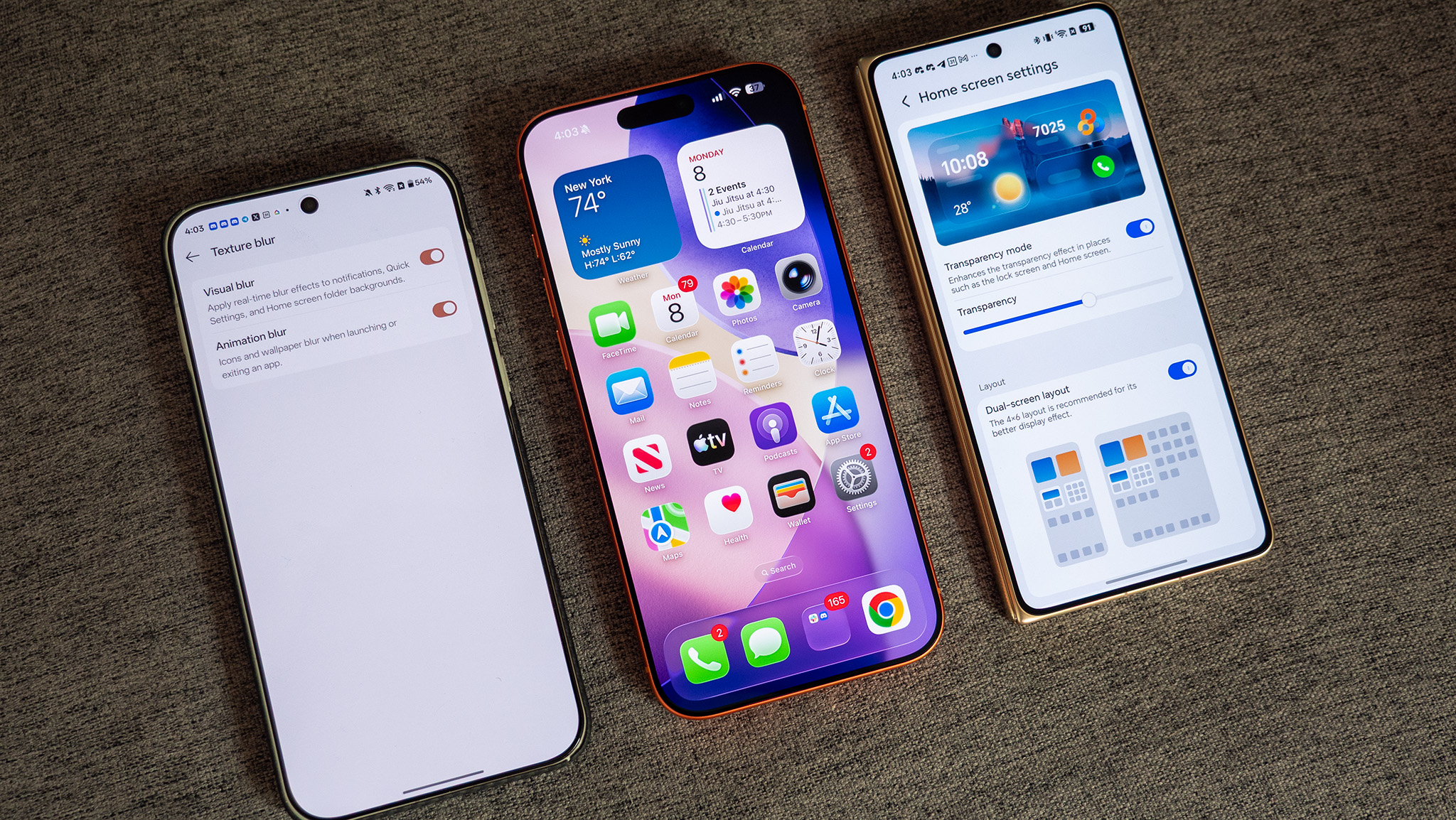
Last year, Apple launched iOS 26 with a new “Liquid Glass” aesthetic that was quickly panned. Liquid Glass evolved substantially from its announcement to the eventual release a few months later, but iOS 27 is finally adding a proper transparency slider to allow users to customize their preferred look.
Many Android OEMs rushed to update their Android 16 releases in the fall with a similar transparent glowing glass aesthetic, but all of them either offered a way to disable this effect entirely, and OEMs like Honor even offer a transparency slider (pictured above).
You may like
Apple also talked about enhanced, smoother animations throughout the OS, something Android OEMs specifically touted years ago, and have further doubled down on in the past two years.
Core features that weren’t so “core”
(Image credit: Apple)
Apple gushed about how its phones can now seamlessly hand off data between Wi-Fi and cellular data connections, like it was some amazing breakthrough. I’ll have to see exactly what’s different here to fully understand Apple’s angle, but Android users have had what appears to be an identical feature for years. Reminds me a bit of when iPhone users couldn’t make phone calls and browse the web at the same time.
Likewise, Apple Messages is apparently just now getting a “still sending” indicator for when your messages haven’t quite made it to the other side. How was this not a baseline feature before, especially given how many additional features that platform has over other messaging platforms? Very weird.
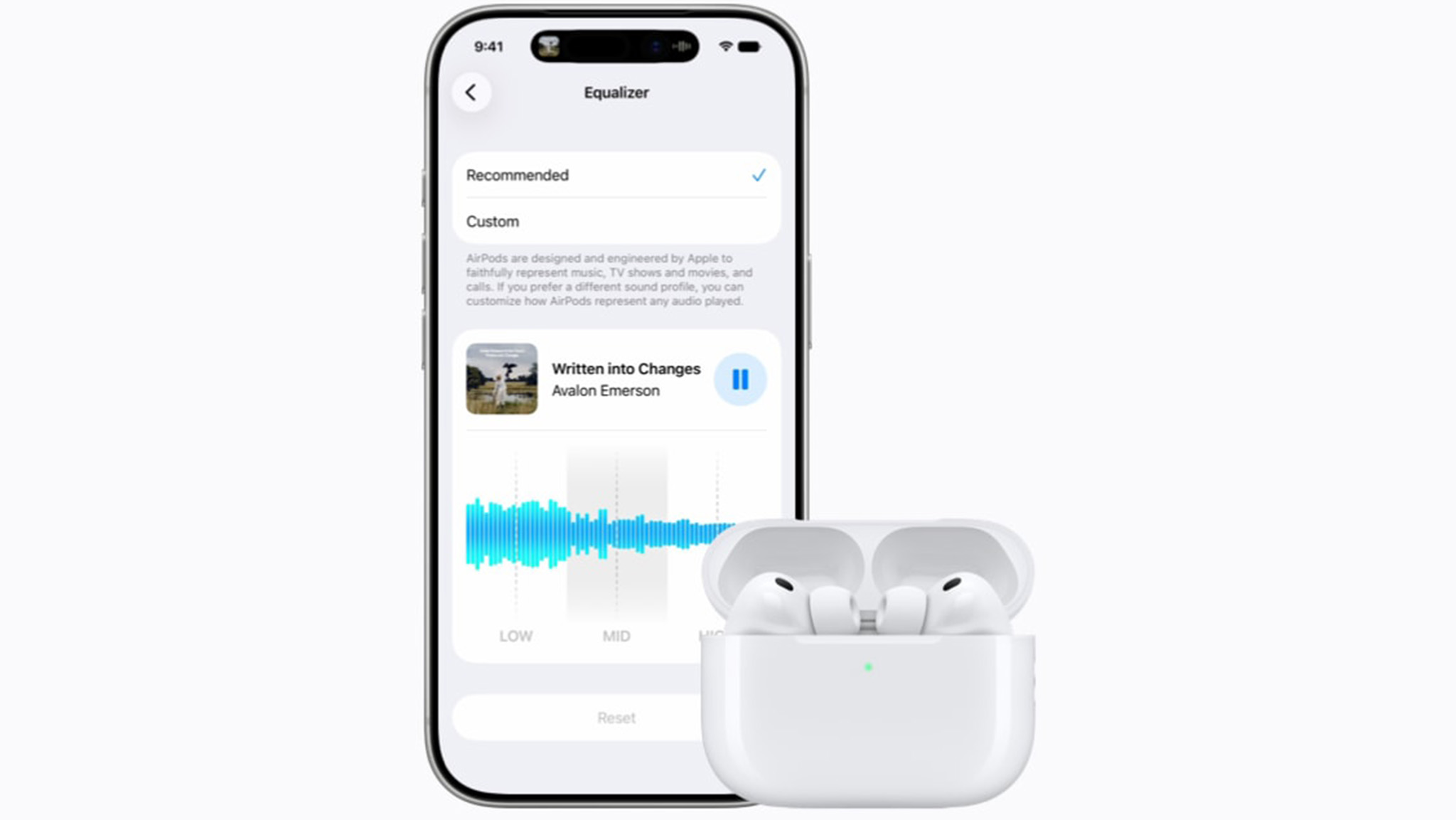
AirPods now also support custom EQs for users who care about that sort of thing, and I’m 100% sure I’ve been doing this on my Android phones since 2009. This Motorola Razr Fold I’m using right now, for instance, has Dolby Atmos built in and offers advanced EQ options plus automatic smart adjustments with virtual surround sound options.
(Image credit: Apple)
Apple’s password manager can now automatically identify compromised passwords and help you change them. Meanwhile, Google Assistant was able to do this four years ago, and Google Password Manager has identified compromised passwords for users for more than half a decade.
What to read next
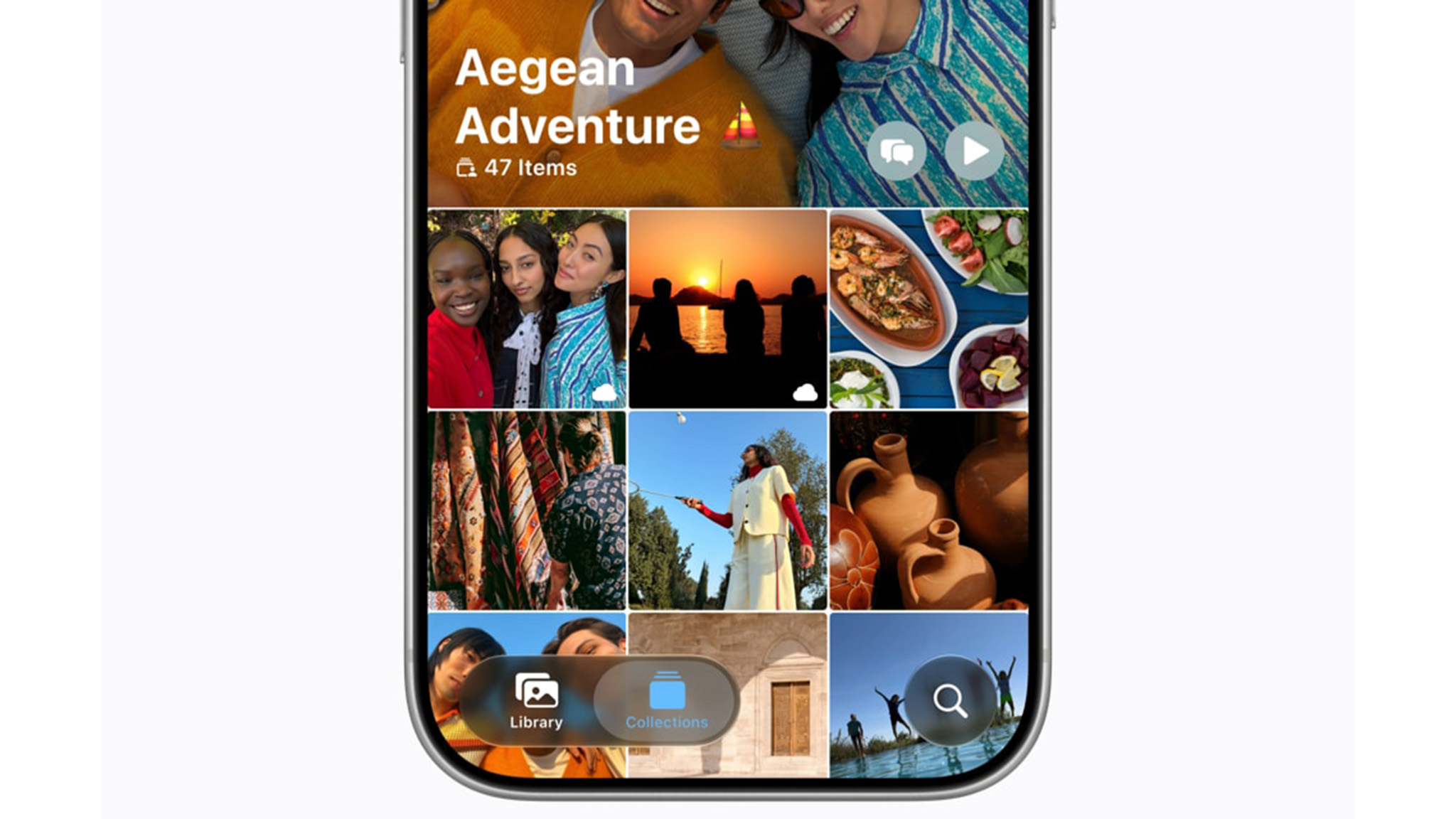
Apple’s Photos app now supports automatic sharing and group albums, two features the Google Photos app has had for a very long time.
Apple is also overhauling its parental controls suite with a bunch of features that are already in Android’s Google Family Link app, albeit with a better UI than Google’s app. But I’ve long used the Bark app for my son’s Android phones because it offers far better parental controls than either Google or Apple’s built-in solutions. Apple doesn’t allow these services to access usage data on iPhones, and that severely hampers the usefulness of such apps.
Siri, but make it Gemini
(Image credit: Apple)
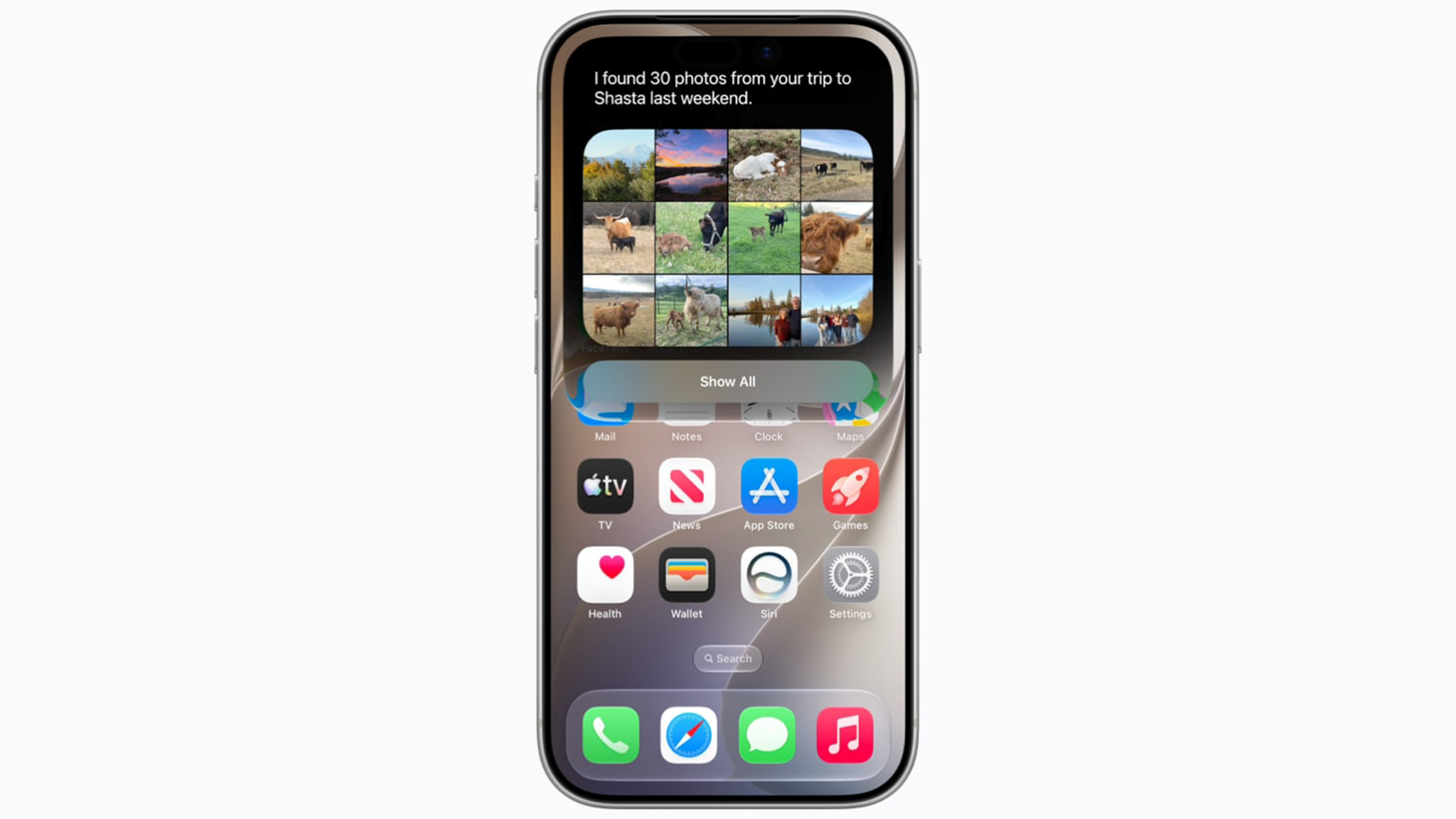
Well, it’s 2026, so did you expect anything different than a company spending 40 minutes on new AI announcements? Even Apple isn’t immune to this, announcing an upgraded Siri AI assistant with all the great features Android users have been enjoying for the past year or two via Google Gemini, Galaxy AI, OnePlus AI, Motorola AI, Honor AI, or whatever other favorite Android vendor you’ve been using.
Apple spent lots of time dunking on other companies for breaching your privacy with AI tools, but just saying “iPhone is more private” may not necessarily be true. After all, Apple is launching its new Siri AI features in the U.S. only at first, with availability in other regions (like the more privacy-focused EU and UK) “sometime in the future” once Apple has worked around regulatory restrictions.
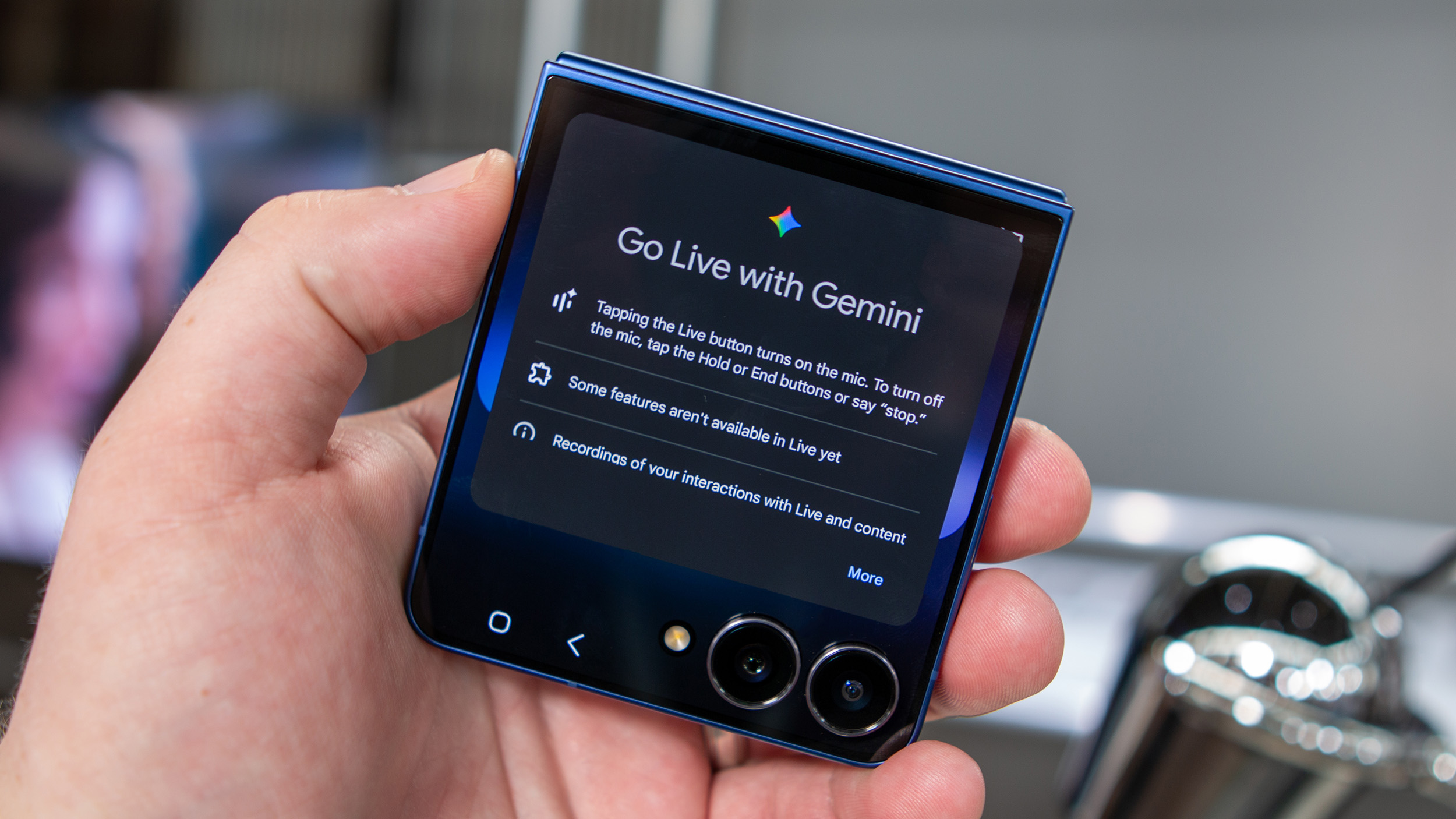
As we heard last fall, Gemini is the brains behind the new Siri AI and, as such, every new Siri feature Apple announced is already available on most Android phones. That all starts with the new adjustable Siri voice that finally doesn’t sound like it was made in the AOL days, something Google debuted with its ancient Google Assistant roughly a decade ago. Curiously, Siri AI is only available in English to start, while Gemini currently supports 70 languages.
(Image credit: Apple)
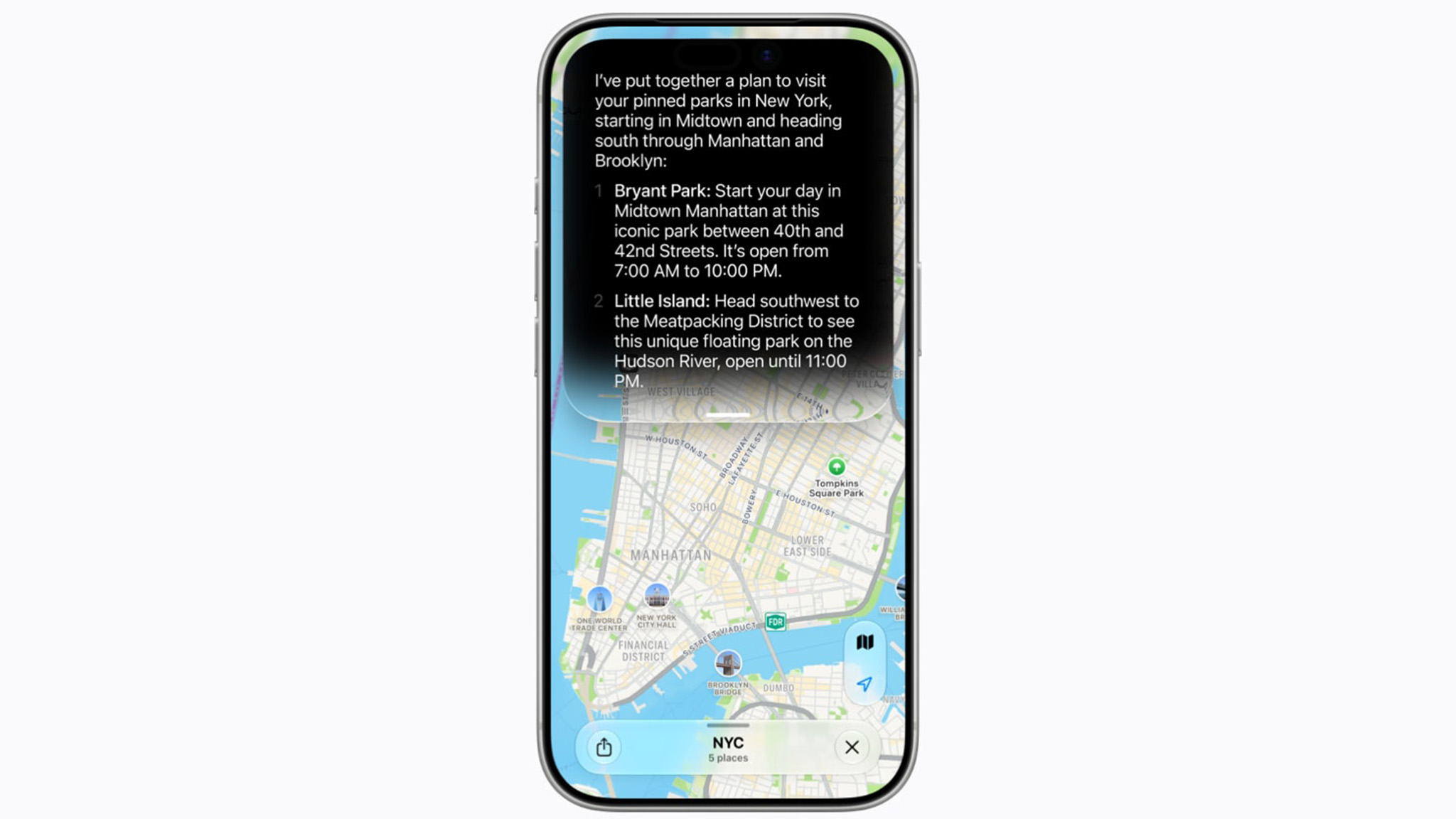
There’s also now a dedicated Siri app that keeps all your searches and other relevant data in one place for you to access later. It’s wild to me that Siri is just now getting a dedicated app, but, hey, that’s an iPhone for you. Google Assistant and Gemini have always had dedicated apps, but I like the way Apple is pulling together information in one place, similar to the way Pixel Screenshots, Nothing Essential Space, and other Android phones do.
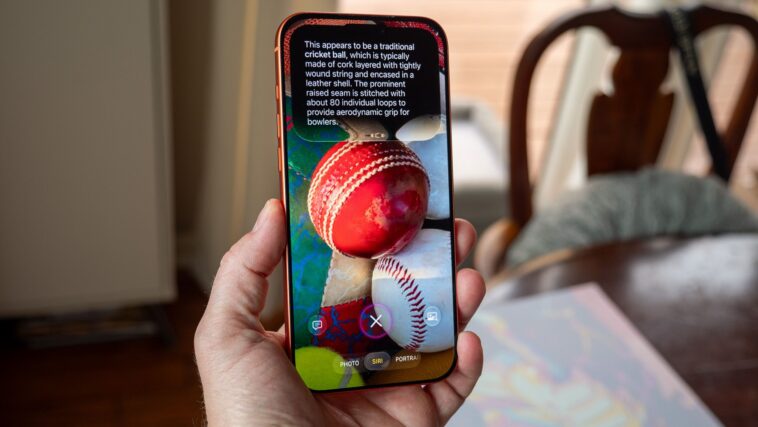
There’s even a new Siri camera mode that looks identical to Google Lens, which has been integrated into Android phones since 2017. Siri AI is also coming to the Apple Watch and likely offers similar functionality to the existing Gemini app on Wear OS watches.
Apple Intelligence
(Image credit: Apple)
Apple Intelligence is Apple’s catch-all term for AI features that are separate from the Siri AI assistant. Essentially, if you’re using an AI feature that’s not asking Siri for something, it’s Apple Intelligence. Apple’s initial rollout of Apple Intelligence last year was downright terrible, but the company went back to the drawing board for this year’s implementation.
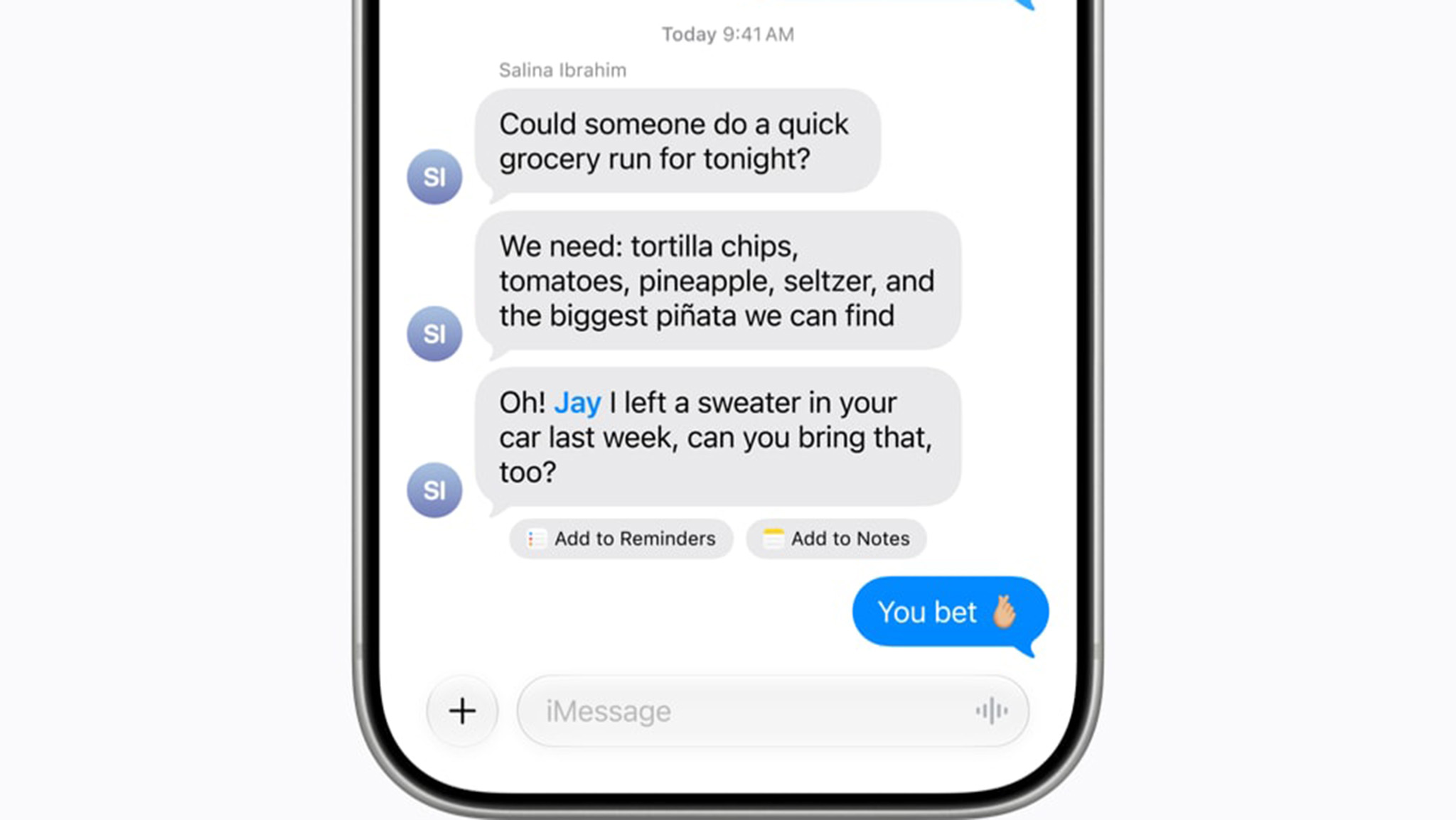
Apple Intelligence will now be able to pull relevant information in certain apps on your phone, like pulling in your airline reservation into the phone app when calling that airline. This identical scenario was shown off with Google’s Magic Cue on the Pixel 10 series last fall, and Now Nudge on the Galaxy S26 series also offers identical functionality, thanks to Android’s Personal Intelligence.
Apple Intelligence is also able to populate context-sensitive buttons when you search your screen. Late-2024 phones like the Honor Magic 7 Pro experimented with similar features, and the Android 16 update for Honor phones further improved that. Google’s own Circle to Search also sports similar functionality, including the ability to ask Gemini context-sensitive commands based on what you circle.
(Image credit: Apple)
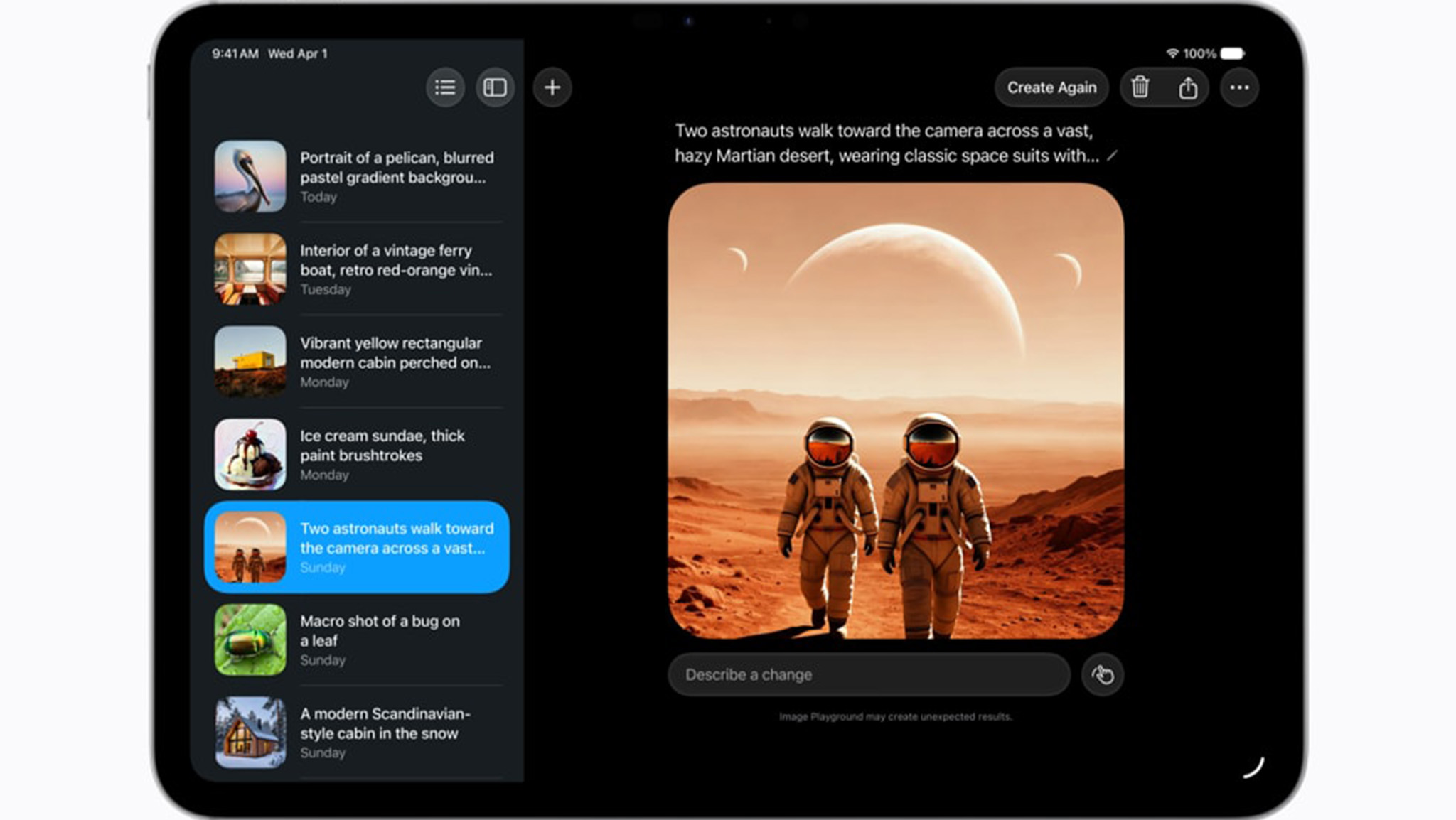
Apple Photos now has a ton of new AI-powered editing tools, all (but one) of which have been available in Google Photos for years. You can also now use Siri to write emails, generate ideas from photos, scans, or prompts, edit calendar entries using natural language, and perform plenty of other similar activities that felt extremely familiar to me as an Android phone reviewer. Apple also added Google’s excellent AI-generation warning to photos.
Apple is working toward fixing its terrible keyboard by enhancing voice dictation with Siri AI. Google integrated Assistant with Gboard back in 2020, and OEMs like Nothing and Google have recently started rolling out natural language dictation, as well, which is a generation ahead of what Apple showed off today. Autocorrect might finally not suck on iPhones, too, but we’ll have to wait and see the public verdict on that one.
Apple’s Home app is getting an Apple Intelligence glow-up that looks identical to the Google Home app upgrade that was announced last fall. That includes asking Siri about context-sensitive info in recorded videos, aggregating and analyzing smart home data to deliver better notifications, and more.
More to come
(Image credit: Andrew Myrick / Android Central)
So yeah, Android users have been enjoying a lot of features that Apple users still won’t have access to until iOS 27 launches in a few months. Even then, if history has proven anything, not all of these features will be available when iOS 27 is made public.
We also fully expect Apple to reserve some unannounced features for the upcoming iPhone 18, like the rumored anti-theft protection that Android also already has. If you want the latest and greatest features, it’s pretty clear that Android continues to be the best platform to own.
Today’s best Google Pixel 10 Pro, OnePlus 15, Samsung Galaxy S26 Plus and Nothing Phone (4a) Pro deals




GIPHY App Key not set. Please check settings