
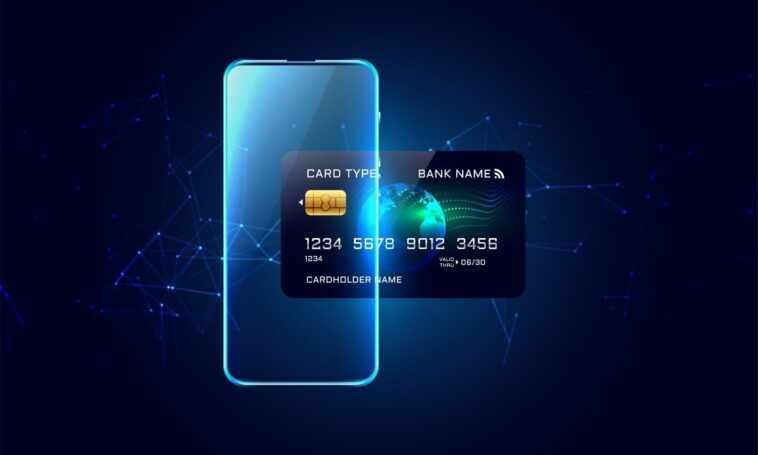
Fortunately, there are simple tools that can enhance the security around credit card use. Known as virtual or digital credit cards, they help shield your actual card number and reduce the risk of fraud if your payment information is compromised.
What are digital or virtual credit cards?
Virtual and digital credit cards are unique 16-digit payment numbers tied to your primary credit account, but they exist solely in electronic format. They allow you to shop online or over the phone without exposing the number and other details attached to your physical card.

Virtual credit cards
Virtual credit cards are essentially temporary or disposable card numbers generated specifically for online shopping and subscription services. Because they share only this one-time number and not your actual credit card number, they serve as a buffer between you and the merchant—or any bad actors who might intercept it.
Virtual cards typically have spending limits and expiration dates, or become locked after a single transaction, which limits the damage that a cyber-criminal can do. And when you cancel a virtual card, your credit card account is still operational.
Your credit card provider may offer virtual cards, though each provider usually has its own settings, limits, and rules.
Digital credit cards
Many consumers use digital cards stored in mobile wallets such as Google Pay or Apple Pay for the convenience of using their phone and leaving their wallet at home. But these cards have another advantage: they offer an extra layer of security between your credit account and potential online threats by using a tokenized version of your credit card number.
While no payment method is foolproof, virtual and digital credit cards can provide an added layer of security when shopping online. Many allow you to set spending limits, generate unique card numbers for specific purchases, or use separate card details for subscription services. This means less information is shared with merchants, which limits your risk if there’s a data breach.
That said, virtual and digital cards aren’t ideal for every transaction. Using a virtual card when booking flights, hotels, rental cars, or other travel services can lead to difficulties if you need to cancel or modify your reservation. For those purchases, using your regular credit card is the more practical choice.
Article Continues Below Advertisement

Skip Ad
X
Simple habits that can improve payment security
You can make using virtual and digital credit cards even safer by following some basic precautions that apply to online payments of any sort:
Use low-balance cards to restrict how much can be charged without additional authorization
Enable transaction alerts so you’re notified immediately of new purchases, helping you spot suspicious activity quickly
Use a password manager and multi-factor authentication (MFA) to better secure access to your credit card account.
Use effective password hygiene, including strong passwords and biometric authentication when possible
Monitor your credit by regularly reviewing your credit reports and checking for unfamiliar accounts or inquiries.
For an extra layer of protection against payment and other forms of fraud, consider Equifax Complete Protection. This digital subscription service provides a password manager, social media monitoring, data encryption with a VPN, credit monitoring, parental controls, device protection, and identity restoration in case of identity theft—all for as little as $34.95 per month.
FAQs
Get free MoneySense financial tips, news & advice in your inbox.
Read more about :

About Michael McCullough
Michael is a financial writer and editor in Duncan, B.C. He’s a former managing editor of Canadian Business and editorial director of Canada Wide Media. He also writes for The Globe and Mail and BCBusiness.




GIPHY App Key not set. Please check settings