
(Analysis) After two years and five months of devastation, a fresh initiative to resolve the Ukraine War is gaining traction in Russia and beyond.
In recent weeks, Russia has made both public and secretive moves to revive peace talks, stalled since March 29, 2022. Yet, profound disagreements continue to challenge mediation efforts.

Kremlin and Russian Defense Ministry insiders report that President Vladimir Putin’s recent peace terms are serious.
He proposes Ukraine’s neutrality and disarmament, with Russian control over four regions annexed in September 2022.
These regions’ annexation is internationally unrecognized, complicating negotiations further.
At a NATO summit in Washington, diplomats and a consultant suggested Putin might compromise to avoid military defeat.
They speculated on potential Ukrainian territorial concessions, contrasting sharply with Ukraine’s firm stance against ceding unlawfully seized territory.
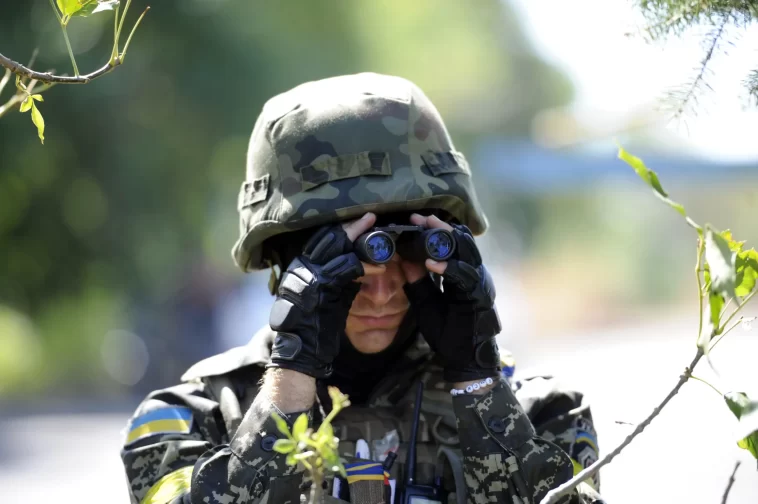
 Reigniting Peace: The Resurgence of Negotiations in the Ukraine Conflict. (Photo Internet reproduction)
Private communications indicate some Ukrainian military officials might be more open to negotiations than President Volodymyr Zelensky’s public statements suggest.
Despite controlling about 20% of Ukraine, Putin faces hurdles like international sanctions and the cost of ongoing military operations.
In eastern Ukraine, there are indications that the extent of Moscow’s territorial advances may be exaggerated.
The Ukrainian counteroffensive in 2023 has posed significant challenges to Russian forces, which, although not fully meeting its goals, has inflicted considerable losses and logistical difficulties on them.
These strains continue to impact the effectiveness of Russian military operations in the region.
Russia’s military is increasing missile production and maintaining artillery superiority but depleting its Soviet-era reserves.
This strain has led to reliance on conscripts and hired soldiers. Meanwhile, increased support from Western allies has strengthened Ukrainian defenses, potentially shifting the war’s dynamics.
The ongoing negotiations narrative features global involvement. Hungarian Prime Minister Viktor Orbán, during his EU presidency, embarked on a “peace tour.”
He engaged leaders like Zelenski, Putin, Xi Jinping, and former U.S. President Donald Trump, who criticized U.S. support for Ukraine.
Orbán conveyed Putin’s peace terms to European leaders, sparking controversy and highlighting the delicate balance in international relations.
Reigniting Peace: The Resurgence of Negotiations in the Ukraine Conflict
Ukraine’s Foreign Minister Dmitro Kuleba, during a visit to China, emphasized Ukraine’s readiness to negotiate, a sentiment supported by Chinese officials for a peaceful resolution.
Putin’s spokesman, Dmitri Peskov, expressed willingness for direct talks, though challenges to Zelensky’s legitimacy, based on postponed elections due to martial law, complicate dialogue.
As the American election approaches, the global dynamics around the Ukraine conflict remain fluid, with possible shifts in policy and alliances.
Even Brazil’s offer to co-mediate with China underscores the international desire to resolve this prolonged conflict.



GIPHY App Key not set. Please check settings