
Brazil is witnessing unexpected economic and job market strengths. Consequently, inflation strays further from the 3% target.
In response, the Central Bank of Brazil is set to initiate a series of interest rate hikes starting in September. Experts from XP predict an initial increase of 0.25 percentage points.

This move will be followed by two increments of 0.5 points, potentially elevating the Selic rate to 11.75% by year-end.
An additional increase of 0.25 points is anticipated early next year. This monetary policy shift follows recent signals from the Monetary Policy Committee (Copom).
They expressed concerns over the current inflation forecast of 3.2%, surpassing the target. This development led XP’s economists, under Caio Megale’s leadership, to revise their outlook.
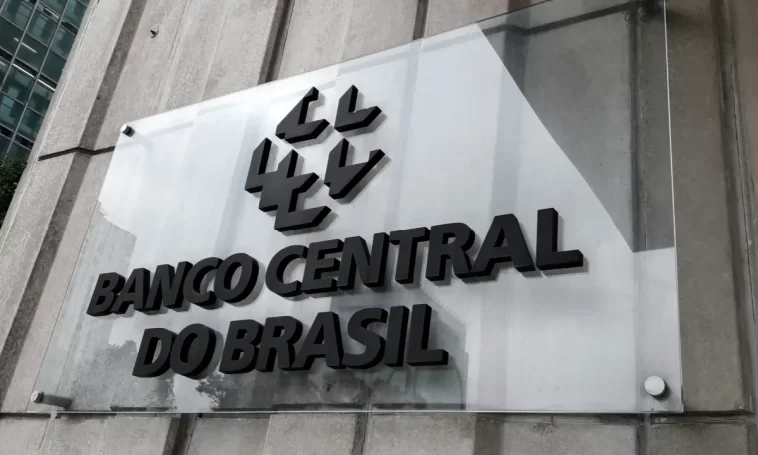
 XP Forecasts Brazil’s Central Bank Interest Rate Hikes Amid Economic Surge. (Photo Internet reproduction)
Initially, the team believed Copom would tolerate slightly higher inflation due to easing policies in major economies like the USA and Europe.
However, recent statements from the committee have underscored the need to address rising inflation expectations.
Brazil’s Economic Forecast
Looking forward, while the immediate future suggests tightening, possibilities for easing monetary policy may emerge by late 2025 or early 2026. For the moment, XP forecasts a 12% Selic rate by the end of 2025.
Considering the tighter monetary stance, XP has adjusted its inflation forecasts. They now see the Consumer Price Index (IPCA) at 4.0% next year, down from 4.3%. For this year, they raised their inflation estimate from 4.1% to 4.4%.
The economy’s resilience has also revised growth projections for Brazil’s Gross Domestic Product (GDP). The GDP growth estimate for this year has increased from 2.2% to 2.7%.
However, due to the expected restrictive policies, the growth forecast for next year has slightly declined from 1.7% to 1.6%.
In short, the balance between stimulating growth and controlling inflation underscores the key challenges for Brazil’s monetary authorities. Their decisions will significantly impact Brazil’s economic stability and future growth.




GIPHY App Key not set. Please check settings