
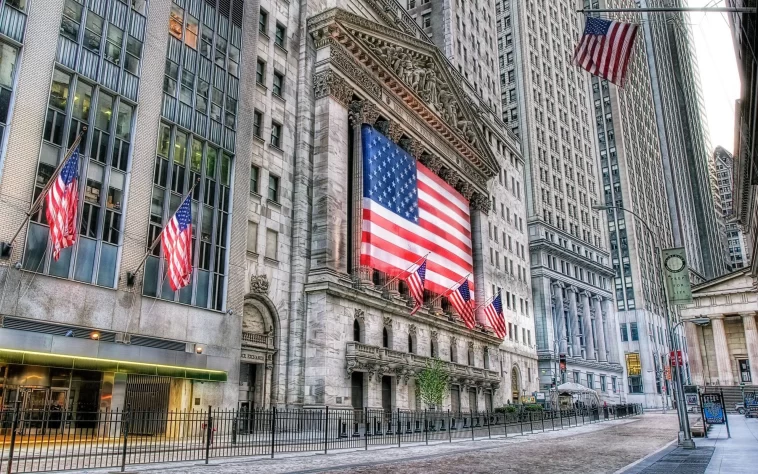
(Commentary) Wall Street is in uproar. On this crisp April day in 2025, the titans of finance are gnashing their teeth, their portfolios bleeding red as Donald Trump’s sweeping tariff regime sends shockwaves through global markets.
The S&P 500 has plunged into bear market territory, down 20% from its recent peak, while the Dow sheds thousands of points in a matter of hours.

Traders, analysts, and CEOs lament the chaos unleashed by the president’s “Liberation Day” gambit—a blitz of tariffs slapping 10% on all imports and up to 54% on nations like China.
“This is a suicide bomb on the economy,” fumes one hedge fund manager, echoing a chorus of despair from Manhattan’s glass towers. “We didn’t sign up for this,” cries a tech executive, watching Apple’s stock crater as supply chains buckle.
But here’s the rub: Trump doesn’t care. Not anymore. The Wall Street of 2025 is not the Wall Street of his first term, when he courted its favor with tax cuts and deregulation, basking in the glow of a soaring Dow as a badge of honor.
That bond has frayed. Since 2020, the financial elite have pivoted hard toward the Democrats, pouring cash into progressive coffers and recoiling from Trump’s populist insurgency.
 The Fat Cats Fall: How Trump Abandoned Wall Street for the Heartland. (Photo Internet reproduction)
The shift was stark by his 2024 campaign—Wall Street, once a reluctant ally, became a vocal adversary, its chattering class branding him a wrecking ball to their gilded world. And beyond the politics, a deeper fatigue has set in.
The Fat Cats Fall: How Trump Abandoned Wall Street for the Heartland
The public, Trump’s base included, is tired of the “fat cats”—the bankers and billionaires whose wealth ballooned while factory towns rusted. For Trump, their complaints are now mere background noise.
This is a president laser-focused on his true constituency: the working class. The autoworkers of Michigan, the farmers of Iowa, the builders of Pennsylvania—these are the faces he addressed in the Rose Garden, not the pinstriped suits of Lower Manhattan.
His tariff barrage, unveiled with theatrical flourish, is no impulsive lurch. It’s a promise kept, a policy telegraphed for decades through stump speeches and late-night rants. “I’ve been talking about this forever,” he boasted last week, and he’s right.
From his 1980s critiques of Japan to his 2016 tirades against China, Trump has long preached economic nationalism, vowing to wield tariffs as a battering ram against trade deficits and outsourced jobs.
That the world now reels in shock—markets tanking, leaders scrambling—feels almost absurd. Did they not listen? Or did they simply not believe?
The fallout is undeniable. Europe’s bourses are hemorrhaging, Asia’s Nikkei is in freefall, and Bitcoin, that supposed bulwark against fiat chaos, has shed 7% since Friday.
The European Unionfloundering in its response, threats a $28 billion retaliatory package on U.S. goods, but its leaders seem dazed, distracted by Ukraine and unprepared for this tectonic shift.

 The Fat Cats Fall: How Trump Abandoned Wall Street for the Heartland – America’s rust belt. (Photo Internet reproduction)
50 Nation Plead for Talks
China, ever the chess master, digs in with countermeasures, its state media framing the tariffs as an American assault on global stability—yet its technocrats quietly accelerate the BRICS alternative, betting on resilience.
Fifty nations, from Vietnam to India, plead for talks, their economies teetering as Trump’s levies threaten to choke off their U.S. markets. Vietnam, a low-cost manufacturing darling, faces a reckoning, its thin margins shredded by duties it can’t absorb.
Trump, meanwhile, stands unbowed. His wager is audacious: that America can endure the storm, that its industries will rise to the challenge, producing goods once made abroad.
He sees the old order—globalization’s sprawl of debt, deficits, and dependency—as a rotting edifice, hollowing out the heartland he claims as his own. “We’re taking back our sovereignty,” he declared, flanked by autoworkers, not bankers.
His administration brims with believers—economic nationalists who view the market’s convulsions as a necessary purge. Short-term pain, they argue, will yield long-term gain: factories humming, jobs returning, a nation remade.
Critics howl that this is folly. A recession looms, they warn, steep and brutal, fueled by an economy already warped by years of artificial buoyancy—monetary tricks papering over deindustrialization’s scars.
The tariff tax, pegged at $1,900 per household by some estimates, could crush consumers, while retaliatory salvos from abroad batter U.S. exporters. Yet Trump shrugs.

 The Fat Cats Fall: How Trump Abandoned Wall Street for the Heartland – the U.S. oligarchy is whing now but nobody cares. (Photo Internet reproduction)
Wall Street’s tears don’t move him; its denizens aren’t his people. His gaze is fixed on the rust belts and flyover states, where voters cheered his pledge to upend the globalist game.
He believes—rightly or wrongly—that they’ll stick with him through the chaos, that in three or four years, the fruits of this upheaval will bloom: a reindustrialized America, defiant and self-reliant.
The world braces for what’s next. Negotiations will come—some nations will bend, others break—but Trump’s terms will be ironclad, tilted toward American might. The EU, fractured and flailing, may kneel; China, steely and strategic, will endure.
For now, the tariff tempest rages, a gamble as bold as it is divisive. Trump bets on his vision, on his voters, on a future forged in their image. Wall Street may wail, but its voice, once a whisper in his ear, is now just wind in the storm.
History will decide if he’s a prophet or a pariah—but for today, the reckoning is here, and the world can only watch.




GIPHY App Key not set. Please check settings