
Key Points
A new generation is using phones to demand basic services—and paying a real legal price for speaking up.
Internet policy has become political in Cuba, as students protest pricing that can outstrip a monthly wage.
Social media is now Cuba’s public square, even as emigration shrinks the country’s future workforce.
Cuba’s Gen Z is often portrayed as resigned, but the island’s newest public critics are young, online, and increasingly unwilling to treat daily collapse as “normal.”

Mobile internet only became widely accessible in 2018, and by early 2025 Cuba counted about 7.81 million internet users—roughly 71% of the population—alongside around 6.58 million social media user identities.
In a tightly controlled system, that connectivity has turned into a tool for public accountability. Few episodes captured the shift like the case of Erlis Sierra Gómez, a pediatrician from Baire in Santiago de Cuba province.
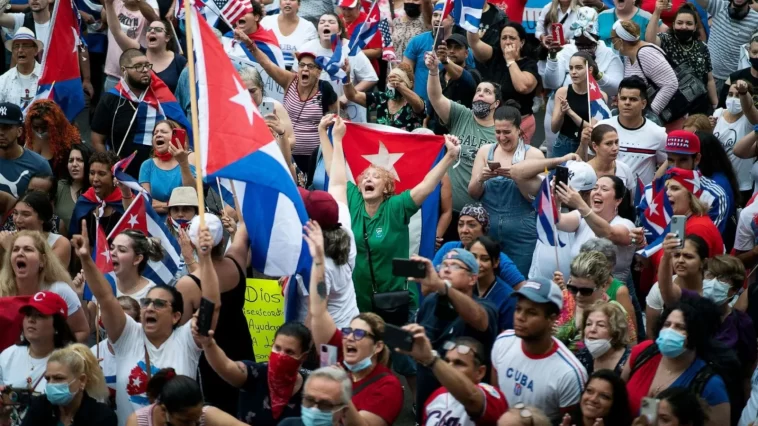
 Generation Z in Cuba Is Not Quiet — Phones, Protests, and the New Public Square. (Photo Internet reproduction)
In widely shared videos, Sierra confronted local officials in Contramaestre over long power cuts, water shortages, and garbage buildup, grounding his complaints in the country’s own constitution.
He was soon detained at home and taken in handcuffs to Santiago de Cuba, according to reports and neighbor accounts. A follow-up clip showed Sierra saying he was “fine,” but the tone fueled speculation that it was recorded under pressure.
His mother, Ania Gómez Leiva, also went public pleading for help, while neighbors described heightened police presence and warnings against sharing information.
The pressure behind these protests is measurable. Many Cubans have endured outages lasting up to 16 hours a day, with effective generating capacity falling below 2,000 megawatts against demand above 3,000—conditions that preceded a nationwide blackout on September 10, 2025.
Cuba’s Gen Z Turns Online Anger Into a Migration Signal
Gen Z anger has also focused on the internet itself. After state telecom monopoly ETECSA altered data offers in late May and June—capping certain peso-based options and steering heavier use toward foreign-currency-priced packages—students protested, arguing the changes priced education and information out of reach.
Officials later offered extra student packages, but reports described intimidation and pressure against organizers. Even when content is not overtly political, it becomes political by exposure.
Hashtags like #VivoEnCuba spotlight coping strategies, book scarcity, and “life-hacks” for shortages; creators such as Ana Sofía Benítez document study and survival in a constrained economy.
Others build audiences before leaving—like Frank Camallerys—or keep posting from inside, including Aprendedora during Hurricane Melissa’s Category 3 landfall in eastern Cuba and the prolonged outages that followed.
Authorities have not been passive. Cuba’s legal framework includes decrees targeting online speech and a penal code that can treat social media as an aggravating factor—tools that turn posts into case files.
The bigger story is time. Cuba’s population fell below 10 million by the end of 2024—about 9.75 million—amid mass emigration and collapsing birth rates.
The irony is stark: the generation most capable of narrating the island in real time is also the one most likely to leave it behind.




GIPHY App Key not set. Please check settings