
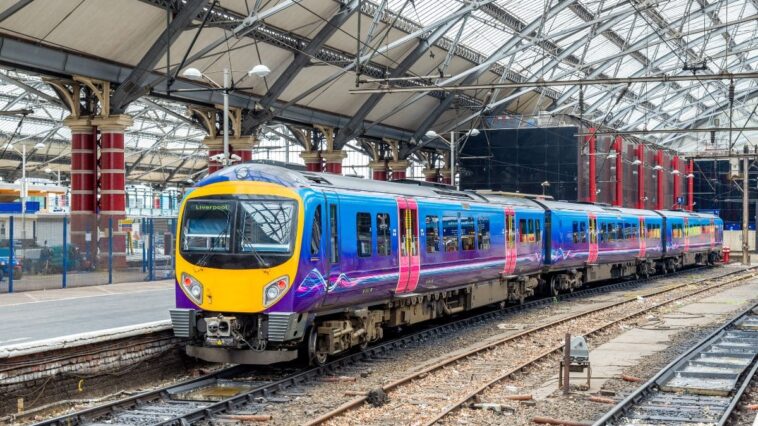
For the first time in three decades, rail fares in England aren’t going up. After years of watching ticket prices rise faster than wages, a freeze like this lands as a bit of relief for families who already feel stretched.

£10 sign up bonus: Earn easy cash by watching videos, playing games, and entering surveys.
Get a £10 sign up bonus when you join today.
Join Swagbucks here >>
For many commuters, rail costs quietly drain a big slice of their pay every month. So a freeze doesn’t just save a few pounds. It gives people breathing room.
A typical commuter could save between £57 and £315 next year, depending on their route.
There had been fears of a 5.8 per cent rise, because fares are usually tied to RPI plus one per cent. With RPI sitting at 4.8 per cent in July, this freeze stops that increase entirely.
The change covers regulated fares across English operators, including season tickets, peak returns and off-peak returns. That’s more than a billion passenger journeys a year.
A real example of how this helps
Take Laura from Woking. She only goes into the office twice a week, yet her rail costs still swallow a noticeable chunk of her pay. With the freeze in place, she’s keeping around £173 a year without changing a single part of her routine.
It’s not life-changing money, but in a year when food, rent and energy have all crept up, £173 saved is £173 that stays in her bank account.
And for commuters on more expensive routes, the saving can be over £300 a year.
Who benefits most?
The savings vary depending on where you live and how often you travel.
Someone commuting three days a week on a flexi-season ticket could save:
£315 between Milton Keynes and London
£173 from Woking to London
£57 between Bradford and Leeds
But the benefits don’t reach everyone.
London Underground fares aren’t covered, as those are set by the Mayor. Tube prices already rose by 4.6 per cent this year, so London-only travellers won’t feel the freeze.
Advance tickets, first-class fares and some flexible tickets are also unregulated, meaning rail companies can still price those how they like.
Why the government says it’s doing this
The freeze comes days before the Autumn Budget.
Ministers say it’s part of a long-term plan to rebuild the rail system into a publicly owned structure called Great British Railways, with promises of tap-in tap-out travel, simpler digital tickets and better onboard Wi-Fi.
Passenger groups and unions have welcomed the change. With transport now eating up around 12 per cent of a typical household’s spending, anything that slows the rise in costs is a welcome shift.


Skint Dad says:
When every penny matters, stopping a price rise can be just as helpful as cutting the price itself.
Smart ways to cut your rail costs even further
A fare freeze helps, but travel is still expensive. Here are simple ways thousands of people reduce their rail costs without changing their routine too much.
Use the right Railcard
Railcards cost around £35 a year and can save you roughly a third off many fares. For younger commuters, the 16–17 Saver can cut some fares by 50 per cent. If you make a few long trips a year, a Railcard usually pays for itself.
Pick a season or flexi-season that matches your lifestyle
Daily tickets add up quickly. If you work four or five days a week, a normal season ticket is often cheaper. If you go in two or three days a week, a flexi-season can save you money because you’re not paying for travel you don’t use.
Book advance tickets for longer trips
If you’re travelling between cities, advance tickets can be much cheaper than buying on the day. They’re limited and usually cheapest when bought early, often around 12 weeks before travel.
Try split ticketing on pricier routes
Split ticketing means buying more than one ticket for different parts of the same journey, even if you stay on the same train. As long as the train stops at the station where your tickets split, it’s allowed. The saving can vary, but on some routes it’s significant.
Travel off-peak if your routine allows
Off-peak and super off-peak fares are cheaper whenever you can avoid the busiest times. Slower trains and routes with a change can also be noticeably cheaper than the main fast service.
What to watch next
Some of the benefit could be softened by the Autumn Budget, especially if frozen tax thresholds or new measures affect take-home pay.
Experts have already warned that people will be watching closely to see if the savings from rail fares are balanced out elsewhere.
For now though, a year without fare rises is a rare win.

Ricky Willis is the original Skint Dad. A money-making enthusiast, father, and husband to Naomi. He is always looking for unique ways to earn a little extra.
Latest posts by Ricky Willis (see all)
Source link




GIPHY App Key not set. Please check settings