
Pankil Shah / Android Authority
As someone who takes online security fairly seriously, I’ve used a lot of different apps and services over the years. Some were legitimately great experiences, but others I came to regret installing.

Below are six privacy apps I tried out but ultimately felt weren’t a good fit for me. While some have security flaws or other major red flags, others were too complicated, missing key features, or simply too expensive.
Private Internet Access
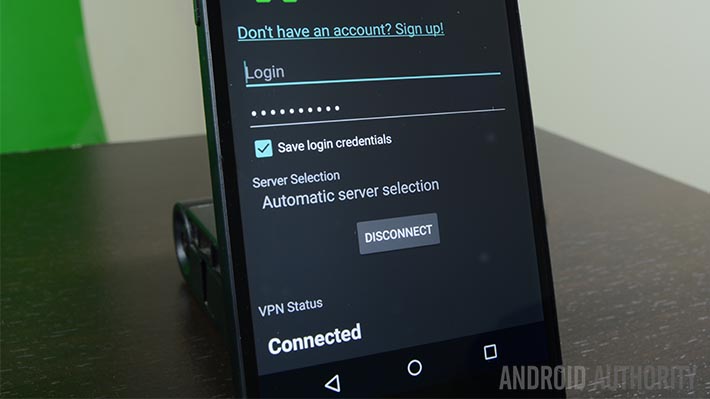
Private Internet Access was one of the very first VPNs I ever paid for. At the time, I got a good deal on an annual plan and decided to give it a chance. I want to be clear that PIA is actually a pretty solid VPN service. It offers unlimited simultaneous connections, advanced features like split tunneling, and has a proven track record of not logging user activity.
My real reason for uninstalling it is that there are simply better options out there in terms of ease of use and app capabilities.
PIA is known for offering a lot of features, but that comes with a downside. The sheer number of options makes the interface feel cluttered, and the learning curve is steeper than most other VPN services. I’ll also admit that PIA being based in the US is a bit concerning, though its track record makes clear that it isn’t a real issue in practice.
I went through a few options before landing on NordVPN as an alternative. While it’s priced a little higher, I feel it’s worth it. Nord is faster, works better with streaming services, and has a much cleaner app experience overall.
Brave Browser
Megan Ellis / Android Authority
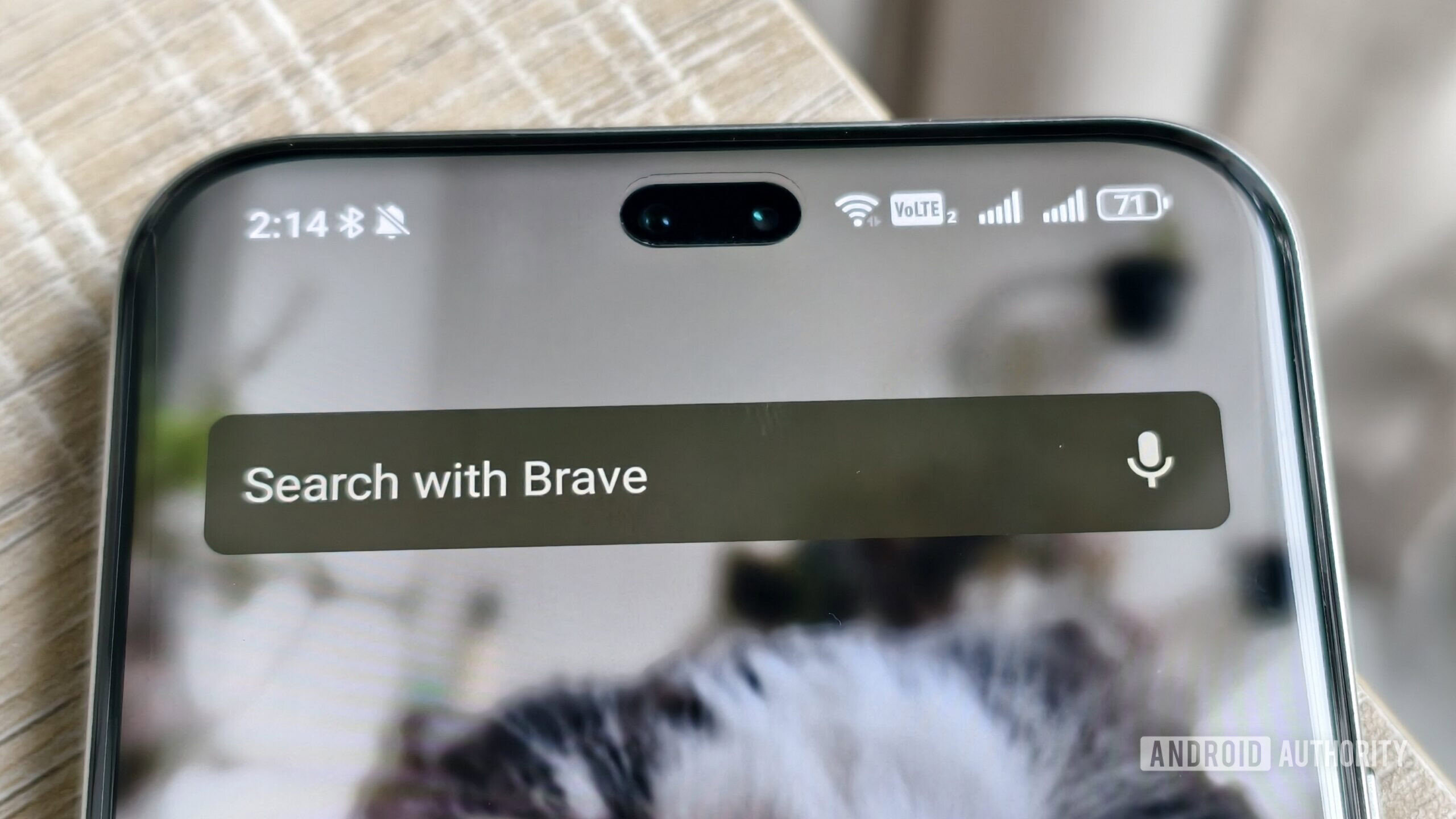
Brave is one of the most popular options if you’re looking for a security-focused web browser. It has built-in ad and tracker blocking, optional Tor features, and an interface that, while a little cluttered, is still reasonably easy to navigate.
That said, Brave Search is a mess. The results are often unreliable, so there’s little reason to use it. The syncing feature also doesn’t work nearly as well as other browsers like Chrome, and Brave’s ad-blocking can be overly aggressive in some cases, breaking certain websites.
The main reason I uninstalled Brave, though, was battery drain. It wasn’t too bad on my Android device, but the desktop version had pretty serious issues there. If you can look past its weaknesses, it may still be worth installing, but I personally prefer Firefox with uBlock Origin. It’s less of a resource hog, and I find the UI a bit more to my taste.
LastPass
Joe Hindy / Android Authority
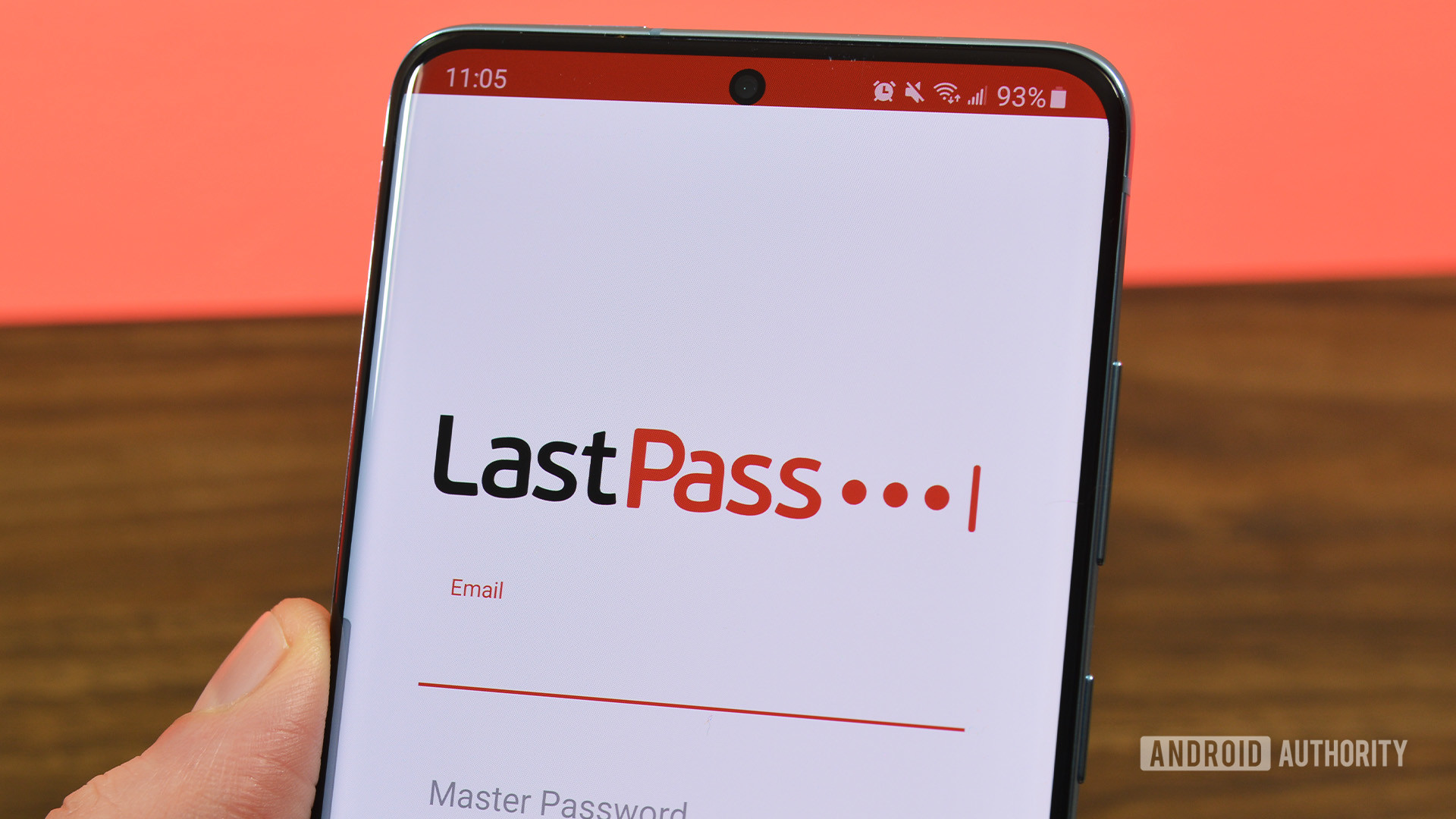
LastPass used to be the most popular password manager around, even if it was always a little pricey. The app and browser extension are both extremely easy to use, there are plenty of features, and syncing across devices works well on a wide range of platforms.
If that were the whole story, I would have stuck with it longer. But the main reason I regret using LastPass comes down to the company’s poor record for security breaches. A polished app and a long feature list only matter so much when trust is broken.
These days, I use Bitwarden. It isn’t quite as intuitive and doesn’t have as many features, but it’s a very solid platform, made even better by the fact that it’s free.
KeePassDX
Mitja Rutnik / Android Authority
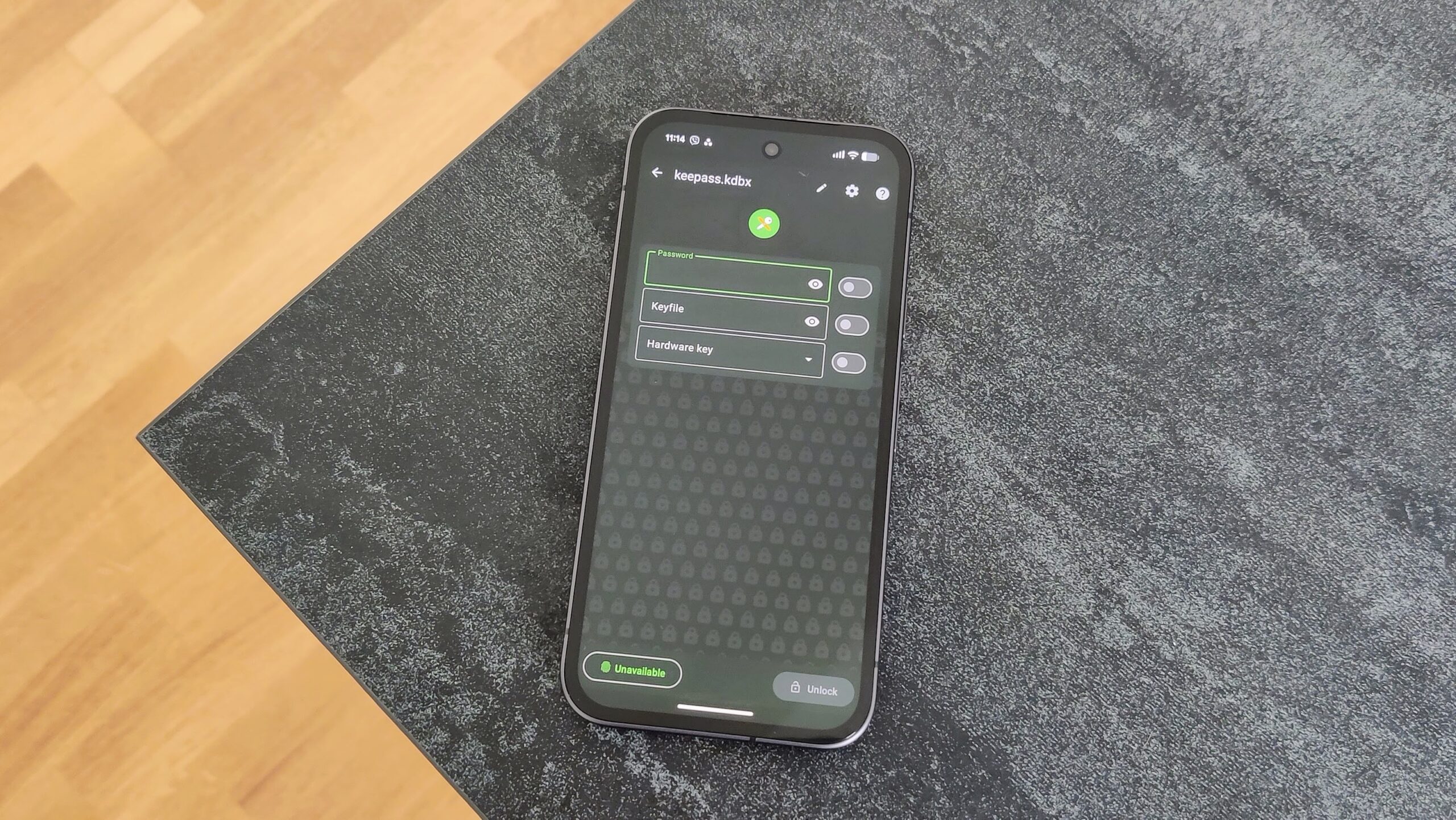
Before I moved to Bitwarden, I tried a few different solutions, including KeePassDX. There’s a lot to like. The UI is clean and easy to use, and everything is stored locally, which means zero exposure to server-side security risks.
There are trade-offs, of course. There are no cloud capabilities, so syncing requires manual work rather than happening seamlessly. Community support is all you get, and if you lose your master key, your data is essentially unrecoverable.
I stuck with KeePassDX for a few months, but eventually moved on because I wanted something less DIY in nature. Despite having a steeper learning curve, Bitwarden ended up being a better fit for my needs.
OpenBoard
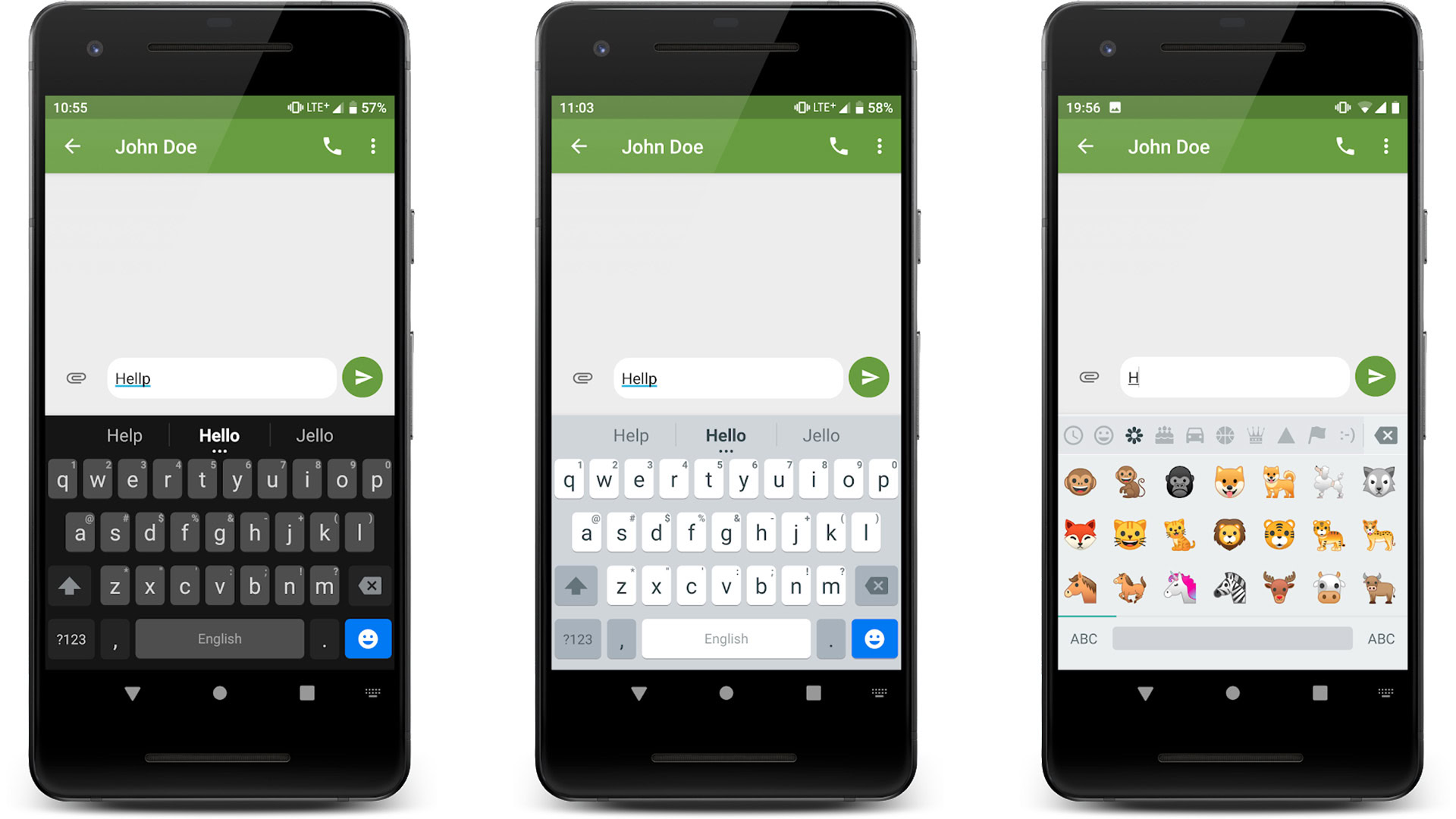
OpenBoard was once one of the best privacy-focused keyboard apps available, but it has since been abandoned and is no longer officially listed on Google Play. It’s still easy to find through APK sites if you want it.
This keyboard is fully offline, uses no servers, and doesn’t log keystrokes in any way. On the downside, predictive text and autocorrect are pretty basic. Swipe-to-type requires manually installing a set of proprietary files, which can be a bit of a hassle.
My main regret with OpenBoard is that it worked well enough that I kept it far longer than I should have, as there are simply better options out there that are better supported.
If you want something similar but actively maintained, I’d recommend HeliBoard. It’s a comparable experience, but it’s well-supported and one of the more popular privacy-first keyboards available. Like OpenBoard, you’ll need to sideload it, as it’s not on the Google Play Store.
OsmAnd
Andy Walker / Android Authority
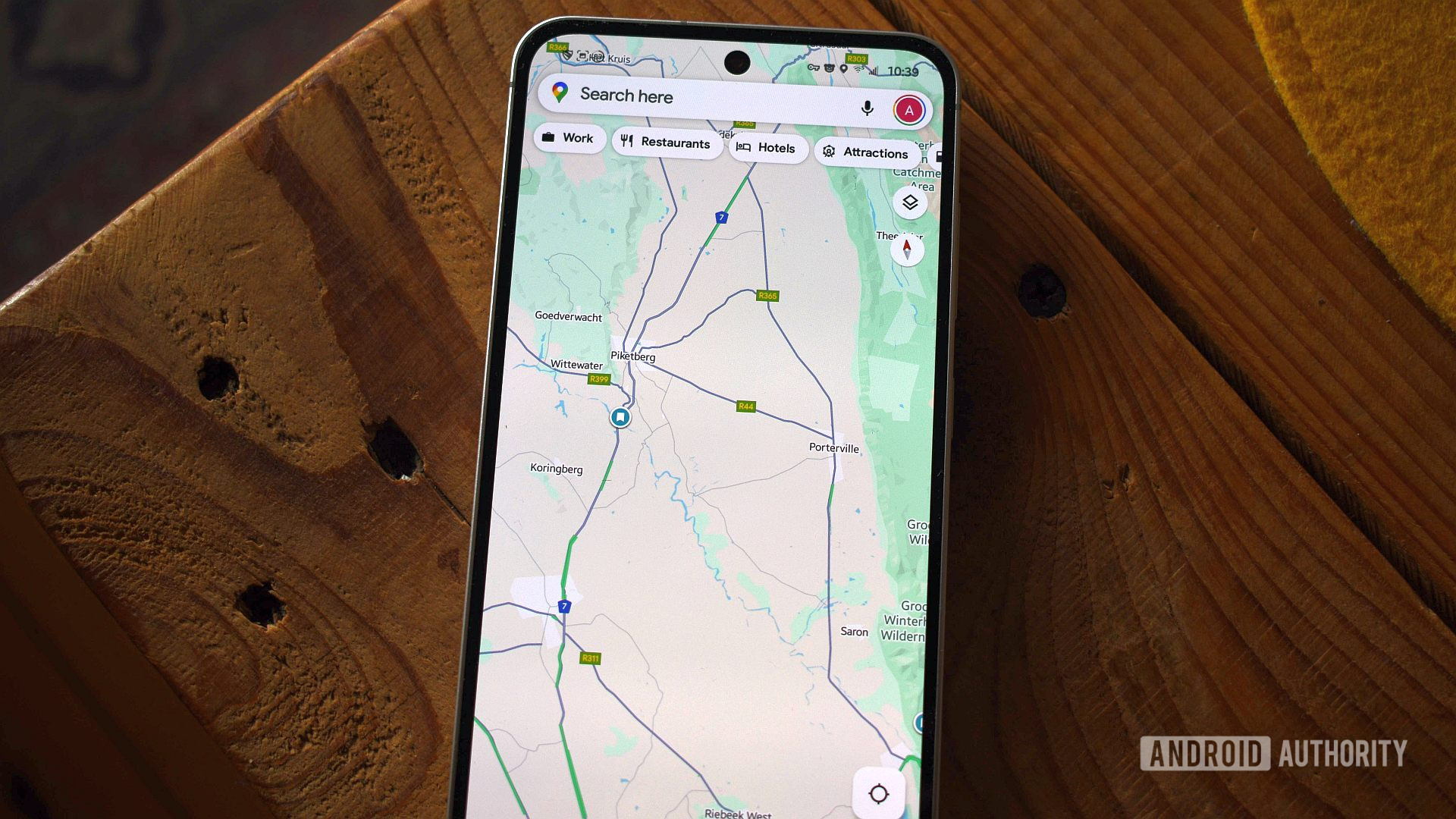
Google Maps is a great navigation app, but if you’re privacy-minded, OsmAnd is worth a look. It’s fully offline, and it’s often more accurate than Google Maps for rural roads and similar conditions, provided you keep the maps updated. The open-source software doesn’t track your location or sell your data, and it’s excellent for outdoor use, with support for hiking trails, bike routes, and similar overlays.
OsmAnd is also extremely customizable, which is simultaneously its greatest strength and its biggest weakness. There is such a thing as too customizable, and the learning curve here is genuinely steep.
Beyond that, OsmAnd can be rigid when it comes to addresses and location searches. One small mistake and you get zero results. Long-distance route calculations often take more processing time than you’d expect, and live traffic data is very limited given its offline-first design.
If you prefer simplicity, you’ll probably want to look elsewhere. I personally use Organic Maps now when I want an offline-first navigation experience. It isn’t as deep or as customizable, but it’s considerably easier to use.
Don’t want to miss the best from Android Authority?


Thank you for being part of our community. Read our Comment Policy before posting.




GIPHY App Key not set. Please check settings