
Brady Snyder / Android Authority
After over a decade, OnePlus is no more. Well, at least in North America and Europe, that is. OnePlus was always a brand for enthusiasts first and foremost, though it certainly did its best to expand beyond this with early efforts to work with carriers like T-Mobile.

The OPPO-owned company’s decision to narrow its focus to the Asian market has been framed as part of a broader global strategy that will reallocate resources to markets where it can have the greatest impact. These kinds of vague explanations really say very little, but the gist is that the US (and European) market became more trouble than it was worth.
OnePlus’ exit might be sad news for fans in Europe, but for the US, it means our already extremely limited smartphone market has just shrunk even further. These days, American buyers pretty much have Apple, Samsung, Google, Motorola, and a smattering of (relatively) lesser-known brands like Blu and TCL.
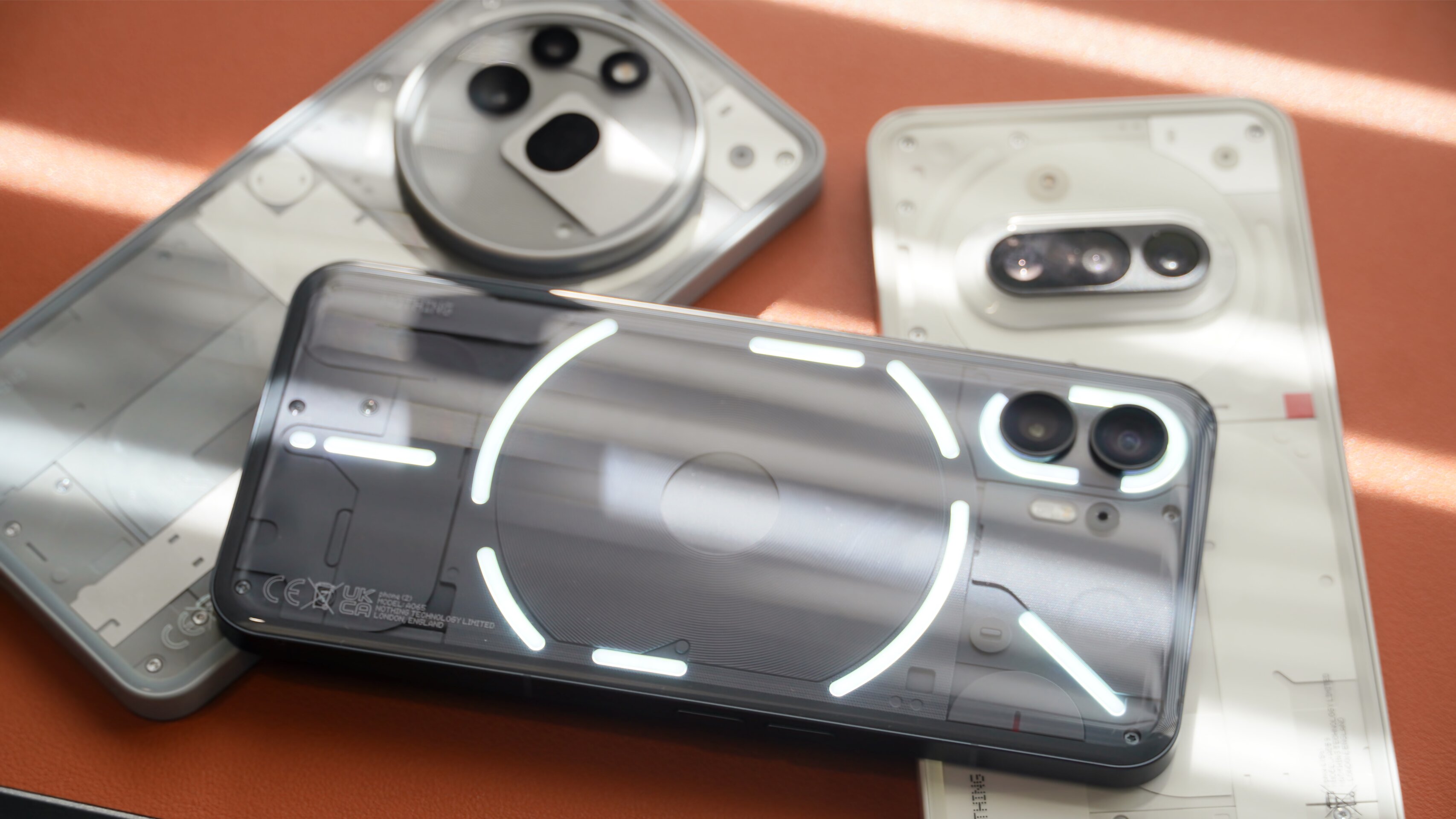
This makes me worry: could Nothing be next?
Will Nothing end up following OnePlus out of the US market?
0 votes
Yes, small players like this will all fold eventually.
NaN%
Not sure, it could happen but I hope it doesn’t.
NaN%
No, Nothing’s strategy should allow it to keep afloat.
NaN%
Other (Let us know in the comments)
NaN%
How Nothing’s situation feels similar to OnePlus
Nothing might be a fun, enthusiast-focused brand known in circles like Android Authority, but it’s far from mainstream.
A smaller player has to be more careful of the moves it makes, and we’ve already seen Nothing become fairly selective about what actually makes it to the US. For example, the Nothing 4a and 4b are not available in the US at all. Even the models that do exist here often have incomplete carrier support.
This situation is pretty familiar to anyone who followed OnePlus in the past. In fact, there are many ways in which Nothing’s situation feels similar.
Both OnePlus and Nothing have struggled with US carrier support
Edgar Cervantes / Android Authority
While many markets focus primarily on unlocked devices, most US shoppers buy through a carrier. That means skipping carrier support not only impacts your ability to ensure proper whitelisting and band compatibility, but it also means missing out on carrier-supported marketing.
What happens when you don’t court the carriers in the US? No carrier ads that mention great deals on Nothing devices, and no customer reps to point the brand out to unfamiliar customers. Your company has to find other ways to advertise itself and stand out. You also run into potential reputation issues among less tech-savvy customers, as they may assume that if a brand isn’t in carrier stores, then it must be a low-tier option that isn’t worth taking seriously.
It’s not just that Nothing lacks retail partnerships with the big carriers; the bigger problem is that Nothing phones are built with support for a wide range of common bands, but that means they sometimes miss rare but critical US bands. Activating a Nothing phone will often be a pain, depending on the carrier.
OnePlus and Nothing have both struggled with carrier support, though that’s been somewhat intentional on Nothing’s part.
Verizon more or less completely blocks Nothing devices due to the lack of LTE band 13, while AT&T has better band support but has only whitelisted a few select models, meaning that getting devices to work is a bit hit-or-miss or requires deeper workarounds. T-Mobile is by far the best carrier to pair with Nothing, as 5G and all the other features typically work well. But even here, you might find some features work less reliably, like visual voicemail or VoLTE calls.
Sound familiar? OnePlus also struggled with carrier whitelisting and missing bands, especially in its early years. Unlike Nothing so far, it eventually worked more directly with a few carriers, like T-Mobile, to help resolve this issue, but even that was uneven at best. It also resulted in an increasingly tighter lineup of OnePlus devices compared to other markets. The tepid carrier support here is often cited as one of the things that ultimately led to OnePlus’ decline.
Both companies have the same founder connection
Paul Jones / Android Authority
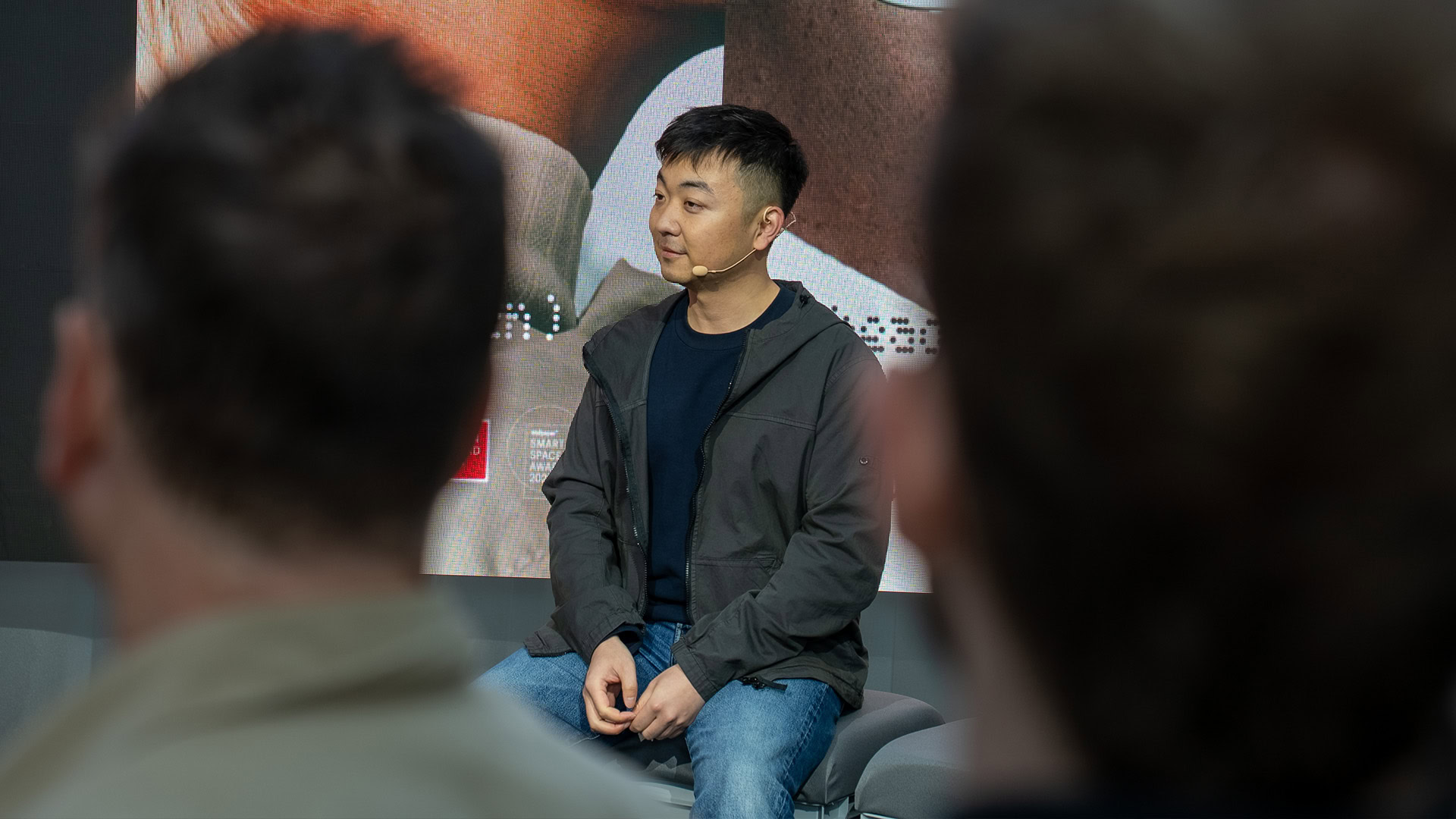
It’s not just that both OnePlus and Nothing had to establish themselves in an already heavily established smartphone market and have run into the same carrier-related obstacles along the way. The companies even share a founder.
Both companies involved Carl Pei, but Nothing’s structure differs in several ways.
OnePlus was founded by Carl Pei and Pete Lau, though it was always under the OPPO umbrella, and even early in its history, it did its best to hide this connection. Meanwhile, Nothing is based out of London and was founded by Carl Pei. While it still has connections to China and India for manufacturing and more, this time around, Pei’s company isn’t just a bigger Chinese brand cosplaying as a smaller independent body.
Having the same founder doesn’t make Nothing a direct successor to OnePlus, but it does mean some of their general strategy (and struggles) are going to be familiar.
A few other ways the companies feel similar
Stephen Radochia / Android Authority
While the founder and the tepid carrier support are two of the biggest things that feel familiar here, that’s far from the only commonality.
Both companies also target the same general audience: tech-savvy users who want a high-quality phone experience without paying top dollar. Likewise, both brands are known for a software philosophy that embraces minimalism and reduces bloat, adding special features only when they really matter.
Finally, Nothing and OnePlus saw themselves as disruptors, doing their own thing rather than just being exact mirrors of the bigger smartphone players. This is a good way to make a splash, but it also means you are constantly pushing to prove your unique strategy.
Where Nothing diverges, and why it matters
Paul Jones / Android Authority
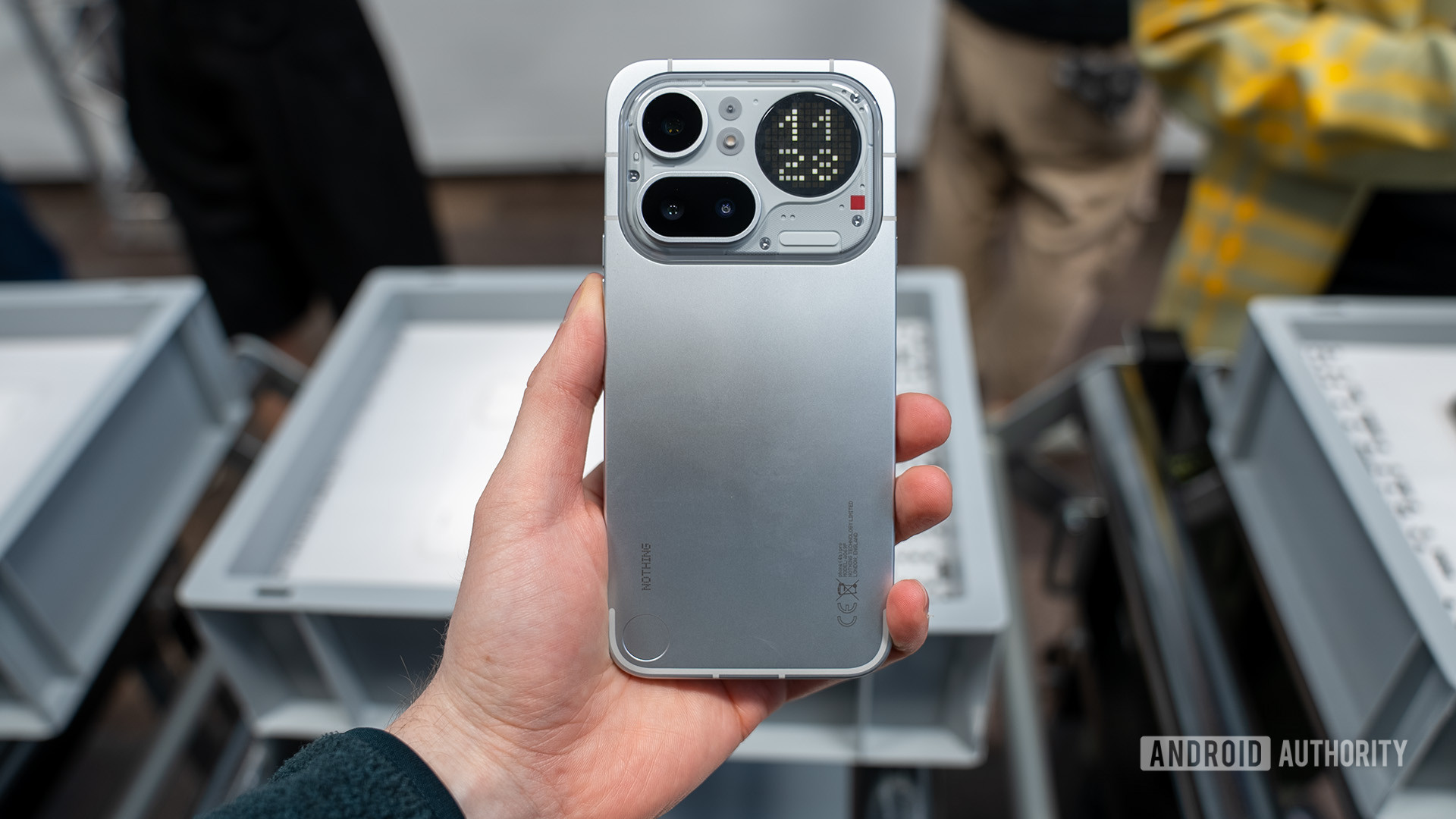
As much as Nothing and OnePlus have in common, there are some very real differences here, too. For one, unless he’s left with no choice, Pei is less likely to abandon his original vision, as OnePlus arguably did when it attempted to gain a bit more mainstream recognition.
In fact, part of why Carl Pei left was due to disagreements over how closely OPPO’s design and philosophy should be integrated into the OnePlus brand. As we’ve established, Nothing is an independent company, so there’s no giant parent waiting to absorb it if it doesn’t shine bright enough. Of course, that’s not where the differences end.
Like Pixel, Nothing mid-rangers don’t feel very mid-range
Sanuj Bhatia / Android Authority
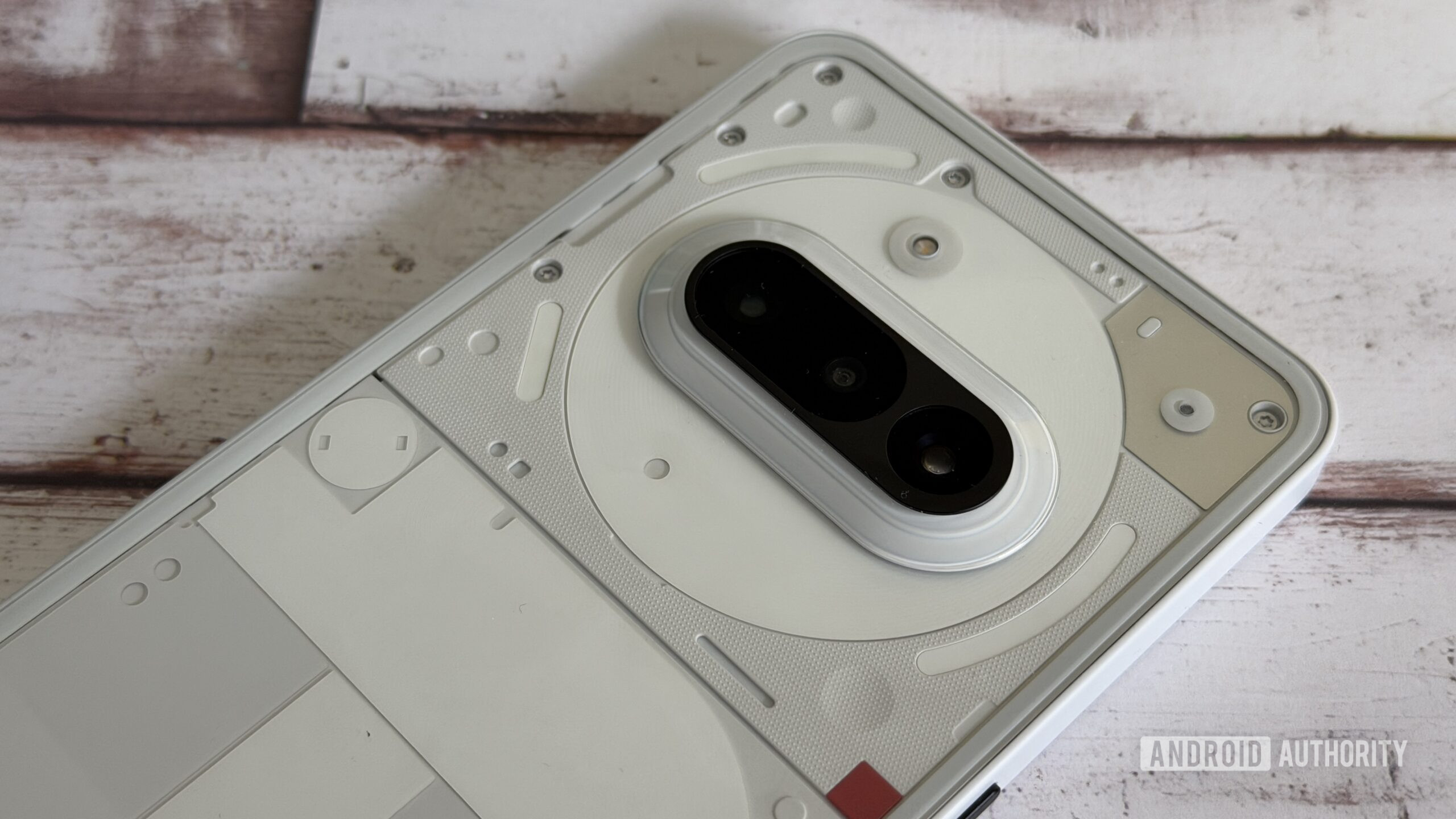
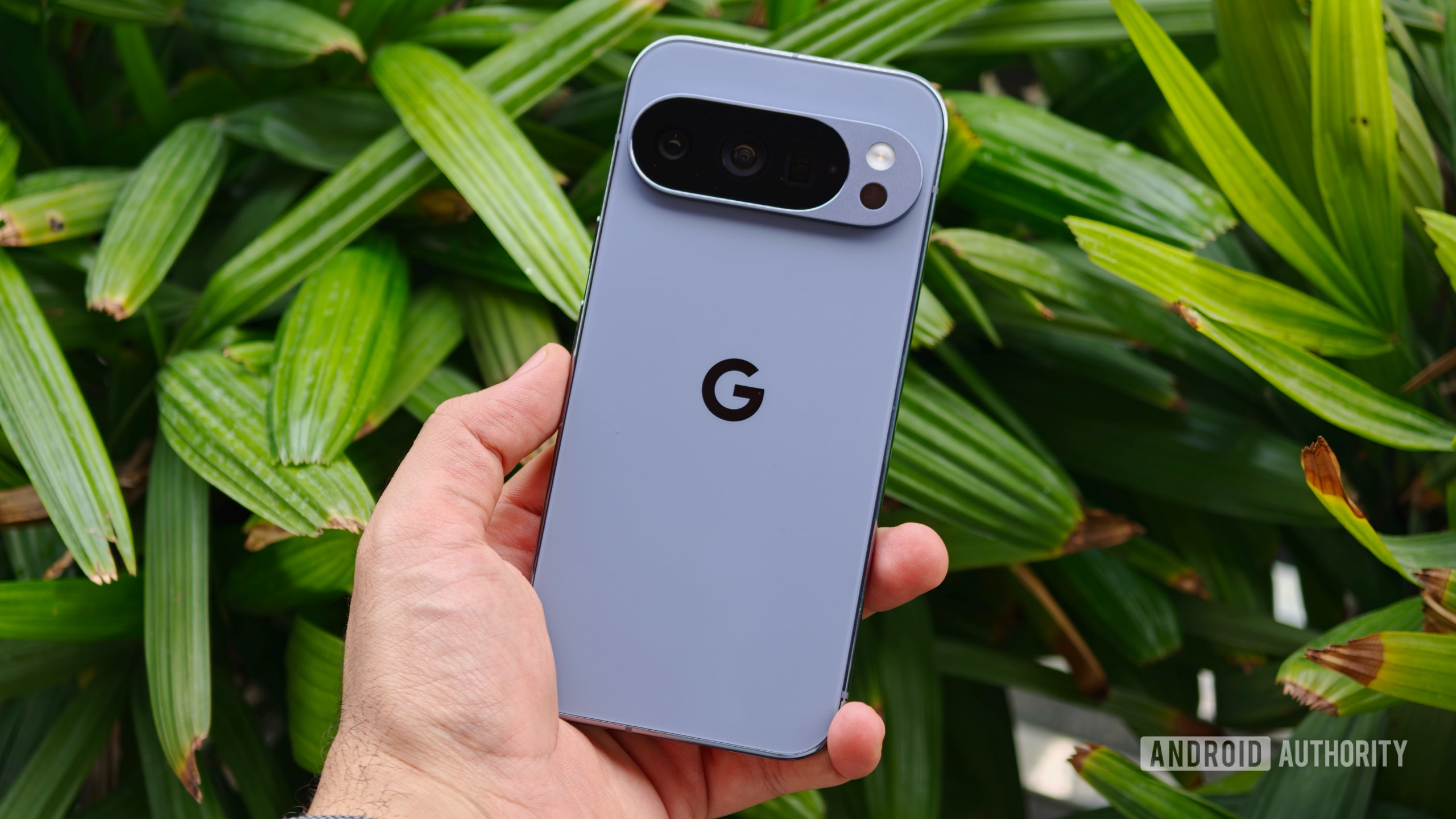
While OnePlus chased high-end specs at a low price, Nothing targets a lower-than-flagship price, but it also tends to focus less on bleeding-edge specs and more on creating a unique experience with more mid-range components. For example, the Nothing Phone 3 was Nothing’s last attempt at a flagship, and even it had a Snapdragon 8s Gen 4 processor instead of a higher-end version like the Snapdragon 8 Elite. The company plans to eventually release another more flagship-level device in 2027, but this year, its newer Nothing Phone 4a Pro settles for a more modest Snapdragon 7 Gen 4 chip.
The Nothing Phone 4a Pro might not qualify as a flagship in terms of raw power, but it still shines brighter than most mid-range phones. Not only does it feature a unique aesthetic centered on its Glyph Matrix notification display, but it also adds features you don’t usually find in mid-range devices, like a 50MP periscope zoom camera. In many ways, the Nothing Phone 4a Pro gives me a vibe similar to the Google Pixel 10a. In other words, it is a mid-ranger that stands out and turns heads in a way that’s usually reserved for higher-spec’d devices.
It doesn’t have the same China-US problems as OnePlus did
Shimul Sood / Android Authority
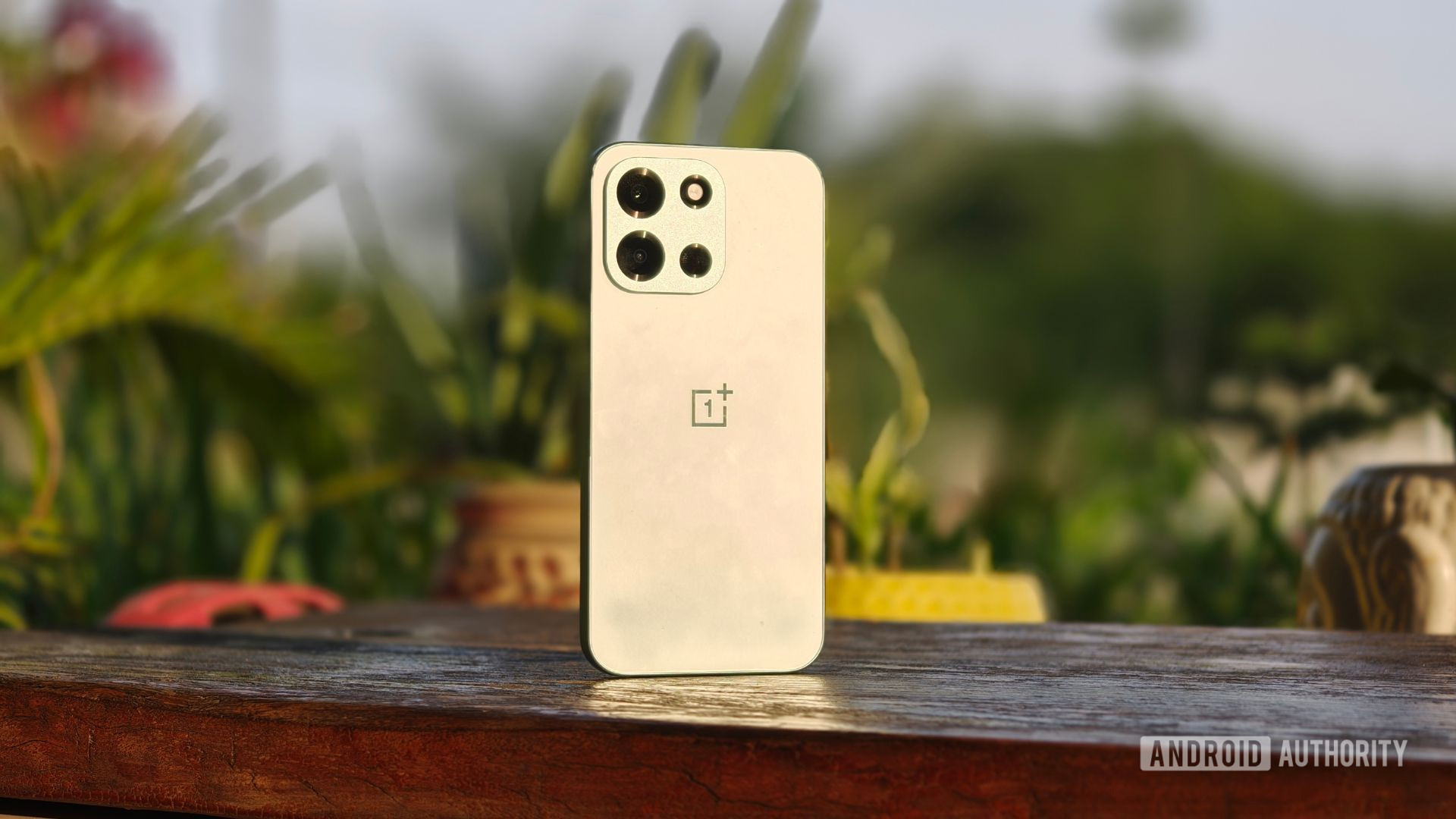
Huawei and many other brands have left the US over the years, largely due to tensions between the US and Chinese governments. In fact, OnePlus was created largely to overcome some of the obstacles its parent, OPPO, would have faced if it had attempted to launch directly.
Despite the founder connection, Nothing doesn’t have the same China-US baggage as OnePlus did.
It’s true that Carl Pei and others in the company have heavy industry connections in China, India, and other parts of Asia, but so does Apple and pretty much every other smartphone company out there. That makes Nothing much more resistant to some of the US-China drama that obviously affected OnePlus and other China-based companies.
Nothing is a niche brand, and the company seems to be okay with this
Andy Walker / Android Authority
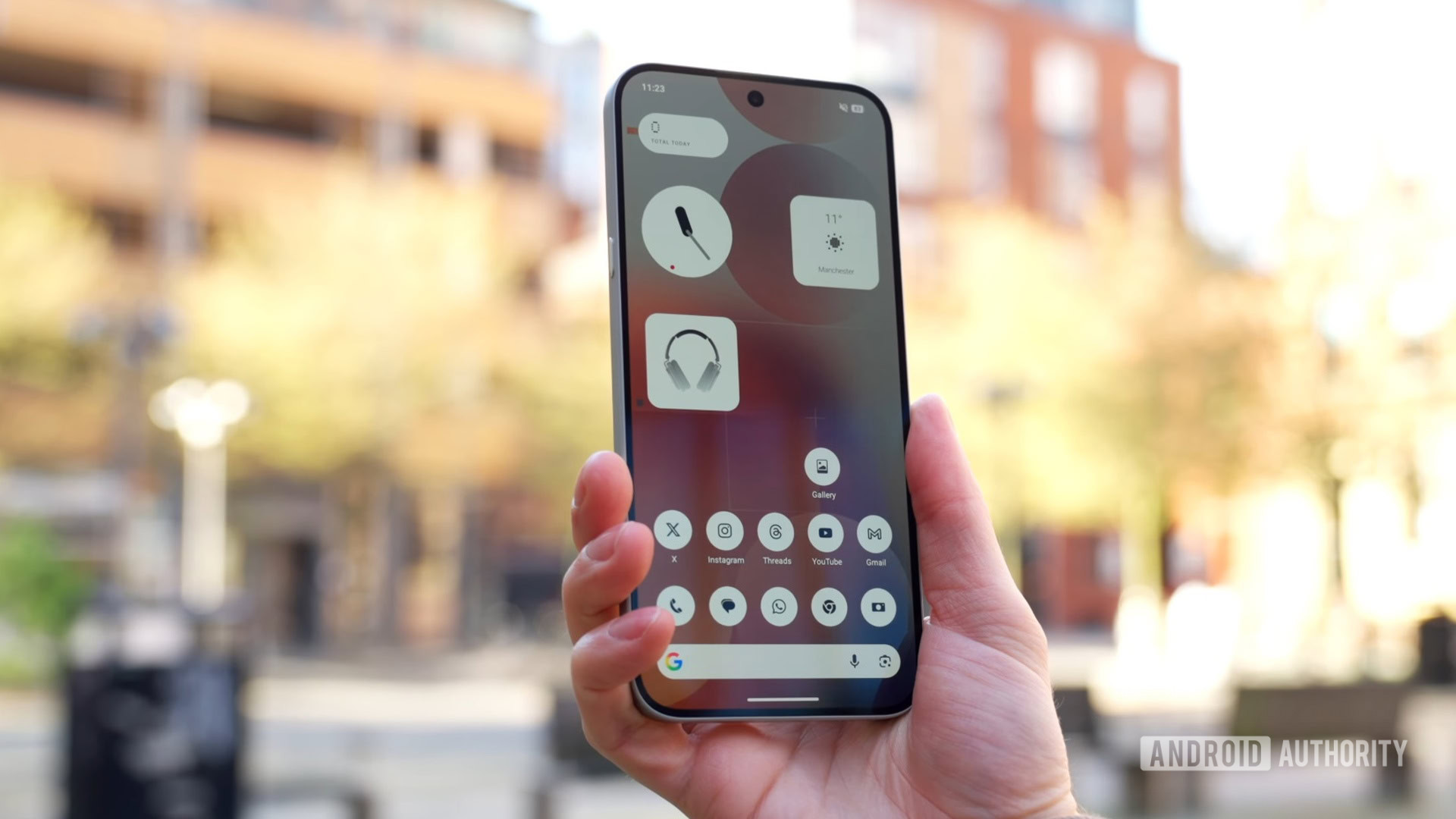
OnePlus tried to break into the carrier market about four years into the company’s life, but this didn’t last. Its relationship with Verizon lasted about two years, while T-Mobile retail support ended around 2022. Despite being around for six years now, Nothing has never tried to do the same. In fact, it’s actively avoided it so far, likely due to the costs and hassle involved.
Nothing seems content with being a lifestyle brand that encourages direct shopping and customer loyalty. This might be a more limited market, but it’s also a lot less risky and more stable long-term by comparison.
As mentioned before, Nothing also tends to be more selective with its components. Instead of just going for the very best on paper, it mixes mid-range and higher-end approaches to create something unique that might not be the most powerful under the hood, but is more than capable of a great day-to-day experience for less money.
Will Nothing go the way of OnePlus, or is there less to worry about?
Paul Jones / Android Authority
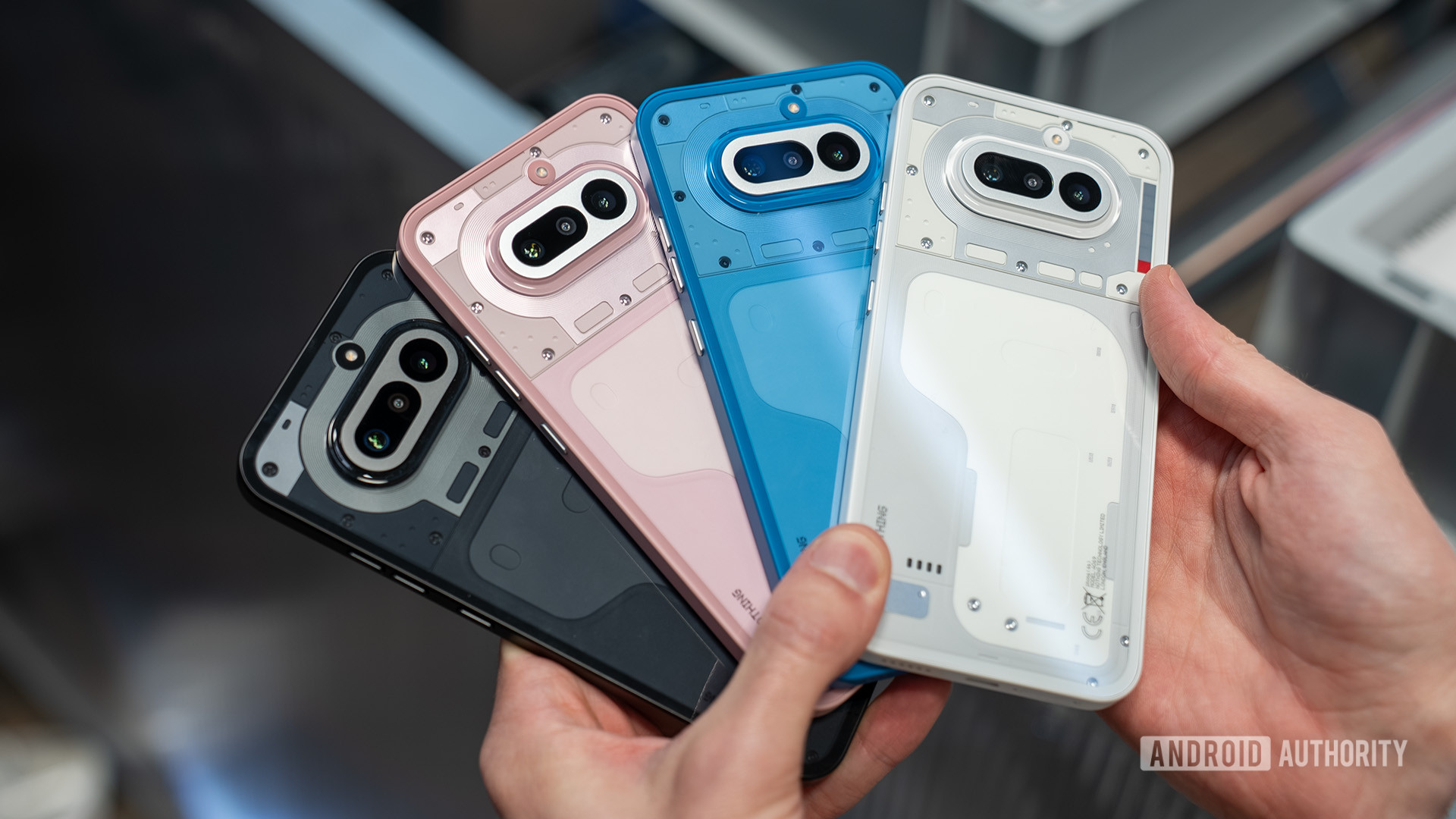
So, are Nothing’s days numbered in the US market? When I first started writing this piece, I would have said it could go either way. That’s still true, but I’m a bit less confident now. A new rumor recently popped up claiming that Nothing could bow out of the US market within a year. Nothing’s co-founder, Akis Evangelidis, has already denied this rumor, instead saying the company was going through a reorganization to operate more efficiently.
While these words might seem reassuring, it’s important to remember that OnePlus also denied it was shutting down back in January. Technically, this wasn’t a lie, as the company will continue in India. But OnePlus knew what it was doing by denying the rumors rather than confirming its plans. It wasn’t ready to announce anything until its plans were concrete.
It’s at least possible this could be the case for Nothing as well. “Reorganization” is more or less exactly how OPPO billed the changes coming to brands like OnePlus and realme, after all.
Nothing is already narrowing its phone releases in some markets, but it is too early to say if this is a sign of a bigger issue or just smart product management.
Of course, it could be that Nothing just wants to optimize its product line to ensure it releases products that make sense for every market it operates in. This is somewhat true of how it has always operated, and I can understand that having too many “similar” devices in one market could confuse customers.
Paul Jones / Android Authority
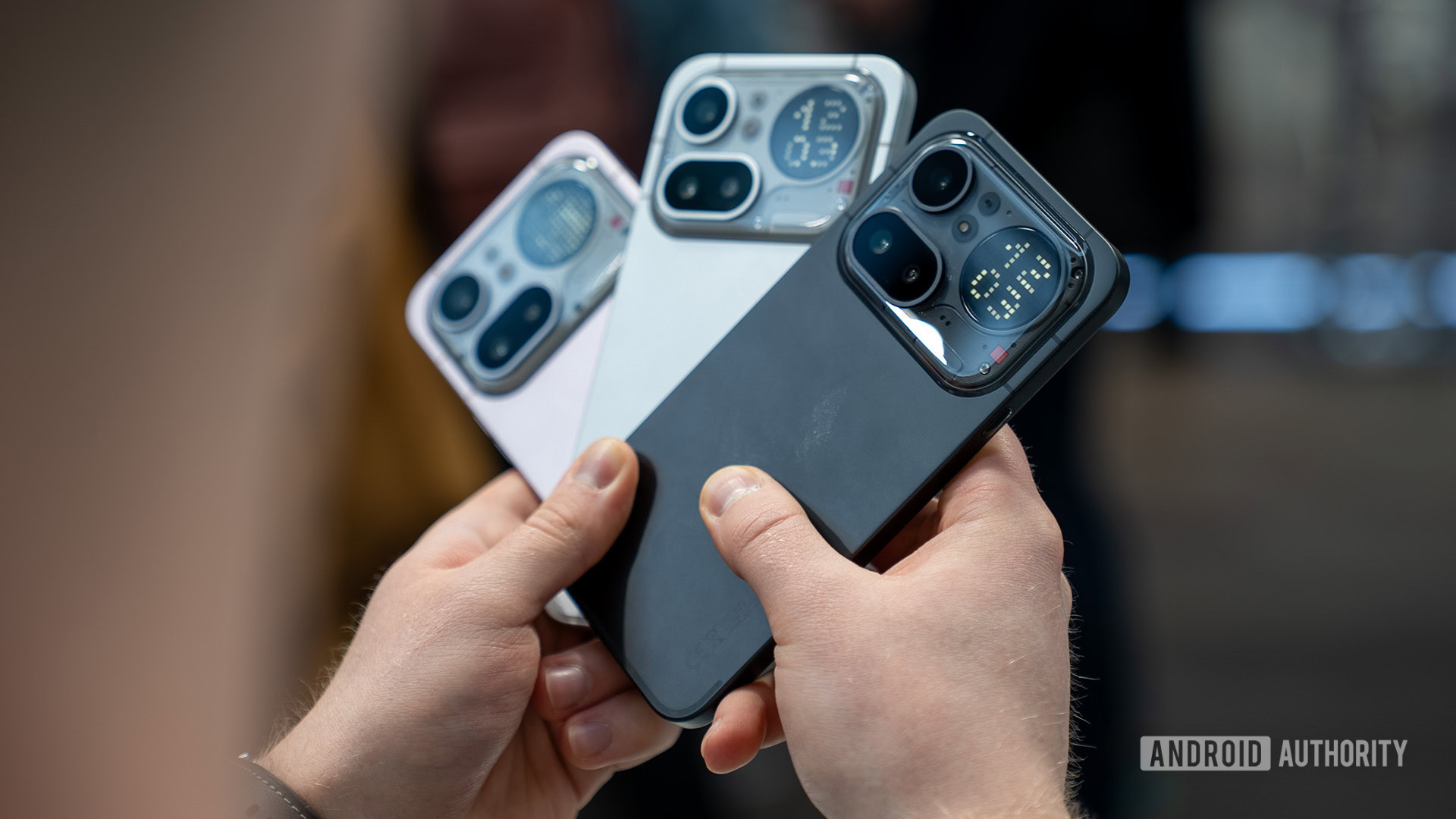
The truth is that we just don’t know how Nothing’s future will unfold right now. The US market is a competitive place, but Nothing’s lifestyle brand approach and more timid marketing keep customers loyal and costs down. The kind of customers who go after Nothing are also more educated about the phone market and understand how few options exist in the US. There’s more incentive for these consumers to keep buying just to keep another brand on the market.
That said, things change quickly. Running a smaller company has its own challenges, and there are no guarantees that it won’t run into larger problems that its smaller budget can’t buy its way out of, as Apple or Samsung could. I really hope Nothing not only stays on, but actually pushes harder into the US market. But really, if we want the brand to stay, that means we need to vote with our dollars.
Personally, OnePlus bowing out is just one of the reasons I’m strongly considering a Nothing device for my next phone. Nothing might not be perfect, but we can’t afford to lose another Android brand — especially one that thinks differently from the rest and actually manages to introduce features no one else offers.
Nothing Phone 4a Pro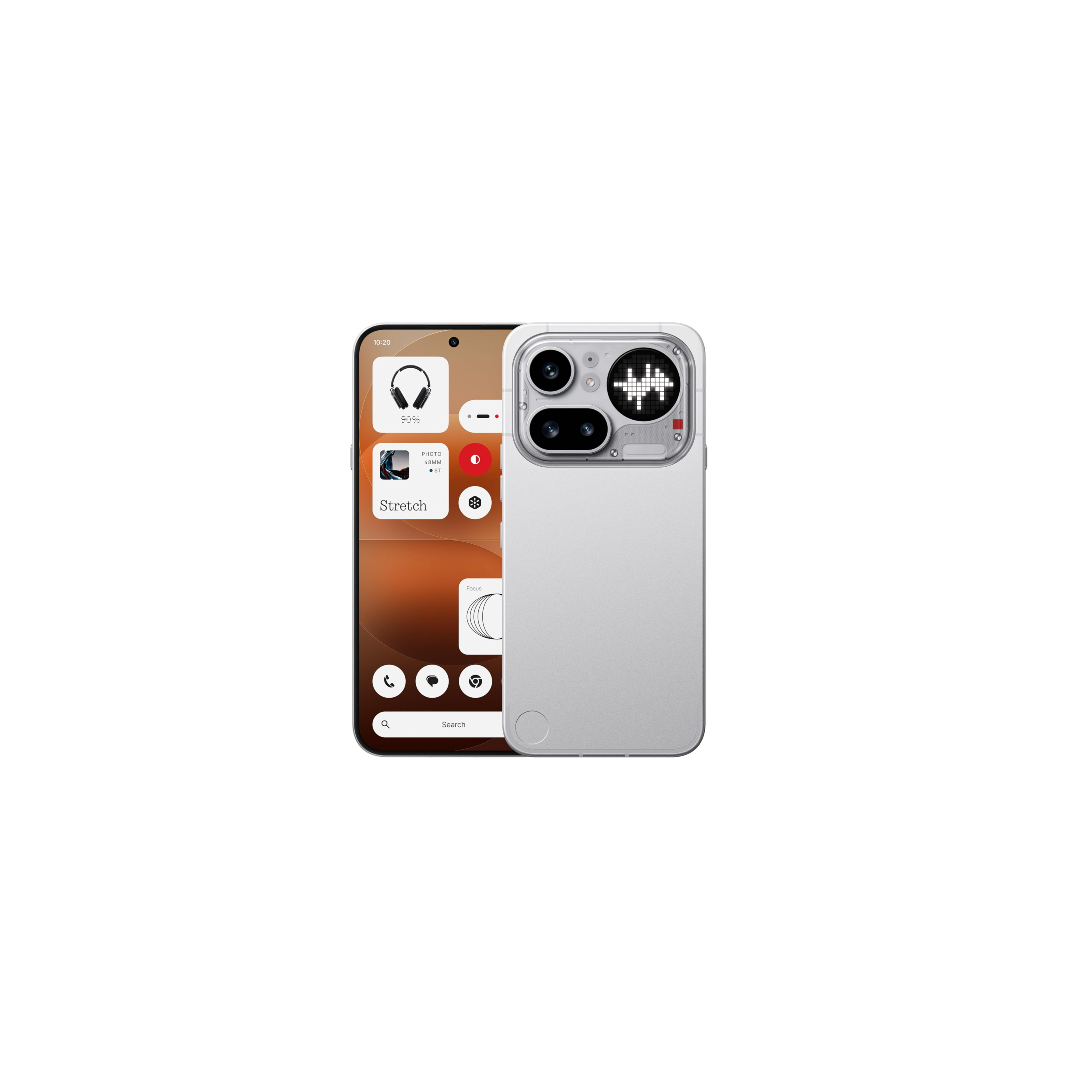
 Nothing Phone 4a Pro
Updated aluminum design • Larger Glyph Matrix • New chipset
The Nothing A series goes official in the US
The Nothing Phone 4a Pro is a standout mid-range phone with a bold Glyph Matrix design, Snapdragon 7 Gen 4 performance, and a 144Hz AMOLED display — paired with a versatile triple-camera system including a 50MP periscope zoom, all aimed at delivering flagship-style features at a $499 price point.
Thank you for being part of our community. Read our Comment Policy before posting.




GIPHY App Key not set. Please check settings