
Forty years ago, legendary photographer Annie Leibovitz highlighted the artistic athleticism of soccer players in a campaign for the 1986 FIFA World Cup. Ahead of this year’s World Cup—the largest in the tournament’s history, with 48 soccer teams gathering in North America— Leibovitz created another photography series, this time featuring stars of the U.S., Canadian, and Mexican teams. In the arresting photos, athletes, including Christian Pulisic and Jonathan David, are captured mid-kick or tossing their bodies in the air.
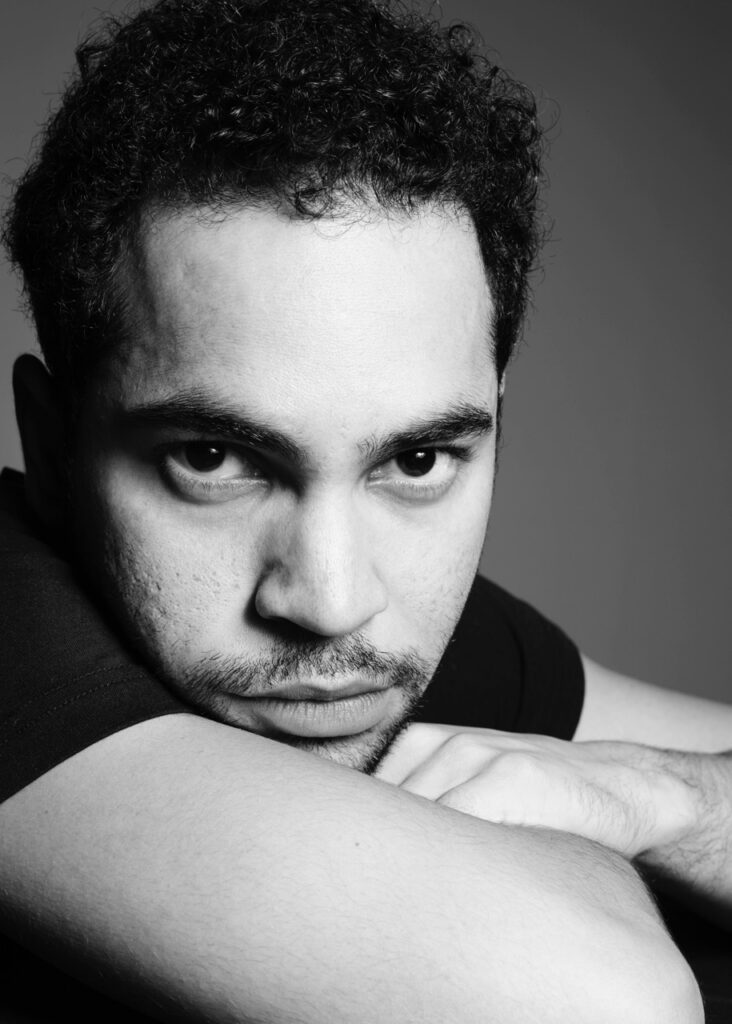
Jorge Dorsinville. Photo by Terry Tsiolis, courtesy Dorsinville.

If you sense a dancer’s eye behind these images, you’re not wrong. Leibovitz invited creative movement director Jorge Dorsinville to help the athletes “translate the language of soccer into a visual language that could live inside a still image,” as Dorsinville puts it. Originally from Brazil, Dorsinville’s background includes a performing career with Balé Teatro Castro Alves, choreography for musician Robyn, and movement direction for major fashion shows. He connected with Leibovitz through his past collaborators, which include Balmain, Chanel, Brooke Shields, Vogue, and Vanity Fair.
The FIFA World Cup 2026 images are on exhibit at the Museo Nacional de Antropología in Mexico City through August 30. Dorsinville took a moment to discuss the project’s creative process.
What was it like collaborating with Annie Leibovitz?
Annie has a remarkable sensitivity and an almost magical ability to find meaning in the smallest details. Her vision touches every aspect of an image. What impressed me most was how clearly she understood the role movement could play in the storytelling. Annie wasn’t simply interested in creating beautiful portraits; she was interested in revealing something truthful about these athletes.
The project aimed to show the expressiveness of athletes’ bodies. How did you approach that task?
One of the things I admire most about Annie’s work is her ability to reveal the human being behind the public figure. For me, movement became a bridge into that humanity. Movement allowed us to go beyond the idea of the athlete as a symbol of performance and into the realm of identity. A gesture, a posture, a rhythm, a way of standing still—these things can reveal character in ways words sometimes cannot.
How did you translate movement in a way that connected with the athletes?
I never wanted (the athletes) to perform fashion poses. Instead, I looked for movement rooted in their own experience: the way they prepare before competition, the way they stand as leaders, the way they carry focus, determination, or pride. Instead of telling someone where to place their arm, I might ask them to reconnect with a feeling, a memory, or a mindset they experience before stepping onto the field. Athletes already possess extraordinary physical intelligence. My role is simply to translate that intelligence into a visual language that works for photography.
 Obed Vargas. Photo © Annie Leibovitz, courtesy Fundación Televisa, Fundación Coppel, and
Diez Morodo Foundation.
What was most surprising about working with the athletes, and what was most challenging?
What surprised me most was how open many of the athletes were to creative exploration. They were curious. They were willing to play. They understood instinctively that movement could be a storytelling tool. Many of them approached the process with the curiosity of artists.
The challenge was helping them step into a world that is very different from competitive sports. On the field, they are trained to focus on performance and results. In an editorial environment, the objective shifts toward expression, presence, and storytelling. Finding the bridge between those worlds was one of the most rewarding parts of the process.
The post Creative Movement Director Jorge Dorsinville on Helping Annie Leibovitz Capture the Artistry of World Cup Athletes appeared first on Dance Magazine.




GIPHY App Key not set. Please check settings