
Brazil’s commercial real estate market is showing mixed signals. Official data from the FipeZAP index reveals that in May 2025, prices for buying small office spaces rose by just 0.18%.
Meanwhile, rents for these spaces increased by 0.62%. Both numbers are lower than the previous month, suggesting the market is slowing down a bit. Over the past year, rents for commercial spaces have jumped by 7.3%.

This is higher than Brazil’s main inflation rate, which was 5.32%. In contrast, the price to buy these properties only grew by 1.42% in the same period.
This means that renting out commercial property has become more profitable, while buying and selling has slowed. Some cities stand out. Curitiba saw the biggest jump in sale prices, up 12.55% over the year.
Niterói led in rental increases, with rents rising 19.18%. São Paulo remains the country’s most expensive market, with average sale prices at R$10,290 per square meter and rents at R$56.43 per square meter.
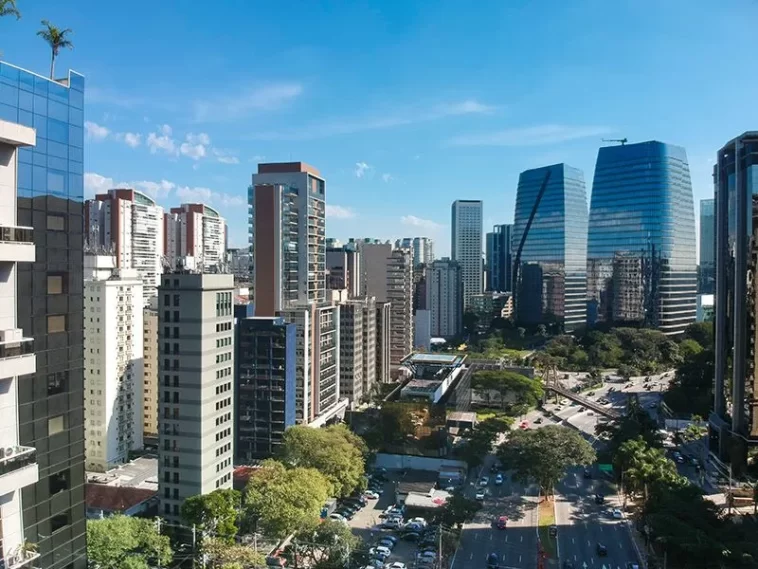
 Brazil’s Commercial Property Rents Outpace Inflation, But Sales Slow. (Photo Internet reproduction)
Investors find commercial property attractive because the average rental return is 6.87% per year, which is higher than the 5.93% return from residential properties. Salvador offers the highest rental yield at 10.05% per year.
Brazil’s central bank has raised interest rates since late 2024 to fight inflation. Normally, this would slow down both sales and rentals. So far, only rent growth has eased a bit, while sale prices have barely moved.
Strong job numbers and retail sales are helping keep demand for commercial spaces steady. The big story is that owning commercial property in Brazil is still a good way to beat inflation, especially for landlords and investors.
For businesses renting space, however, rising rents mean higher costs. The market’s future will depend on how the economy, interest rates, and business demand evolve.


GIPHY App Key not set. Please check settings