
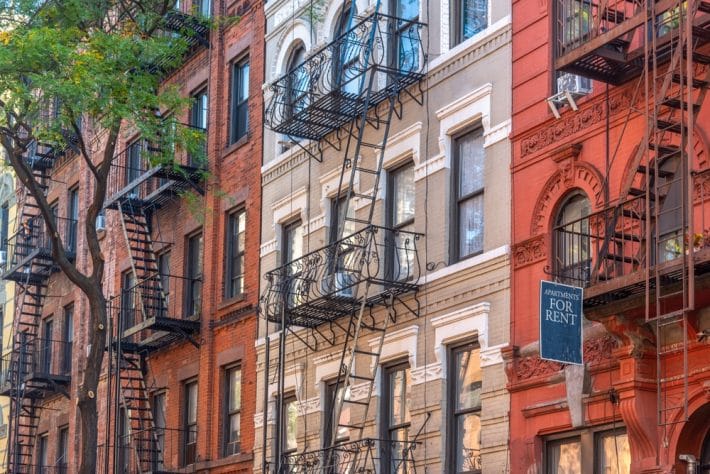
New York City’s SCRIE program can freeze certain rent increases for eligible seniors, helping protect fixed-income households from rising housing costs. Gabriele Maltinti/Shutterstock
Depending on where you live in New York, rent prices can be astronomical. In NYC, the average rent price hovers around $4,176 per month. As a rule of thumb, it is recommended that your annual gross income is at least 40x the amount of your monthly rent. To comfortably afford the average price of an apartment in NYC, ideally, you’d make $167,040 a year. But the average annual income in the city is only $127,894. Many people are scraping by.
Then, every year, many people are faced with rent increases that they truly cannot afford. And if you’re on a fixed income, things are stretched thin even more. Seniors who rely primarily on Social Security or retirement savings are barely making it. That’s why New York City’s Senior Citizen Rent Increase Exemption (SCRIE) program continues to attract attention from eligible renters looking for relief. The program can freeze rent increases for qualifying seniors living in certain regulated apartments, helping them remain in their homes while controlling housing costs. Here’s what you need to know about the program and how to determine if you’re eligible.

You Must Meet the Minimum Age Requirement
To qualify for SCRIE, at least one member of the household generally must be age 62 or older. According to the official NYC websitethe applicant must also be named on the lease, have succeeded to the lease, or otherwise be recognized as the tenant of record. Some seniors mistakenly assume all household members must meet the age requirement, but that is not the case.
There are also income limits. Current SCRIE guidelines generally require annual household income to remain at or below established program limits. Income calculations include various sources of household income, which means applicants should carefully review program definitions before applying.
Income limits change over time, so it’s important to verify eligibility every year. You may make too much this year, but you could qualify in 2027, depending on the changes that are made to the program.
Not Every Apartment Is Eligible
Another important New York rent-freeze rule is that the apartment itself must generally qualify. SCRIE typically applies to rent-regulated apartments, rent-controlled units, certain Mitchell-Lama developments, and some other eligible housing categories.
Seniors living in market-rate apartments often assume the program automatically applies to all rental housing, which is not the case. Determining whether a building qualifies is one of the first steps in the application process. You can contact housing agencies or review lease documentation to pinpoint if you are eligible.
Rent Must Represent a Significant Share of Household Income
The SCRIE program is designed to assist seniors whose housing costs place meaningful pressure on their budgets. Generally, applicants must demonstrate that they pay at least one-third of their household income toward rent.
This requirement helps target assistance toward renters facing greater housing affordability challenges. Seniors living on fixed incomes often meet this threshold, particularly in New York City’s expensive housing market. Reviewing rent and income records before applying can help determine whether this requirement is satisfied.
The Program Freezes Certain Rent Increases Rather Than Eliminating Rent
A common misconception is that SCRIE eliminates rent obligations altogether. In reality, the program generally freezes eligible rent increases while allowing tenants to continue paying their existing rent amount. Property owners receive tax abatements from the city to offset the frozen increase. This structure allows seniors to remain in their homes without absorbing certain future rent hikes.
Disability Rent Freeze Programs May Also Be Available
Some New Yorkers who do not qualify based on age may qualify through related programs. The Disability Rent Increase Exemption (DRIE) program offers similar protections for eligible renters with disabilities. Households sometimes overlook these options because they focus exclusively on age-based eligibility requirements. Exploring all available programs may help households find relief from rising rental costs.
Housing Stability Can Be Just as Important as Retirement Income
For many retirees, controlling housing costs is one of the most effective ways to protect a fixed income. New York’s SCRIE program offers eligible seniors an opportunity to reduce the impact of future rent increases and maintain greater financial stability. However, qualification depends on understanding the rules related to age, income, apartment eligibility, rent burden, and ongoing renewals. Additionally, you may have to apply for and renew benefits periodically to maintain your rent freeze. This program can make a profound difference in your household’s overall financial health.
Have you or someone you know benefited from a rent-freeze program like SCRIE, or are rising housing costs becoming a concern in retirement? Share your thoughts in the comments below.
What to Read Next
How Some New York Seniors Cut Their Home’s Taxable Value by 65%
New York’s 2026 Tax Break Lets Cities Slash Up to 65% Off Seniors’ Home Values — But You Have to Ask for It
New York Alert: Medicare Covers 12 Preventive Screenings at $0 — But Most Seniors Skip Half

Drew Blankenship is a seasoned personal finance and lifestyle writer with more than a decade of professional writing experience crafting clear, actionable advice that helps savers and investors over 40 protect their wealth and make smarter everyday decisions. His bylines appear regularly on SavingAdvice.com, CleverDude.com, and other respected outlets, where he draws on deep industry knowledge to deliver practical insights on cost control, smart spending, and long-term financial security.




GIPHY App Key not set. Please check settings