
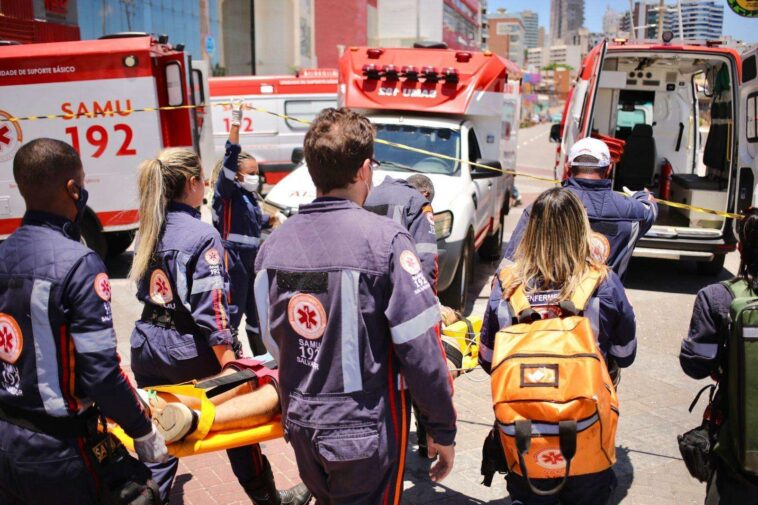
The first clue is often blurred vision. In São Paulo this year, people left bars feeling off—headache, nausea, then a snowstorm in their sight.
By the time they reached emergency rooms, some were already losing their vision. Doctors knew the culprit: methanol, an industrial alcohol that sometimes slips into counterfeit or “stretched” spirits because it’s cheaper than drinkable ethanol.

This is not a Brazilian anomaly. Brazil has seen it before—most memorably in Bahia in 1999, when dozens died.
Across Latin America the pattern repeats whenever legal supplies are tight or enforcement slips: Costa Rica in 2019, Mexico during early COVID restrictions in 2020, Peru in 2022, and Colombia more recently.
Russia has suffered some of the deadliest episodes—Irkutsk in 2016, Orenburg in 2021, and new clusters since—often tied to fake vodka or industrial fluids relabeled as drink.
Why it keeps happening is the story behind the story. The economics are brutal and simple. Methanol costs less, counterfeiters profit more, and refilled bottles with convincing labels can pass in dimly lit venues.

Silent Shots: The Global Story Behind Brazil’s Methanol Poisonings
In a bar or corner shop, taste won’t protect you; methanol is colorless and its bite is easy to miss. Inside the body, though, it’s unmistakable: the liver converts it to formic acid, which attacks the optic nerve and drives life-threatening acidosis.
Without rapid antidotes—fomepizole where available, or ethanol protocols—and, in severe cases, dialysis, patients can die within days. Those who survive may be permanently blind.
Stopping this requires treating it like a supply-chain crime with medical consequences. Health authorities need rapid alerts, test kits, and the power to seize suspect stock quickly.
Hospitals must keep antidotes on hand and train staff to recognize early signs. Police and prosecutors should target bottling rings and print shops that churn out fake labels, not just street sellers.
Consumers can lower their odds: buy sealed bottles from licensed vendors, refuse decanted or unusually cheap pours, and seek emergency care immediately after any visual changes.
These deaths are not accidents; they are the predictable outcome of a market that rewards cutting corners.
The fix is also predictable: align policing, public health, and consumer vigilance so a night out doesn’t end in blindness—or a funeral.



GIPHY App Key not set. Please check settings