
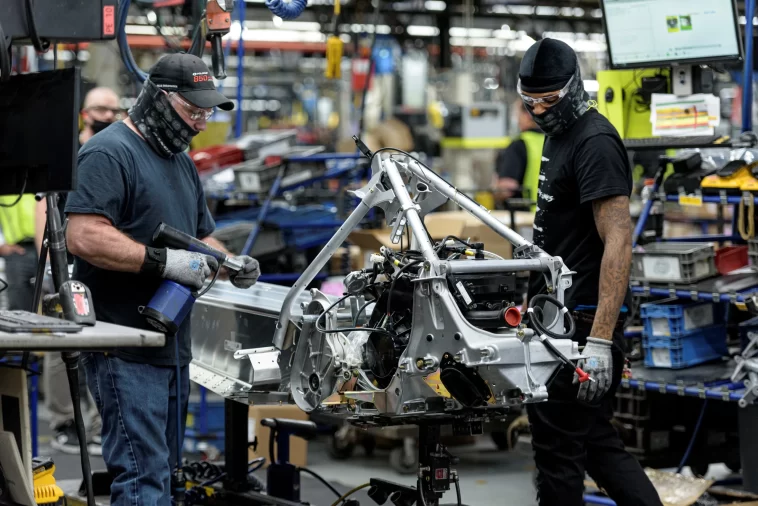
The latest snapshot of American industry is sobering. The New York Empire State Manufacturing Index fell to minus 8.7 in September, a sharp reversal from August’s 11.9 and well below forecasts.
Orders and shipments dropped, inventories thinned, and work hours were cut. Jobs in factories held steady for now, but the numbers point to a sector sliding back into contraction.

This comes against a backdrop of mixed economic signals. National output grew at an annualized 3.3 percent in the second quarter, a strong rebound after a weak start to the year. Yet the recovery looks uneven.
Imports are rising faster than exports, pushing the trade deficit above 100 billion dollars, while consumer sentiment is weakening.
Inflation is another pressure point. Prices in August were up 2.9 percent on the year, with core inflation still above 3 percent.
Tariff-driven costs are feeding through, and in the latest month wages failed to keep up: real hourly pay slipped 0.1 percent in August, even if it is still modestly higher than a year ago.
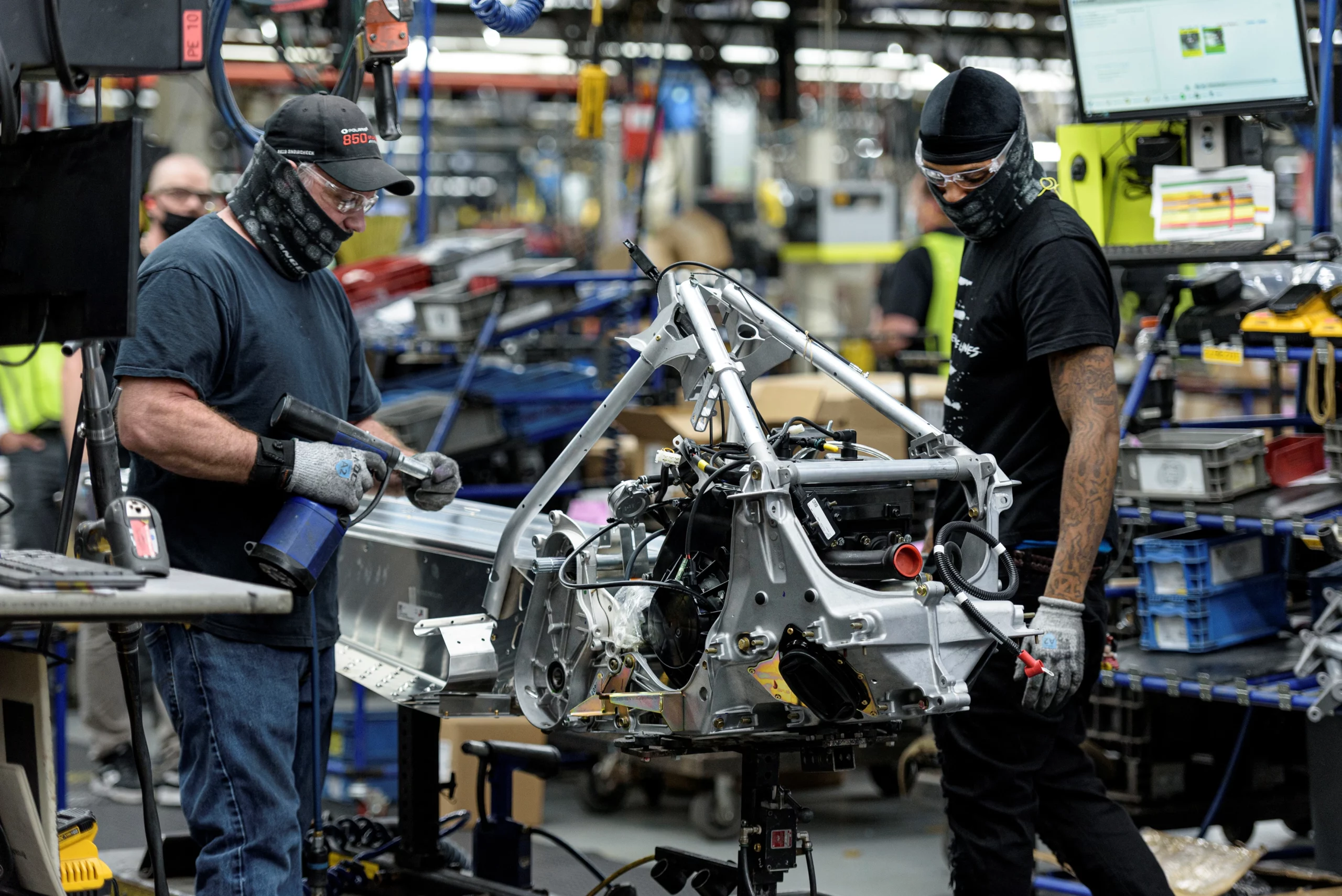 U.S. Factories Contract as Growth Shows Cracks Beneath the Surface
U.S. Factories Contract as Growth Shows Cracks Beneath the Surface
The labor market, once the economy’s strongest pillar, is also softening. August payrolls rose by just 22,000, revisions cut more than 900,000 jobs from the past year’s record, and unemployment has edged up to 4.3 percent.
Weekly jobless claims are now at multi-year highs. Investment in technology and artificial intelligence is booming, but it is not translating into widespread hiring.
On the surface, America is still growing. But underneath, the foundations are shifting. Manufacturing is losing steam, households are feeling squeezed, and the jobs market is less secure than it appears. Inflation is no longer racing ahead, but it is sticky enough to keep pressure on living costs and to limit how far the Federal Reserve can cut interest rates.
For international observers, the lesson is clear: the U.S. economy is not collapsing, but its strength is narrowing. A future built on technology and services may keep growth alive, but without broad wage gains and resilient manufacturing, the recovery risks becoming shallower and more fragile than the headline GDP numbers suggest.




GIPHY App Key not set. Please check settings