
Online dating can help seniors find meaningful connections, but protecting your privacy and finances should always come first. Watch for red flags and never send money to someone you’ve only met online. Pexels
My mother recently moved in with our family, and she was talking to us about her smartwatch having a fall detection feature that would automatically call us if she fell. I was skeptical at first (mostly because I wear a traditional watch), but as it turns out, it is one of the best safety features available on smartwatches today.
Among older adults, falls remain one of the leading causes of injury-related hospital visits. Unfortunately, many seniors aren’t able to call for help when they fall. As a result, they might stay where they’ve landed for an extended period, creating more health issues and increasing the danger of the situation. Luckily, one feature, known as fall detection, can automatically recognize a hard fall and contact emergency services (or set emergency contacts) if the wearer doesn’t respond. Here’s what you need to know about this feature and how it could help you.

How Fall Detection Actually Works
The smartwatch safety feature known as fall detection relies on advanced sensors built into modern wearable devices. Accelerometers and gyroscopes continuously monitor movement patterns and can recognize when a sudden impact resembles a serious fall.
When the watch detects a hard fall, it typically vibrates, sounds an alarm, and displays a message asking whether the wearer is okay. If the person responds, the alert can be dismissed immediately. If there is no response and little or no movement is detected afterward, the watch may automatically contact emergency services and share location information.
One of the biggest advantages of this smartwatch safety feature is that it does not always require the wearer to take action. If the watch determines that a serious fall has occurred and the user remains unresponsive, it can begin an emergency countdown. This makes it so much easier for a senior who might not be able to respond in the moment. And more importantly, it gets help on the way faster.
It’s Not Perfect
While fall detection technology has improved significantly, it is important to understand its limitations. Manufacturers acknowledge that no smartwatch safety feature can detect every fall with perfect accuracy. In some cases, vigorous physical activity, exercise, or sudden movements may trigger a false alert.
Conversely, certain types of falls may not generate enough force to activate the detection system. Seniors should view fall detection as an additional safety tool rather than a complete replacement for common-sense precautions and regular check-ins with family members.
That said, there are several other features that might help you maintain safety on your smartwatch. Emergency SOS features that allow users to call for help by pressing a button. Some models offer location sharing, crash detection, heart-rate monitoring, irregular rhythm notifications, and medication reminders. These capabilities can be particularly valuable for seniors managing chronic health conditions or living alone.
Setting Up the Feature Before You Need It
With all of that in mind, you have to set the feature up for it to be accessible to you. Take the time to review the settings and add emergency contacts. Having things set up can make a huge difference during an emergency.
Family members may want to help older relatives confirm that fall detection is enabled and functioning properly. It is also wise to verify that emergency contact information remains current after major life changes. Preparing in advance ensures that the smartwatch safety feature can work exactly as intended when every second counts.
Technology That Supports Independence
Many seniors worry that safety devices may make them feel less independent. In reality, technologies like fall detection often do the opposite by allowing people to maintain their routines with greater confidence. Whether gardening, shopping, walking the dog, or traveling, wearers know that help may be available even if they cannot reach a phone.
Have you or a loved one ever used a smartwatch with fall detection? Do you think this technology provides real peace of mind for seniors? Share your thoughts in the comments below.
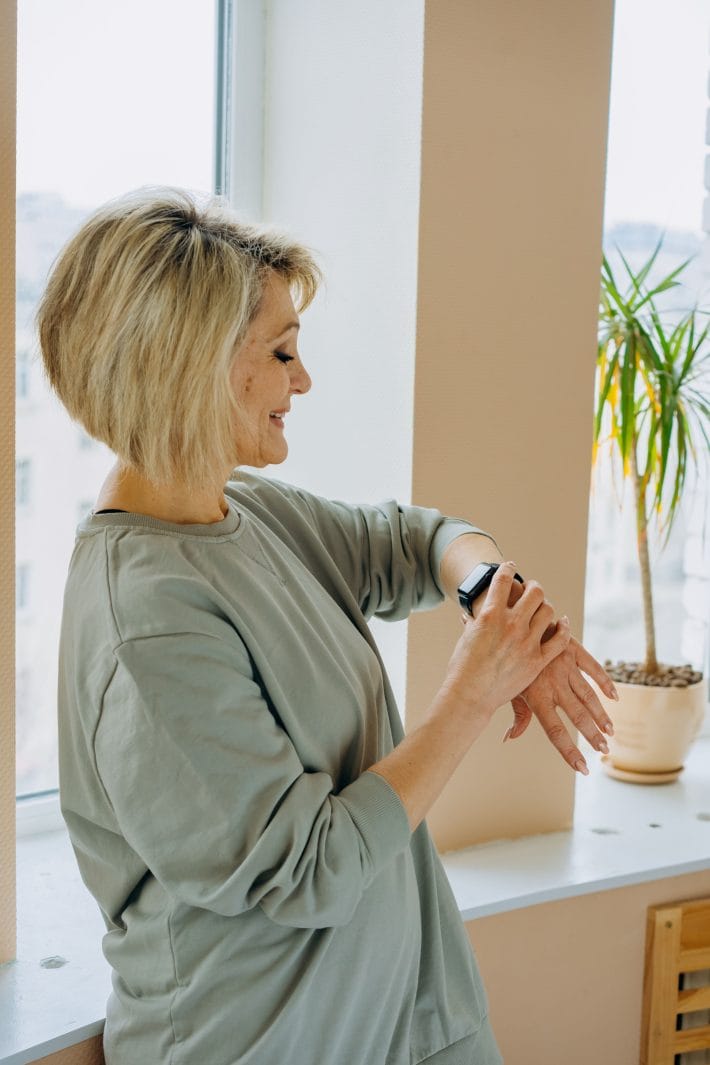
Photo Caption: Fall detection can automatically alert emergency services if a smartwatch wearer suffers a hard fall and cannot respond. For seniors living alone, it may provide an extra layer of protection and peace of mind.
What to Read Next
Beyond the Bathroom: Why Over 40% of Senior Falls Are Linked to Routine Bed-to-Chair Transfers
5 Balance Exercises Every Senior Should Do Today to Help Reduce Fall Risk This Year
Beware Benadryl and Ambien: Older Antihistamines and Sleep Drugs Can Cause Confusion, Falls and Hospital Visits

Drew Blankenship is a seasoned automotive professional with over 20 years of hands-on experience as a Porsche technician. While Drew mostly writes about automotives, he also channels his knowledge into writing about money, technology and relationships. Based in North Carolina, Drew still fuels his passion for motorsport by following Formula 1 and spending weekends under the hood when he can. He lives with his wife and two children, who occasionally remind him to take a break from rebuilding engines.




GIPHY App Key not set. Please check settings